BS EN 12520 Explained: How We Test Every Batch of Dining Chairs Before Shipment
To eliminate the risk of structural failures and expensive warranty claims, professional B2B buyers must partner with manufacturers that rigorously test every dining chair batch against BS EN 12520 and EN 16139 safety and durability standards. Implementing strict dining chair manufacturing quality control through a Qarma digital inspection report ensures structural and chemical compliance, ultimately keeping the HoReCa furniture return rate below 1.5% and securing long-term retail success.
Why is BS EN 12520 Compliance Crucial for European Dining Chair Importers?
For European furniture wholesalers, retail chains, and e-commerce brands, sourcing contemporary dining chairs without systematic quality verification introduces massive commercial liabilities. In the highly regulated European market—spanning Germany, the Netherlands, the UK, Poland, and Switzerland—the burden of product safety falls squarely on the importer of record. Under local consumer protection laws, importing non-compliant furniture that fails structurally during everyday use can lead to expensive product recalls, severe brand damage, and legal penalties.
BS EN 12520 is the European safety standard that specifies the minimum requirements for the strength, durability, and safety of all types of domestic seating for adults. When a retail customer sits on an upholstered dining chair, they expect absolute stability. A single failure in a joint, frame, or fastener can cause sudden collapse, leading to consumer injury. By ensuring every batch complies with BS EN 12520, B2B buyers protect their businesses from high return logistics costs, customer complaints, and the commercial friction that arises from premature product wear. Relying on historic factory samples is not enough; systematic batch-to-batch testing is the only way to guarantee consistency across mass production runs.
What are the Key Differences Between BS EN 12520 and the EN 16139 Commercial Chair Standard?
To build a highly compliant and resilient product portfolio, purchasing managers must distinguish between domestic and commercial usage standards. While BS EN 12520 is designed for domestic residential spaces, public and hospitality environments require a much higher level of durability.
The EN 16139 commercial chair standard specifies requirements for the safety, strength, and durability of non-domestic seating used in high-traffic commercial spaces. This standard is divided into two distinct levels based on the severity of use:
- Level 1 (General Use): Perfect for general public spaces such as cafes, hotel rooms, office reception areas, and restaurants where moderate usage is expected.
- Level 2 (Severe Use): Required for high-traffic environments subject to severe physical impact and continuous loading, such as nightclubs, public transport terminals, and municipal offices.
Using a chair certified only for domestic use (BS EN 12520) in a commercial hospitality project is a primary cause of structural failure, leading to a soaring HoReCa furniture return rate. Sourcing managers must match the product specification to the target market to ensure long-term physical performance.
| Testing Parameters & Criteria | BS EN 12520 (Domestic Standard) | EN 16139 Level 1 (General Commercial) | EN 16139 Level 2 (Severe Commercial) |
|---|---|---|---|
| Target Environment | Residential / Household Use | Cafes, Hotels, Medium-Traffic Offices | Nightclubs, Terminals, High-Traffic Public Areas |
| Usage Intensity | Moderate, sporadic use | Regular, daily commercial use | Extreme, high-frequency continuous use |
| Structural Safety Margin | Standard domestic safety factors | High safety factors for public spaces | Maximum safety factors for extreme impacts |
| Durability Expectation | Optimized for home environments | Engineered for high commercial rotation | Engineered for severe commercial wear and tear |
| Primary Test Focus | Seat and back static strength | Enhanced fatigue resistance & stability | Maximum structural fatigue & joint load resistance |
How is Dining Chair Manufacturing Quality Control Conducted at the Factory Level?
Preventing structural variance during mass production requires a highly structured dining chair manufacturing quality control framework. Quality control is not a post-production checklist; it is an integrated engineering discipline that begins with raw material verification and continues through every phase of the manufacturing process.
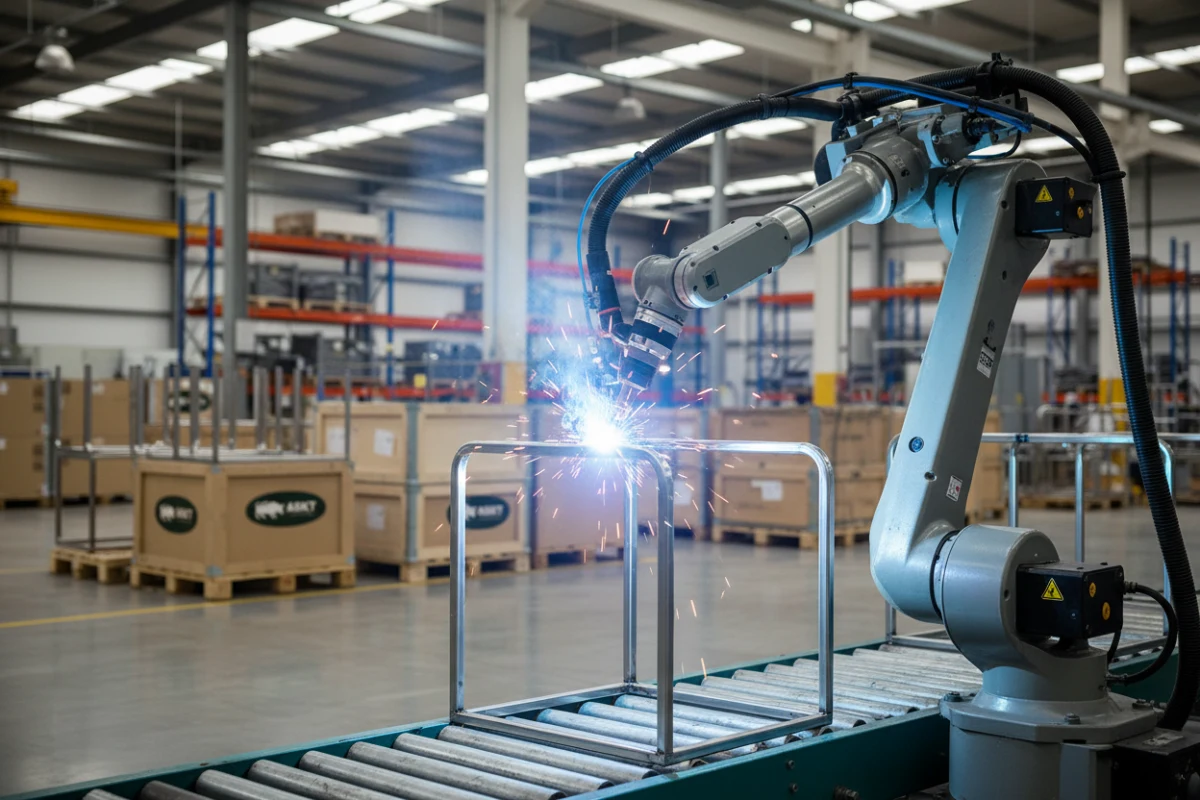
For metal-framed contemporary chairs, consistency is achieved by utilizing precise manufacturing equipment. Automated welding machinery ensures that all structural steel tubing joints receive uniform heat and penetration, completely eliminating the inconsistencies of manual welding. For wooden frames and inner panels, automated punching and cutting machines ensure that structural components match the original engineering specifications perfectly. This consistency prevents slight misalignments that can cause stress concentration during daily use.
Furthermore, joint durability depends heavily on fastener integration. Automated nailing and tightening systems insert load-bearing bolts and screws at precise torque levels, preventing thread stripping or joint loosening over time. This rigorous attention to mechanical detail ensures that every mass-produced chair can withstand thousands of cycles of shifting weight, keeping structural defects to an absolute minimum before the goods ever leave the factory floor.
What Fabric Performance and Safety Tests Minimize Dining Chair Product Returns?
Upholstery performance is a critical factor in determining the actual lifespan of a dining chair. When evaluating dining chairs for the European market, professional buyers must look past surface aesthetics and verify that the fabrics are engineered to withstand both physical wear and chemical regulations.
Physical and performance evaluations must be performed on every production batch of functional fabrics:
- Abrasion Resistance Testing: Evaluates the fabric’s durability under repeated friction, ensuring the material does not thin, pill, or tear after years of daily seating cycles.
- Colour Fastness Testing: Measures fabric resistance to dye transfer under wet and dry conditions, as well as fading caused by UV light exposure near large dining room windows.
- Breathability & Comfort: Ensures proper air circulation through the polyurethane (PU) or woven textile layers, preventing heat and moisture build-up for the user.
- Waterproof & Easy-Clean Features: Crucial for both busy family households and high-traffic HoReCa environments where accidental liquid spills are common, allowing liquids to bead on the surface for easy maintenance.
- Pet-Friendly Durability: High-density weaving that resists snagging and scratching from claws, preserving the premium look and feel of the upholstery.
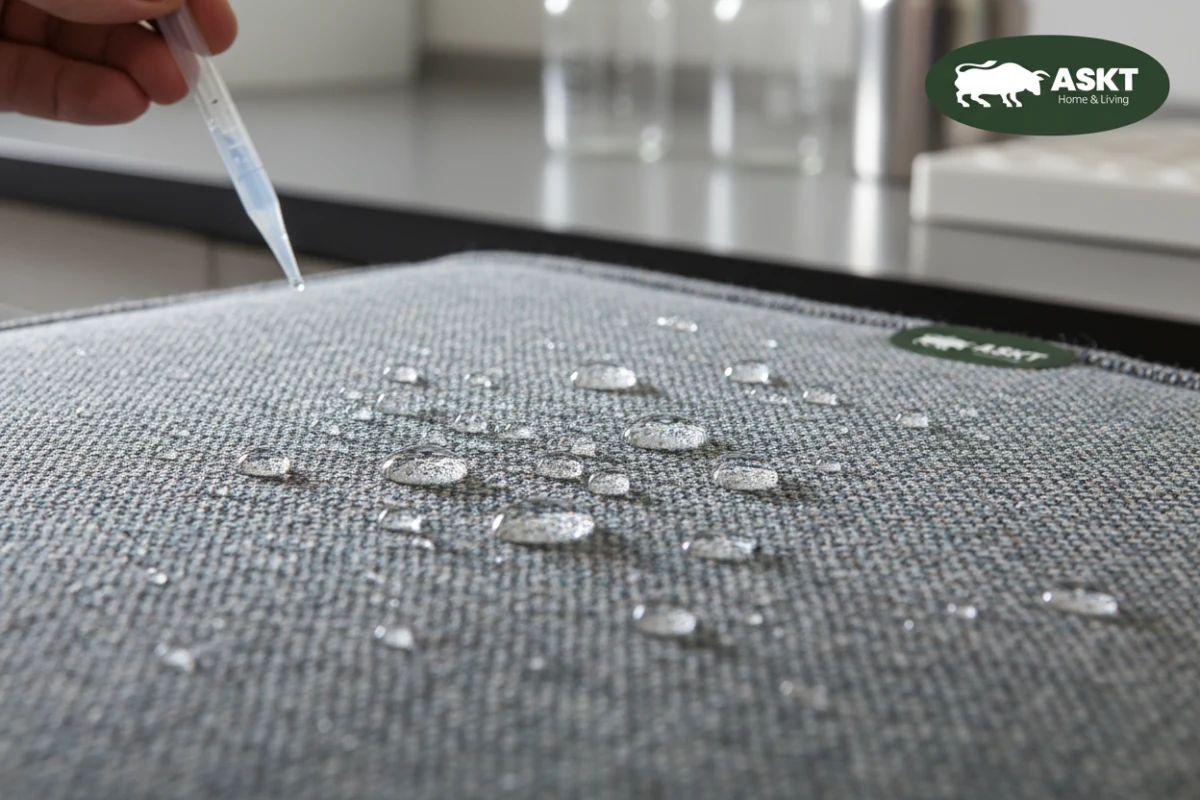
By ensuring that upholstery fabrics undergo these systematic wear and performance tests, B2B procurement teams can significantly reduce retail complaints, preserve customer satisfaction, and lower overall product replacement costs across their distribution networks.
How Does a Qarma Digital Inspection Report Help Lower the HoReCa Furniture Return Rate?
Traditional quality inspections often rely on manual, paper-based checklists that are vulnerable to data gaps, human error, and delayed reporting. To establish complete transparency in the supply chain, modern manufacturers utilize digital quality tracking platforms.
A pre-shipment Qarma digital inspection report offers an integrated, cloud-based workflow for evaluating product quality. Inspectors perform systematic audits covering physical dimensions, functional mechanics, structural stability, alignment, and packaging strength. Every test, measurement, and visual check is documented in real-time with high-resolution photos and immediate data uploads directly to the cloud platform.
This digital verification system yields significant business benefits:
- Complete Transparency: Category managers and purchasing directors receive a detailed digital report showing the exact condition of their order before it leaves the factory floor.
- Standardised Inspection Protocols: The digital workflow ensures that every batch is checked against the same structural and aesthetic criteria, removing inspector bias.
- Pre-Shipment Risk Mitigation: If any defect is identified, the batch is held for correction, completely avoiding the risk of importing sub-standard inventory into Europe.
By leveraging this real-time quality control protocol, B2B buyers can prevent defective batches from entering their distribution pipelines. This integrated quality management strategy is the direct reason why professional importers can achieve and maintain a HoReCa furniture return rate of less than 1.5% across both commercial and residential projects.
Sourcing Checklist: How to Verify Your Dining Chair Supplier's Quality Control and Testing Capabilities?
When auditing a potential manufacturing partner for the European market, B2B sourcing managers should use this comprehensive checklist to evaluate their actual testing and compliance capabilities:
- Request Valid Testing Documentation: Demand official, third-party test reports for BS EN 12520 and the EN 16139 commercial chair standard. Verify that the reports correspond to the exact models you are sourcing and have been completed by accredited, independent laboratories.
- Audit On-Site Testing Equipment: Confirm that the factory operates physical testing machines on-site, such as pneumatic mechanical force testers, back fatigue testing rigs, and structural stability equipment.
- Check Digital Inspection Tools: Ask if the manufacturer uses a modern digital quality platform like the Qarma digital inspection report to provide transparent, real-time quality reviews for every production batch.
- Evaluate Packaging and Shipping Standards: Verify that the supplier performs packaging drop tests and container loading optimizations to protect the dining chairs against moisture, shifting, and impact during ocean transport.

Frequently Asked Questions
Why is the EN 16139 commercial chair standard required for contract projects instead of BS EN 12520?
BS EN 12520 is strictly a domestic seating standard designed for household environments where usage is sporadic and loads are moderate. The EN 16139 commercial chair standard is specifically designed for non-domestic, high-traffic commercial environments like restaurants, hotels, and offices. It subjects the chair’s frame, joints, and swivel mechanisms to significantly higher static loads and severe fatigue cycles to ensure safety and prevent structural failure in public spaces.
How does a manufacturer ensure dining chair frame stability across different batches?
Stable batch-to-batch consistency is achieved by using automated manufacturing machinery. Robotic welding for steel frames ensures uniform penetration and high shear strength, while automated cutting and punching machinery ensures consistent dimensions for all wooden parts. This eliminates the structural variations and weak points associated with manual production.
Why is a pre-shipment Qarma digital inspection report important for international buyers?
A Qarma digital inspection report provides complete, real-time transparency into the quality of a production batch before it is loaded into the container. It captures visual and physical test results, allowing category managers to review actual product quality and correct any minor defects at the factory, thereby avoiding high reverse-logistics costs and returns in Europe.
Secure Your Supply Chain with Certified Structural Excellence
For European furniture wholesalers, retail chains, and project purchasers, long-term market success depends entirely on product consistency and supply chain reliability. By choosing manufacturing partners that enforce a strict "Test first, ship second" philosophy and utilize advanced quality control systems, B2B buyers can protect their brand equity and maintain high customer satisfaction.
If you are evaluating dining chair or dining table suppliers for the European market, ASKT can support you with professional product development, customization, quality testing, and stable export experience. Contact our team today to review our compliance documentation, explore our modular design solutions, or request a detailed dining chair manufacturing quality control audit for your next production batch.