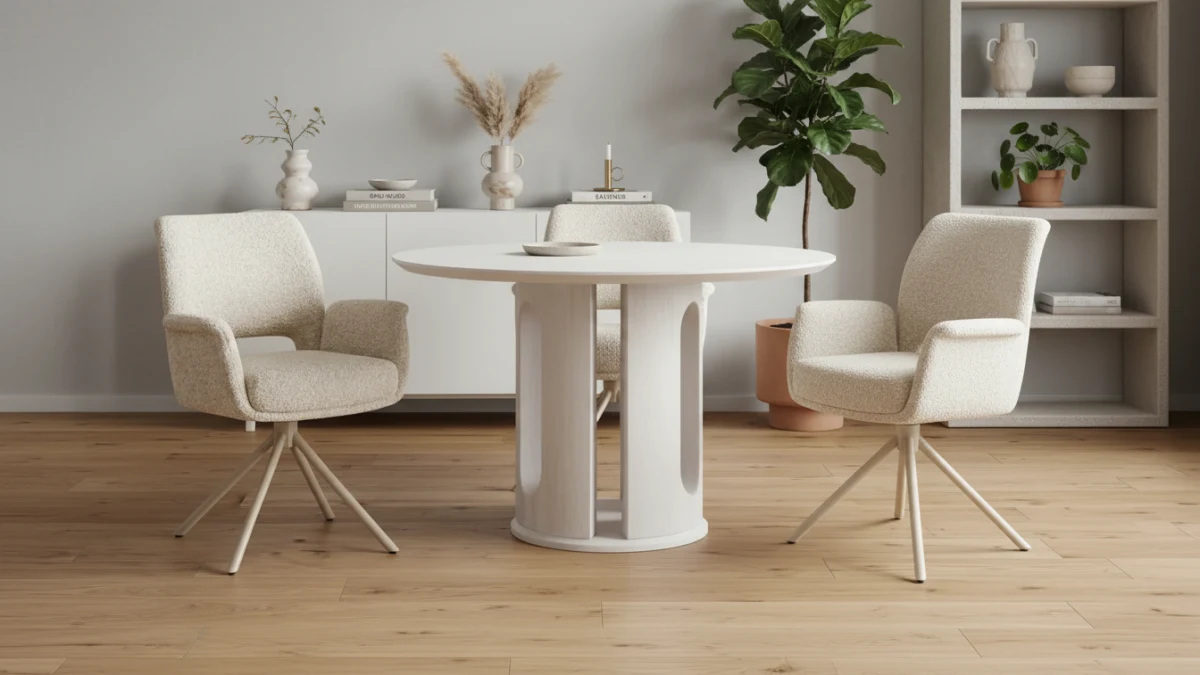
BS EN 12520 Explained: Why Every Batch of Dining Chairs Should Be Tested Before Shipment
BS EN 12520 is the official European safety, strength, and durability standard for domestic adult seating. For professional B2B buyers, conducting systematic furniture batch testing before shipment is essential to prevent structural failures, eliminate high return rates, and achieve full European furniture safety compliance. Relying on past prototype certificates is not enough; only physical batch-by-batch testing can guarantee that mass-produced dining chairs consistently match the structural integrity of the certified prototype before they leave the factory floor.
What Is the BS EN 12520 Standard for Dining Chairs?
For B2B furniture importers, wholesalers, and retail chains serving European markets like Germany, the Netherlands, and the UK, navigating product safety standards is a critical aspect of supply chain management. The primary regulatory benchmark for domestic seating is the BS EN 12520 standard. This European norm specifies the minimum requirements for the safety, strength, and durability of all types of domestic adult seating, regardless of the materials, design, or manufacturing techniques used.
The fundamental objective of BS EN 12520 is to simulate the physical forces and wear that a dining chair undergoes during typical daily household use. By subjecting chairs to standardized stress levels, the norm ensures that the product remains completely safe under normal conditions and predictable misuse. The scope of this standard is comprehensive, addressing not only the physical strength of the frame but also basic safety design principles. It requires manufacturers to eliminate sharp edges, avoid open metal tubes, and ensure there are no pinch points, shear joints, or squeeze zones where fingers could accidentally become trapped during use.
For B2B buyers, achieving European furniture safety compliance is not just about fulfilling regulatory mandates; it is a vital commercial strategy. A single structural failure in a retail showroom or a customer's dining room can lead to severe financial consequences, high return rates, product recalls, and a permanent loss of trust with major purchasing groups. Understanding the mechanical demands of this standard is the first step toward building a highly resilient, low-risk furniture supply chain.
What Core Physical Tests Underpin BS EN 12520 Dining Chair Testing?
The evaluation process for BS EN 12520 dining chair testing is highly structured, dividing the physical demands on a chair into three primary categories: safety, stability, and durability. Specialized pneumatic and mechanical laboratory equipment is used to apply controlled forces to different parts of the chair, simulating years of wear in a short period of time.
B2B buyers should be familiar with the core mechanical tests that define this standard:
- Static Load Testing: This procedure applies high vertical and horizontal forces to the seat and backrest to verify that the main structural joints do not collapse under sudden, heavy weight. It tests the ultimate strength limits of the frame, legs, and joint connections to prevent catastrophic failures.
- Durability and Fatigue Testing: Rather than testing maximum weight capacity, durability tests focus on long-term fatigue. Mechanical arms repeatedly apply physical pressure to the seat cushion and backrest over tens of thousands of cycles. This process simulates a user repeatedly sitting down, leaning back, and shifting weight, putting significant stress on the joints of upholstered dining chairs and metal-frame structures.
- Stability Testing: To prevent tipping risks, stability tests apply vertical and horizontal forces to determine the tipping threshold of the chair in multiple directions, including forward, backward, and sideways. This is particularly vital for contemporary swivel and auto-return dining chairs, where balance and base geometry must remain perfectly consistent across the production run.
- Drop and Impact Testing: This test simulates the impact of a chair falling over or being dropped during handling. A specified weight is dropped onto the seat shell to verify that the materials do not shatter, splinter, or suffer sudden structural cracking under impact.
Why Is a Prototype Lab Certificate Insufficient for Large-Scale Production?
A common trap for B2B furniture importers is relying on a single laboratory certificate obtained during the sample development phase. This is one of the most critical sourcing risks in global procurement. A prototype certificate merely proves that a manufacturer was capable of producing a single, hand-crafted "golden sample" that met regulatory requirements under laboratory conditions.
In high-volume mass production, several natural manufacturing variances occur that can compromise the structural safety of the finished batch:
- Material Consistency: The specifications of raw materials can vary between production runs. A minor reduction in the wall thickness of metal tubing, or a lower density in the engineered wood used for seat shells, can significantly weaken the chair's structural load capacity.
- Welding and Joinery Deviations: In manual welding processes, joint strength depends heavily on operator consistency. Variations in weld penetration can create microscopic weak points that fail under fatigue testing, even if the exterior appearance looks flawless.
- Upholstery and Frame Assembly: Variations in high-density foam padding, fabric tension, or fastener torque can alter how forces are distributed across the chair frame, placing unexpected mechanical stress on key structural joints.
Relying on a static certificate from a previous production year represents a severe gap in quality management. Implementing systematic furniture batch testing before shipment is the only proactive method to bridge this gap, ensuring that the actual cargo leaving the port matches the quality of the certified prototype. Achieving true B2B furniture sourcing risk reduction requires viewing quality control as an active, ongoing process rather than a static piece of paper.
Why Should Every Batch of Dining Chairs Be Tested Before Shipment?
To mitigate the financial risks of international furniture sourcing, pre-shipment testing must be integrated directly into your supply chain workflow. Once a shipping container departs a Chinese port, correcting any manufacturing defects becomes exceptionally difficult and costly.
Implementing dining chair quality control China workflows offers clear business advantages:
1. Preventing the Shipment of Non-Compliant Stock
Discovering structural defects, such as weak frame joints or unstable bases, after the shipment arrives at a European warehouse is a logistics disaster. Importers face substantial costs for return shipping, local disposal, import duties, and warehouse storage. Pre-shipment batch testing ensures defects are identified and corrected at the factory floor before loading.
2. Verifying Material and Fabric Specifications
Upholstered dining chairs combine multiple materials. Batch testing verifies that the fabric used in production matches specified performance levels, including abrasion resistance, colour fastness, waterproof, and easy-clean properties. It also ensures that all components, from high-density foam to metal frame legs, perform consistently under stress.
3. Mitigating Corporate and Legal Liabilities
Importers of record in Europe bear full legal responsibility for product safety. If a consumer is injured by a collapsed chair and the importer cannot provide documented proof of systematic quality control, the company faces severe regulatory fines, lawsuits, and costly product recalls. Pre-shipment testing provides the necessary evidence that due diligence was performed.
How Does Systematic Batch Testing Compare to Basic Visual Quality Control?
Many sourcing companies rely on standard third-party inspection services that only perform visual audits. While helpful for checking aesthetics, dimensions, and packaging, a visual inspection cannot evaluate structural integrity or fatigue resistance.
The comparison below highlights the differences between these two inspection paradigms:
| Quality Control Element | Basic Visual Inspection | Systematic BS EN 12520 Batch Testing | Business Value for B2B Sourcing |
|---|---|---|---|
| Structural Load Capacity | Checked by sitting on the chair once or twice. | Systematic mechanical load testing on the frame and joints. | Eliminates the risk of catastrophic collapses under heavy weights. |
| Long-Term Durability | Assumed compliant based on visual assembly checks. | Repetitive mechanical pressure cycles applied to the seat and back. | Ensures joints do not loosen, wobble, or squeak after minor use. |
| Metal Frame Weld Quality | Visual check of weld bead neatness. | Physical stress tests applied to welded joints. | Detects brittle or incomplete welds before the chairs are packaged. |
| Upholstery Fabric Durability | Visual comparison against a color swatch. | Verification of abrasion resistance, colour fastness, and performance. | Guarantees fabric durability, preventing premature wear and client complaints. |
| Compliance Documentation | Basic checklist with photos of outer appearance. | Technical testing reports showing actual structural test results. | Provides an unassailable audit trail for European retail buyers and regulators. |
This comparison shows that systematic BS EN 12520 dining chair testing is not an unnecessary administrative step; it is a vital safeguard that protects your brand's financial health.
How Does ASKT Implement the "Test First, Ship Second" Protocol?
As a professional B2B dining furniture manufacturer and supply chain partner, ASKT is dedicated to helping European wholesalers, retail chains, and contract buyers build resilient businesses. We understand that our clients require absolute consistency, logistics efficiency, and compliance. To meet these expectations, we have built our manufacturing operations around a strict "Test First, Ship Second" quality control philosophy.
With over 20 years of experience exporting to demanding European markets like Germany, the Netherlands, and Ireland, we have integrated advanced manufacturing and testing workflows directly into our facility:
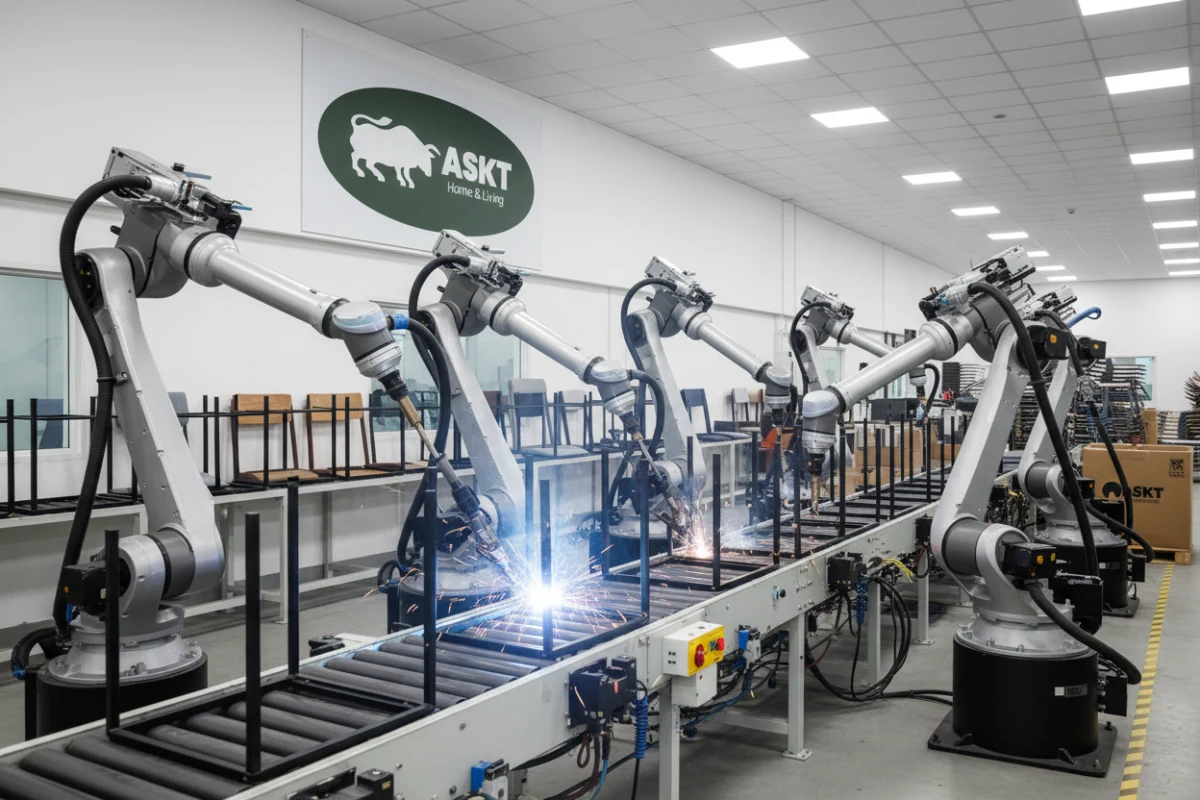
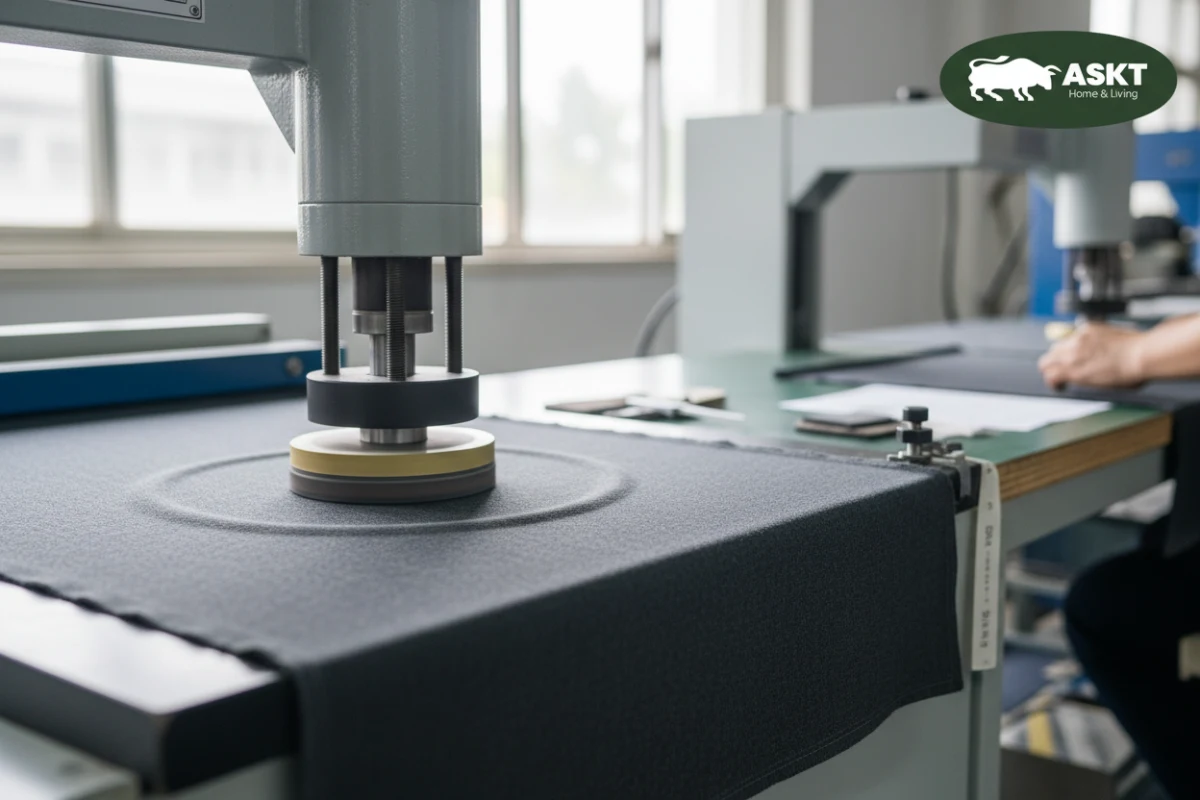
- Consistent Manufacturing Standards: To minimize human error, we utilize automated technology, including robotic welding for metal frames, high-precision cutting machines for fabrics, and automated drilling equipment. This automation guarantees that structural metal-frame joints are welded with high precision, ensuring they can easily pass durability testing.
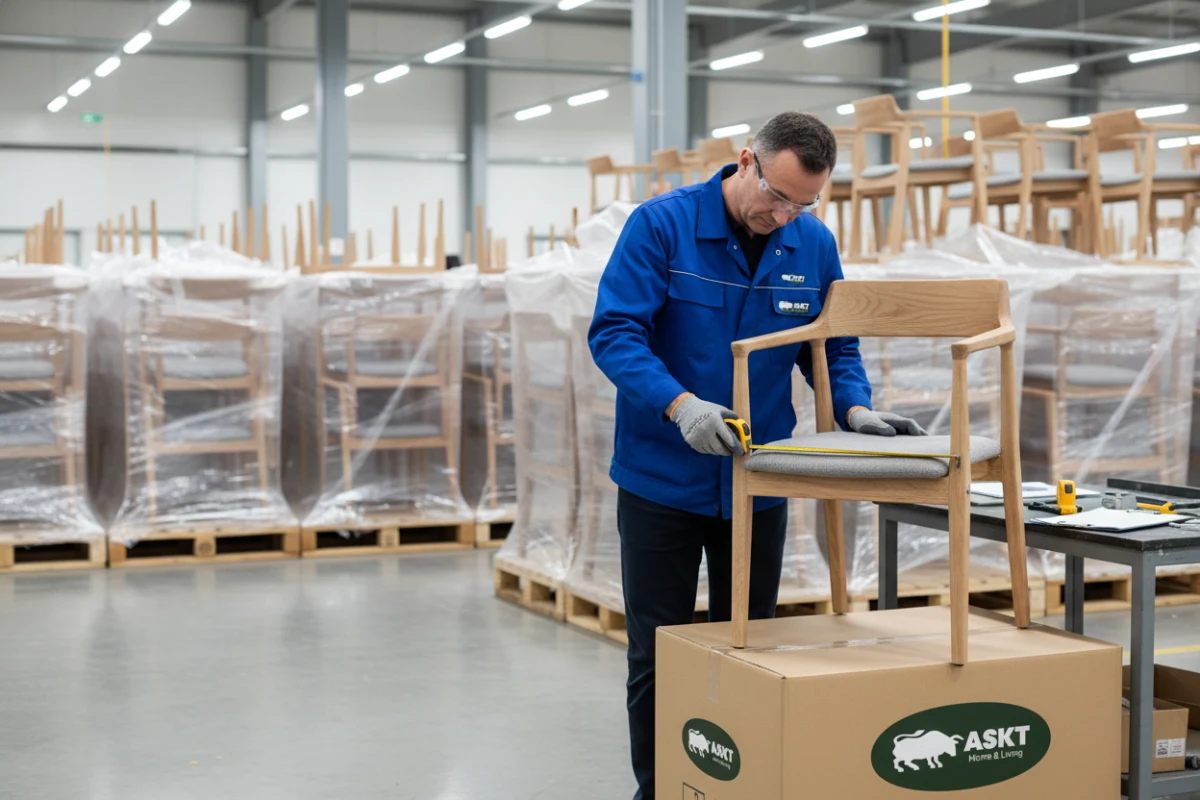
- On-Site Physical Testing Laboratory: We do not outsource our primary quality checks. Our factory features a fully equipped on-site laboratory where we perform physical safety, stability, and durability tests. Before any batch is approved for container loading, random samples are drawn directly from the production line and subjected to static load and impact tests matching BS EN 12520 standards.
- Comprehensive Material Verification: Our quality control begins with incoming raw materials. We verify the wall thickness of metal tubing, the density of engineered wood boards, and the quality of oak veneers. For upholstered dining chairs, we perform systematic tests on fabric performance, checking abrasion resistance, colour fastness, and easy-clean properties before assembly begins.
- Safe and Ethical Production Workflows: We prioritize the safety of our workforce and the environmental standards of our products. Our factory floor is clean and highly regulated, with assembly operators utilizing appropriate protective gear and safety equipment during manufacturing. All adhesive materials used in our upholstered seating are carefully selected to meet strict European indoor air quality standards, protecting both our workers and your end consumers.
By controlling every variable from raw material verification to final pre-shipment stress testing, ASKT ensures that every container leaving our facility is filled with fully compliant, structurally sound dining chairs. This rigorous commitment to manufacturing transparency and quality control is what makes ASKT a trusted partner for leading European furniture distributors.
If you are evaluating dining chair or dining table manufacturers for the European market and want to secure a highly resilient, compliant supply chain, let us support your business. Discover our transparent, automated testing workflows and learn how we guarantee European furniture safety compliance on every batch before it leaves our factory floor.