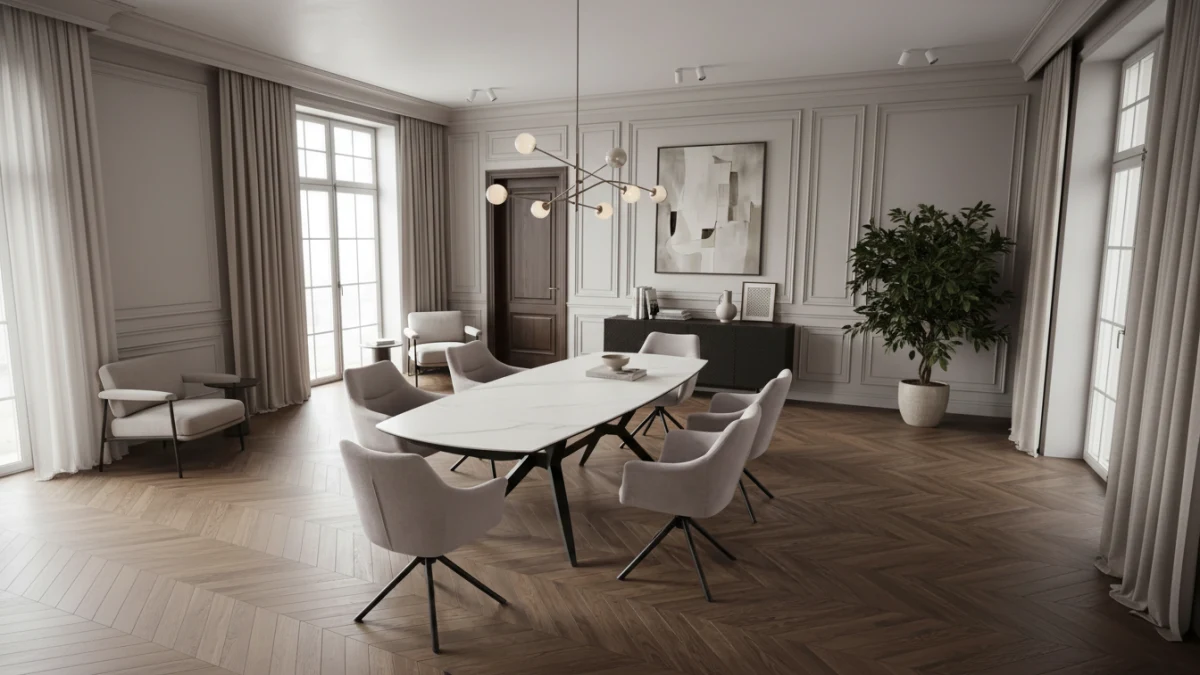
Ceramic Dining Tables vs Sintered Stone Tables: B2B Sourcing Guide
For professional buyers, importers, and retail chains active in the B2B furniture wholesale European market, selecting the right tabletop material represents a major commercial decision. In contemporary indoor furniture design, high-durability surfaces that mimic natural stone are in high demand across Germany, the Netherlands, the UK, and other key European countries. However, purchasing managers and product development teams often face a critical dilemma when assessing product specifications: the comparison between Ceramic Dining Tables vs Sintered Stone Tables.
While both materials present a sleek, modern aesthetic that appeals to design-conscious European consumers, their raw material composition, structural integrity, and long-term durability differ significantly. When sourcing dining tables from China in high volumes, selecting the wrong surface can lead to elevated claim rates, shipping damage, and dissatisfied retail partners. Understanding the practical differences between Ceramic Dining Tables vs Sintered Stone Tables is essential for reducing supply chain risks and maintaining stable commercial margins.
Analyzing Raw Materials: Ceramic Dining Tables vs Sintered Stone Tables
To make an informed purchasing decision, it is necessary to examine how these materials are manufactured. The comparison between a porcelain vs sintered stone dining table starts with the raw mineral blend and the heat and pressure applied during production. To understand porcelain vs sintered stone dining table differences, we must look at Ceramic Dining Tables vs Sintered Stone Tables through their manufacturing processes.
Traditional ceramic surfaces are typically manufactured from clays, silica, and natural minerals that are mixed, pressed into molds, and fired in kilns. These tables generally feature a glazed decorative layer printed on top of a basic clay substrate. This means the aesthetic pattern is only skin-deep; if the surface is chipped, the underlying clay layer of a contrasting color becomes visible, affecting the product’s visual appeal.
Sintered stone represents an advanced development in material engineering. It is produced by combining highly refined natural minerals, including quartz, feldspar, and silica, which are subjected to extreme pressure and fired at temperatures typically exceeding 1,200°C. This sintering process vitrifies the minerals throughout the entire slab, creating a dense, non-porous material with a consistent full-body composition. When evaluating Ceramic Dining Tables vs Sintered Stone Tables, this structural uniformity is a major differentiator, ensuring the slab performs consistently from the surface through to the core.
Structural Performance of Ceramic Dining Tables vs Sintered Stone Tables
For B2B buyers serving demanding markets like Germany and Switzerland, product durability directly impacts the rate of customer returns. When comparing Ceramic Dining Tables vs Sintered Stone Tables, the difference in density and structural hardness is highly relevant to daily residential use.
Sintered stone features exceptional surface hardness, making it highly scratch-resistant under normal household conditions. Metal cutlery, keys, and laptop bases can interact with the surface without leaving permanent marks. In contrast, traditional glazed ceramic surfaces, while still offering decent resistance compared to natural wood, can experience minor scratches on their glazed topcoat over time, particularly under heavy, daily use.
Porosity and stain resistance represent another critical performance area:
- Sintered Stone: Possesses an extremely low water absorption rate, making it virtually non-porous. Liquids such as red wine, coffee, and acidic oils cannot penetrate the surface, preventing permanent staining and eliminating the need for chemical sealants.
- Glazed Ceramic: While highly water-resistant, traditional ceramic can sometimes exhibit micro-fissures in the glaze under thermal stress, which can lead to gradual staining in busy household settings.
In terms of thermal resistance, sintered stone can withstand direct contact with hot pots and warm dishes without cracking or undergoing thermal shock. Traditional ceramics also tolerate heat well, but the differences in thermal expansion between the top glaze and the base clay body can occasionally cause localized stress fractures over long-term use. For a sintered stone dining table manufacturer supplying the B2B furniture wholesale European market, offering a surface that withstands daily thermal and physical wear is a key selling point that minimizes warranty claims.
The comparison between Ceramic Dining Tables vs Sintered Stone Tables in physical durability is a key driver for purchasing managers who need to guarantee long-term performance and structural compliance (such as EN testing standards for strength and stability) to their commercial clients.
Processing and Construction of Ceramic Dining Tables vs Sintered Stone Tables
When sourcing dining tables from China, understanding the engineering behind the tabletop construction is just as important as the raw material. Tabletop designs are generally categorized into solid slabs and laminated composite structures, both of which affect the cost and shipping weight of Ceramic Dining Tables vs Sintered Stone Tables.
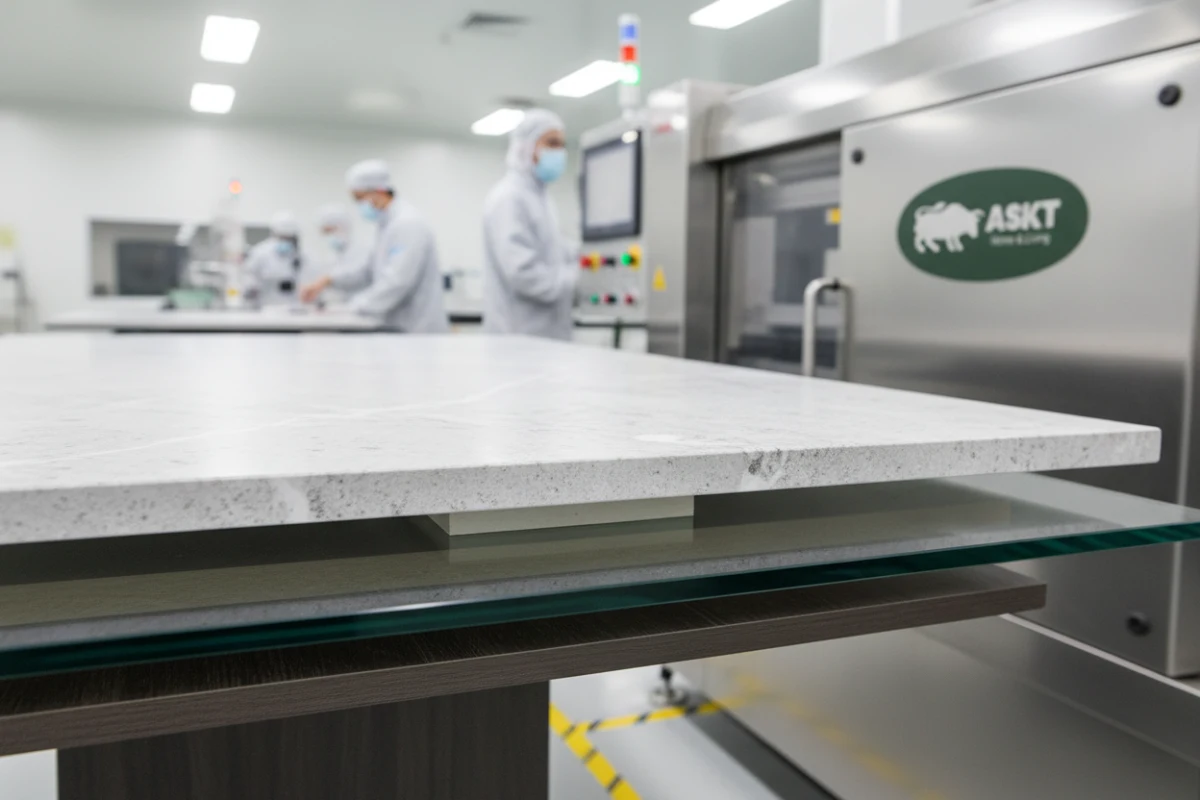
Solid stone slabs (typically 12mm thick) offer high strength and a premium feel, but they are heavy, increasing logistics costs and making home assembly difficult for end consumers. To address this, professional manufacturers often design composite tabletops by laminating a thinner layer of stone (such as 3mm or 6mm) onto a tempered glass backing (typically 6mm to 10mm) using high-strength adhesives.
This layered construction offers clear advantages for B2B buyers:
- Weight Reduction: Combining thin sintered stone with a tempered glass backing significantly reduces the total weight compared to a solid 12mm slab, optimizing container loading and reducing domestic shipping costs.
- Impact Absorption: The underlying glass backing acts as a shock-absorbing layer, distributing impact energy and protecting the top stone surface from cracking under sudden impacts.
- Cost Optimization: Using less raw stone material lowers production costs, allowing wholesalers to offer competitive mid-market pricing while maintaining a premium stone aesthetic.
To ensure long-term durability, the lamination process must be flawless. Poor adhesive application can lead to delamination under humid or high-temperature conditions. Professional manufacturers utilize climate-controlled, dust-free lamination processes and high-grade bonding agents to ensure the stone and glass layers remain securely bonded.
Supply Chain Logistics: Packaging Optimization and Transit Protection
When sourcing dining tables from China, the transit phase represents a critical point in the supply chain. Large-format stone tops are vulnerable to damage from torsional stress and edge impacts during sea freight and domestic transport. When shipping Ceramic Dining Tables vs Sintered Stone Tables, the packaging strategy must account for these mechanical realities.
To prevent damage during transit, professional manufacturers utilize customized packaging protection designed for international distribution:
- Edge and Corner Protection: High-density foam corner guards and thick edge protectors shield the most vulnerable areas of the tabletop from side impacts.
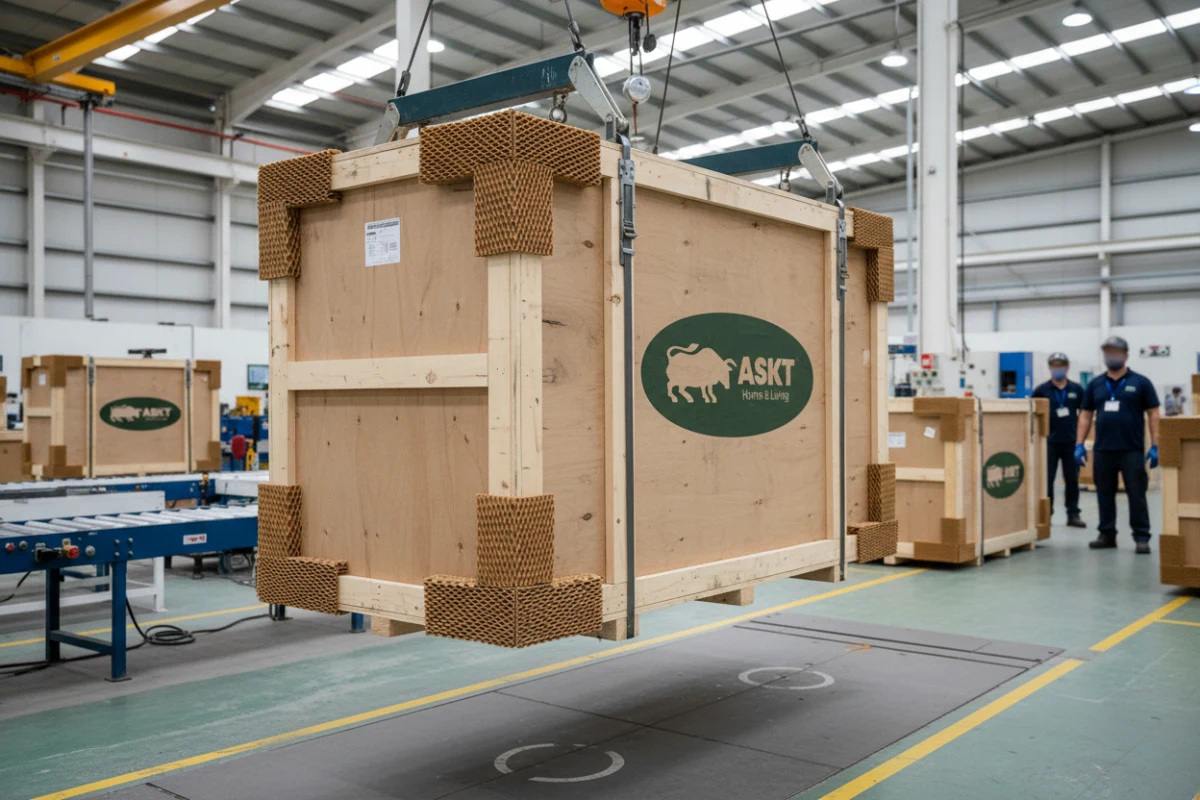
- Sustainable Materials: Using heavy-duty honeycomb cardboard instead of standard plastic foams provides excellent shock absorption while complying with European eco-design preferences and waste reduction goals.
- Reinforced Crating: Tabletops are packed in heavy-duty cardboard boxes and secured within robust, compliant wooden crates or A-frame packaging to prevent bending and shifting during container loading and sea transit.
Proper container loading is equally critical. Slabs must be packed flat with calibrated spacer blocks or loaded vertically on secure frames to prevent localized pressure. Working with a supplier who understands transit protection and conducts rigorous drop tests ensures that bulk shipments arrive at European warehouses in perfect condition, protecting the importer's operating margins.
Commercial Value: Ceramic Dining Tables vs Sintered Stone Tables
To help product managers align their inventory with retail demands, the section below outlines the core differences between Ceramic Dining Tables vs Sintered Stone Tables:
| Performance Metric | Traditional Ceramic Dining Table | Sintered Stone Dining Table | B2B Sourcing Implication |
|---|---|---|---|
| Raw Material Cost | Moderate | Higher Investment | Sintered stone requires a higher initial outlay but supports premium retail pricing. |
| Surface Pattern | Glazed topcoat only | Full-body vitrified composition | Sintered stone allows for exposed, polished edges without requiring edge banding. |
| Impact & Scratch Resistance | Moderate | High | Sintered stone reduces customer claims and retail return rates. |
| Transit Durability | Moderate (more brittle) | High (denser structure) | Lower risk of edge chipping during long-distance shipping and parcel delivery. |
| Market Positioning | Entry to Mid-Market | Mid-to-High and Premium | Sintered stone allows wholesalers to target premium retail channels and design-led buyers. |
While traditional ceramic tables may offer lower initial production costs, the higher density and structural reliability of sintered stone make it a highly cost-effective choice when factoring in the long-term cost of transit claims and customer returns for Ceramic Dining Tables vs Sintered Stone Tables.
For B2B furniture wholesale European market distributors, choosing between Ceramic Dining Tables vs Sintered Stone Tables involves balancing upfront purchasing budgets with the lifetime claims rate of the product lines. For e-commerce brands where home delivery is managed by third-party logistics, the structural strength of sintered stone is particularly valuable in reducing transit damage.
Sourcing Checklist: Evaluating China-Based Dining Table Manufacturers
For European wholesalers and importers, importing Ceramic Dining Tables vs Sintered Stone Tables requires careful evaluation of their production and quality control capabilities. Use the following sourcing checklist to assess potential supply partners and select a reliable sintered stone dining table manufacturer in China:
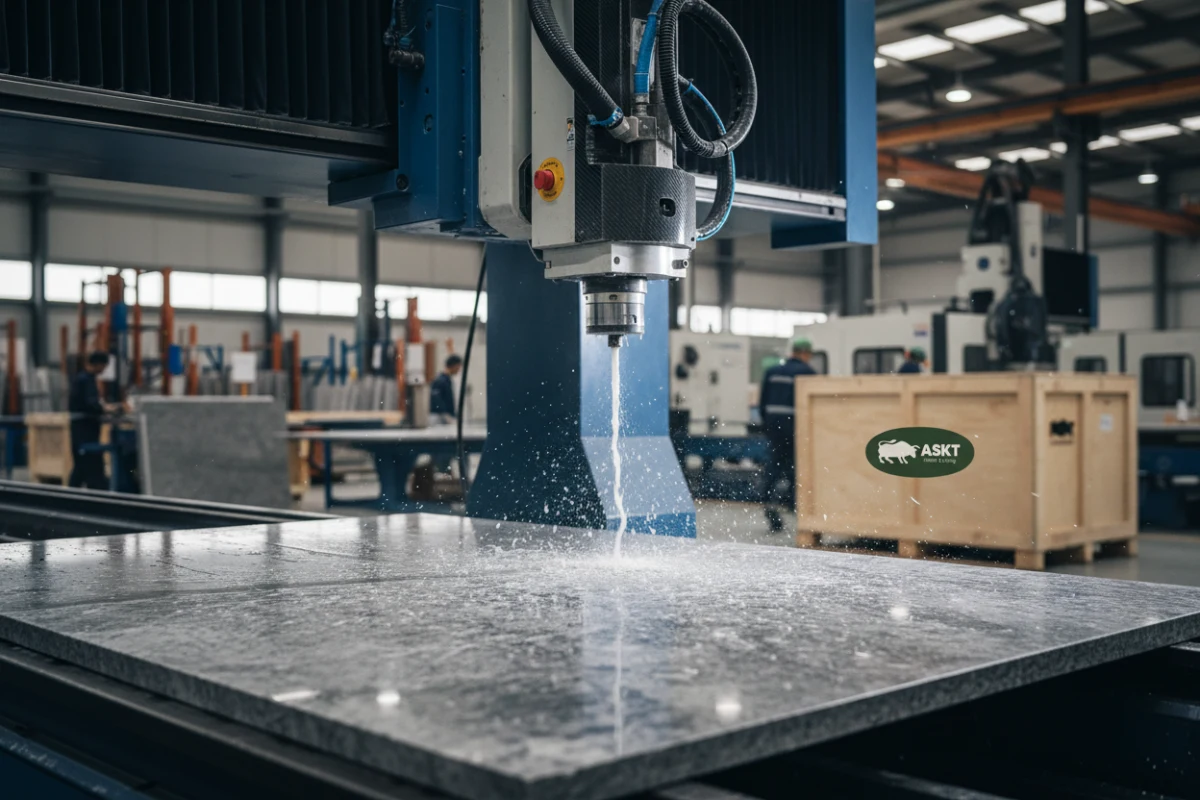
- Processing Machinery: Verify if the manufacturer uses modern multi-axis CNC machines and automated edge polishing equipment. Clean cuts and smooth, radiused edges are essential for preventing micro-fractures along the edges of the stone slab.
- Testing Protocols: Ensure the supplier conducts regular quality testing, including load-bearing tests for metal frames, powder coating adhesion tests, and lamination strength evaluations to verify the bond between the stone and glass layers.
- Compliance and Certifications: The manufacturer should hold active social compliance audits, such as BSCI, and utilize environmentally friendly, low-emission adhesives in their lamination processes to meet European market standards.
- Container Loading Expertise: Confirm that the factory has clear protocols for container loading optimization, utilizing reinforced packaging and secure blocking to prevent movement during sea transport of Ceramic Dining Tables vs Sintered Stone Tables.
By focusing on these structural, logistical, and quality control factors, B2B buyers can develop a durable, high-quality dining furniture collection that meets the expectations of European consumers.
Partnering for Long-Term Commercial Success
At ASKT, we leverage over 20 years of furniture manufacturing experience to help European B2B buyers manage supply chain risks and import high-quality contemporary indoor furniture. Specialized in dining chairs, bar stools, and dining tables, our China-based manufacturing facility supports furniture wholesalers, retailers, and e-commerce brands with reliable production, transparent quality control, and optimized packaging. Whether you are developing custom OEM designs, selecting tailored powder-coated finishes, or sourcing durable laminated tables, we focus on delivering consistent products that perform reliably in the competitive European market and help you master the choice between Ceramic Dining Tables vs Sintered Stone Tables.
If you are looking to enhance your dining furniture line or need a reliable supply chain partner for contemporary collections, discover our range of premium tables and chairs, or contact our team to discuss your specific sourcing requirements at https://www.asktfurniture.com/.