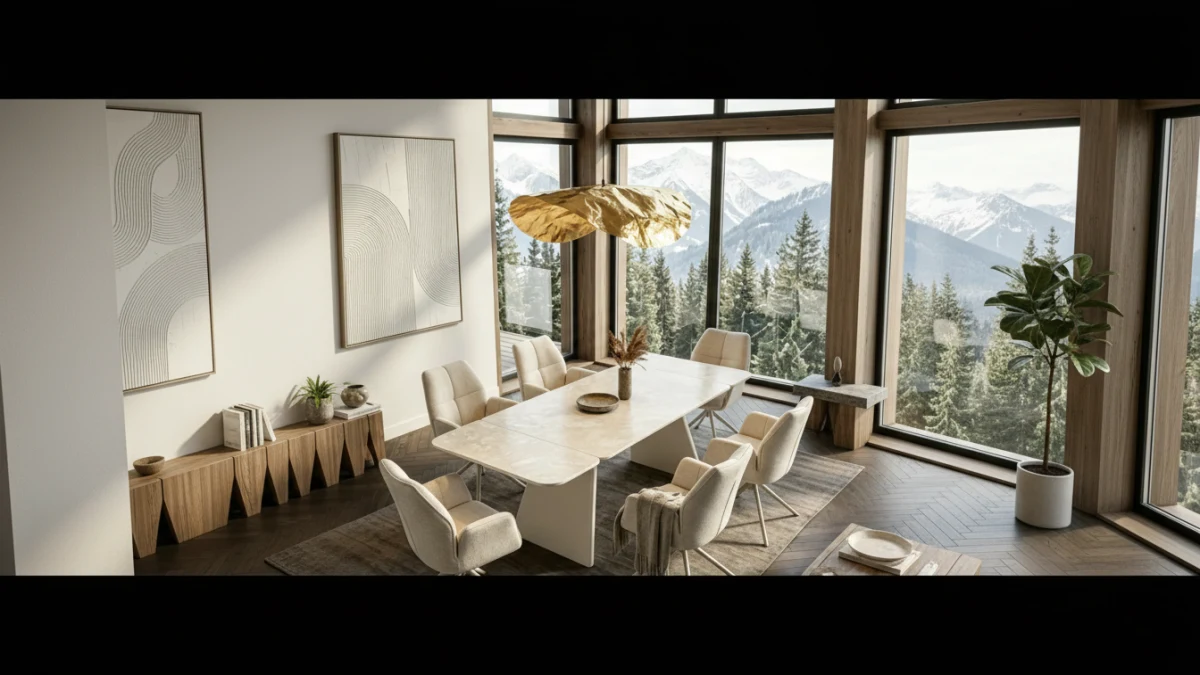
What are the common mistakes when sourcing ceramic dining tables from China?
Sourcing ceramic dining tables from China offers high commercial value, but European B2B buyers often make costly mistakes by prioritizing low unit prices over structural subframe stability, skipping rigorous sample testing, and underestimating the specialized packaging required to prevent transit breakage. Mitigating these risks is critical to securing product longevity and brand reputation.
Why is the market demand for sourcing ceramic dining tables from China growing rapidly?
Ceramic and engineered sintered stone dining tables have experienced rapid growth across key European markets, including Germany, the Netherlands, the UK, Poland, Switzerland, and Ireland. Contemporary consumers increasingly seek out furniture that combines aesthetic sophistication with practical durability. Sintered stone surfaces meet these demands perfectly, offering excellent scratch resistance, stain resistance, and thermal endurance. Unlike natural marble, these engineered surfaces require minimal maintenance and do not absorb liquids, making them highly desirable for modern dining spaces.
To satisfy this growing demand, sourcing ceramic dining tables from China is the most efficient and scalable solution for European furniture wholesalers, retail chains, and importers. Chinese furniture manufacturers have developed highly optimized production systems capable of handling large-scale production while offering flexible OEM and ODM customization. However, the abundance of choices in this market can be misleading. "Ceramic" is a broad term that covers a wide range of material grades, and inexperienced buyers who focus strictly on the lowest price often overlook critical engineering details. This oversight leads to high return rates, structural failures, and costly logistical damage that quickly erodes business margins.
Mistake 1: Why is focusing on low unit prices without verifying ceramic specifications a critical error?
The most common pitfall when sourcing ceramic dining tables from China is selecting a supplier based solely on the lowest FOB price without evaluating the exact technical specifications of the table top. High-quality sintered stone dining table wholesale options require premium raw materials and precise manufacturing processes, which naturally come with realistic production costs.
Low-cost tables often utilize thin, low-density ceramic sheets that lack the necessary structural integrity for daily dining use. These cheap alternatives are highly vulnerable to cracking under thermal stress or chipping along the edges from minor impacts. Furthermore, high-quality ceramic tables are not made of raw ceramic alone; they typically feature a dual-layer composite structure where the top ceramic layer is permanently bonded to a heavy-duty tempered glass or wood-based supporting backing.
The bonding process itself is a frequent point of failure. Professional manufacturers use specialized, high-performance adhesives formulated to withstand temperature changes. If a factory uses sub-standard adhesives or rushes the curing process to speed up production, the bonding layers will fail over time. When these tables are shipped to European climates with high humidity and shifting seasonal temperatures, the difference in thermal expansion rates between the ceramic and the backing causes delamination. Once the layers separate, the ceramic top loses its structural reinforcement and is prone to sudden, catastrophic cracking.
Mistake 2: How does neglecting the under-table subframe and supporting plate construction ruin structural stability?
Because ceramic and sintered stone tops are heavy and completely rigid, they cannot simply be bolted directly to metal table legs without a proper load-bearing system. A major mistake made by B2B buyers is overlooking how the top is integrated with the underlying frame.
A high-quality ceramic dining table manufacturer designs products with a full-surface supporting plate—typically made of engineered wood or heavy-duty plywood—positioned between the table top and the metal legs. This supporting plate is critical for two reasons: First, it distributes the massive weight of the composite top evenly across the entire metal frame, preventing localized stress from warping the structure. Second, it acts as a structural shock absorber, dampening mechanical impacts when heavy objects are placed on the table.
Low-tier suppliers often eliminate this full-surface supporting plate to reduce material costs. Instead, they support the heavy top using only small metal brackets, structural corners, or suction cups. This creates concentrated pressure points. If a user leans heavily on the edge of the table, the leverage can cause the ceramic to crack or the table to tip. A robust, stable design must utilize heavy-duty metal frames with precise KD (Knock-Down) structures and steel-to-steel structural bolts, ensuring the table remains rock-solid and stable.
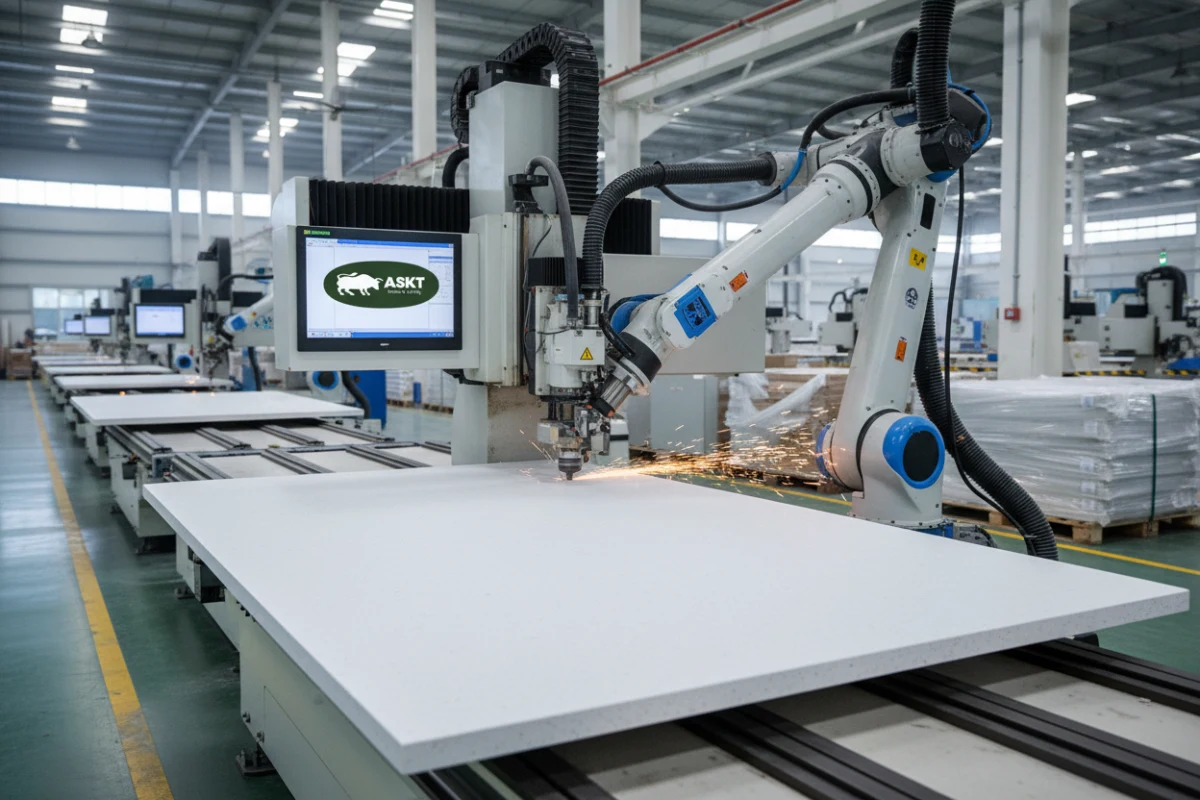
Mistake 3: Why is skipping custom sample development and localized prototyping a major risk?
In the rush to bring new models to market, some retail chains and e-commerce brands skip the physical prototyping phase and place bulk orders based entirely on digital designs or catalog images. This is a severe error that undermines B2B furniture quality control.
European consumers expect precise ergonomics, functional dimensions, and exceptional finishes. For example, dining tables destined for Germany, the Netherlands, or the UK must meet standard dining heights and offer sufficient leg clearance for comfortable seating. This becomes even more complex for extension dining tables, where internal metal slide mechanisms must operate smoothly and consistently without sticking or misalignment.
Requesting a custom sample and pursuing localized prototyping is the only way to evaluate these mechanical aspects in detail. It allows your product development team to test the table's ease of assembly, check the structural integrity of the metal frames, and verify that the powder coating finish is applied evenly without surface defects. If a supplier is reluctant to provide a pre-production sample or engage in structural adjustments, they lack the technical capability to manage professional OEM and ODM customization from Chinese furniture suppliers.
Mistake 4: How does underestimating transit hazards and neglecting packaging optimization lead to high return rates?
While high-quality sintered stone is extremely resistant to scratches and heat, its edges and corners remain vulnerable to side impacts and micro-vibrations during shipping, container loading, and land transportation.
Many Chinese furniture suppliers package dining tables using thin, single-wall cardboard boxes and basic foam corners. While this minimal protection might survive smooth, direct container transit, it almost always fails during final-mile delivery. When local carriers handle these heavy, fragile boxes, improper drops or lateral impacts lead to chipped edges and broken slabs. For e-commerce furniture brands, these damages result in expensive replacement claims and ruined customer satisfaction.
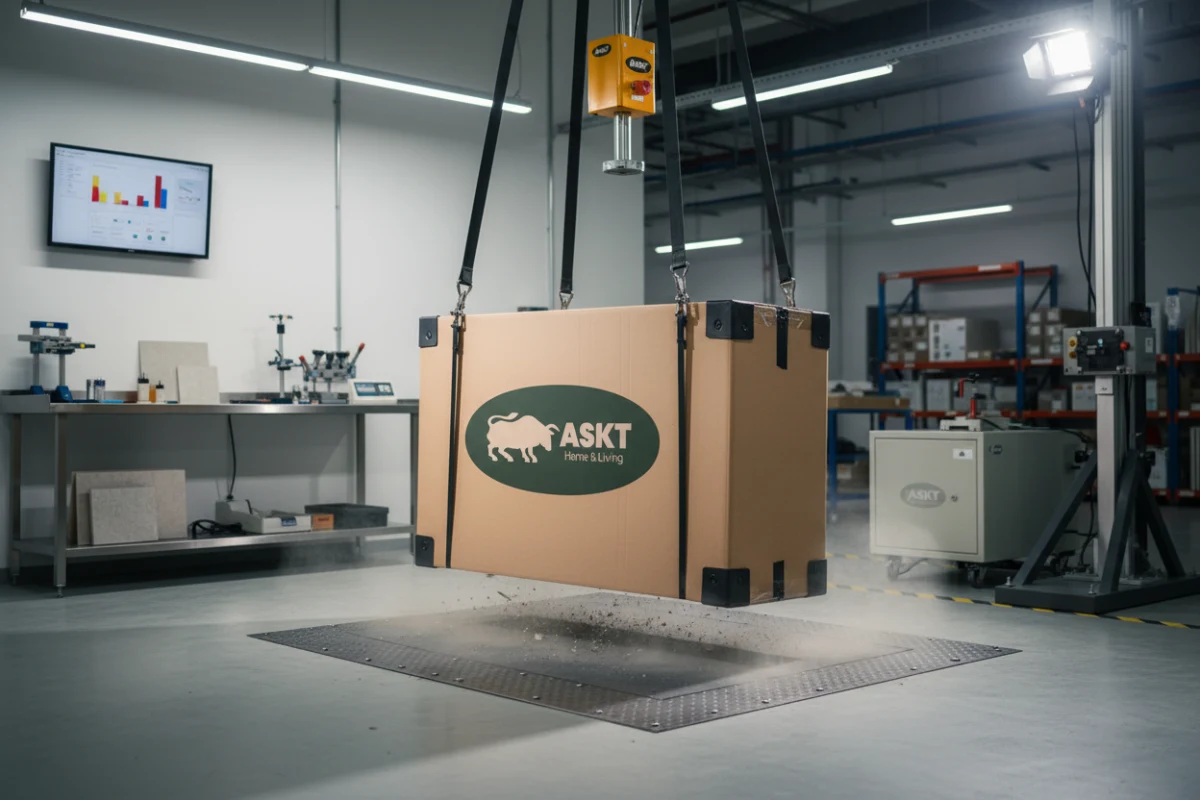
To avoid these losses, professional buyers must prioritize packaging optimization as part of their sourcing agreements. Reliable manufacturers utilize heavy-duty, double-wall corrugated cartons, reinforced honeycomb paperboard edge protectors, and solid wooden crates or pallets for added safety. Furthermore, buyers should insist that the manufacturer conduct standardized packaging drop tests before shipping. A professional drop test simulates real-world handling impacts, ensuring the product arrives in pristine condition at your retail warehouse or the end customer's home.
Mistake 5: What are the dangers of ignoring batch-to-batch consistency and raw material traceability?
A common trap for B2B buyers is assuming that the high quality of the approved golden sample will automatically translate to the thousands of units produced in the bulk run. Without systematic manufacturing consistency, variations between different production batches can seriously harm your brand's reputation.
In ceramic table manufacturing, consistency depends on the strict control of raw materials. If a factory sources its sintered stone slabs or metal components from unverified third-party suppliers to lower costs, significant variations in material density, flatness, and color consistency will occur. For example, slight variations in the raw ceramic formulation can cause the slabs to warp during firing, resulting in uneven table tops that do not align properly.
To protect your product lines, you must work with a partner that has clear raw material traceability and standardized production processes. Factories that invest in systematic B2B furniture quality control workflows—from incoming material checks to final pre-shipment inspections—ensure that every table leaving the production line matches the approved specifications. This consistency is vital for maintaining low defect rates and keeping your operations running smoothly.
Mistake 6: Why is neglecting European safety standards and structural testing a severe compliance risk?
Importing furniture that does not meet the regulatory requirements of European markets is a massive business risk. In countries like Germany, the Netherlands, and the UK, furniture sold for residential and contract use must comply with strict safety, stability, and durability guidelines.
For dining tables, professional buyers must ensure their products undergo structural testing that evaluates:
- Stability: Ensuring the table will not tip over when localized weight is applied to the outer edges.
- Strength and Durability: Testing the structural metal frames under repeated heavy loads to guarantee they will not fail over time.
- Material Safety: Verifying that the tempered glass backing and ceramic layers are safely bonded and do not pose a shattering risk.
- Extension Mechanisms: Testing that moving parts operate safely without creating finger-trap hazards.
Many low-cost factories do not test their designs against these standards and cannot provide legitimate, third-party laboratory test reports. Importing non-compliant tables can lead to severe consequences, including costly product recalls, legal liability in the event of an accident, and permanent damage to your brand. Always make verified compliance testing a non-negotiable part of your quality control checklist.
Mistake 7: How do buyers lose their competitive edge by failing to secure clear design exclusivity?
Developing an appealing modern furniture line with unique metal frames, powder coating finishes, or specialized extension tables represents a major investment of time and resources. A significant mistake made by many B2B furniture importers is failing to protect these designs when collaborating with manufacturers.
Because many suppliers in China export directly to multiple global markets, they may showcase their production capabilities at international trade fairs. Without a formal, legally binding design exclusivity agreement, a manufacturer might offer your custom leg designs or unique sintered stone patterns directly to your competitors in Germany, the Netherlands, or the UK.
To safeguard your market share, you must partner with a supplier that values intellectual property and long-term partnership. Before starting the prototyping phase, establish a clear non-disclosure agreement and sign a contract that secures geographic exclusivity for your custom designs. A trustworthy manufacturer will welcome these agreements, recognizing them as the foundation of a mutually beneficial, long-term commercial relationship.
How can buyers qualify a professional ceramic dining table manufacturer? (Sourcing Checklist)
To help your purchasing managers and product development teams easily identify reliable suppliers, use the following comparison table during your sourcing evaluations:
| Evaluation Area | Red Flags (Low-Tier Suppliers) | Green Flags (Professional Manufacturers) |
|---|---|---|
| Subframe & Top Construction | Thin ceramic tops glued directly to metal brackets without a continuous backing plate. | Dual-layer composite tops bonded to glass or wood backings, supported by a full-surface plate. |
| Frame & KD Structure | Weak, thin metal frames that wobble under load; low-quality assembly hardware. | Heavy-duty metal frames with powder coating, robust KD structures, and secure steel-to-steel bolts. |
| Packaging Protection | Standard single-wall cardboard boxes with minimal foam inserts; no transport testing. | Optimized double-wall packaging with reinforced edges; completed packaging drop tests. |
| Quality Control & Consistency | No clear traceability of raw materials; lack of structured inspection workflows. | Comprehensive quality control with structured inspections from materials to final loading. |
| Compliance & Testing | Cannot provide third-party laboratory test reports for structural safety and stability. | Fully verified test reports demonstrating compliance with European safety and durability standards. |
| IP & Design Exclusivity | Refuses to sign geographic exclusivity agreements; displays custom designs openly. | Clear contracts protecting proprietary designs; dedicated support for custom OEM and ODM development. |
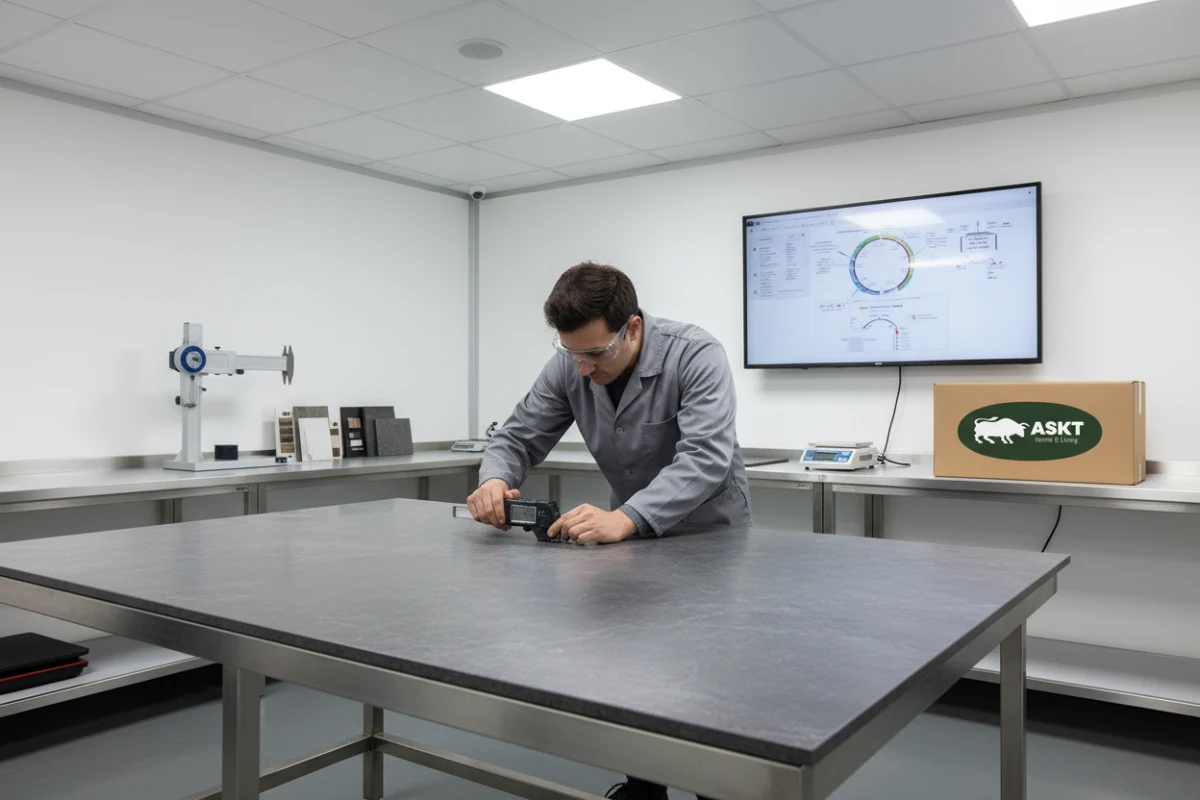
Conclusion: How can you build a commercially stable ceramic dining table collection?
Sourcing ceramic dining tables from China is a highly effective way to expand your product range and capture premium market share in the European furniture industry. However, long-term commercial success requires moving away from a simple focus on the lowest unit price. By prioritizing material grades, full-surface subframe support, strict compliance testing, and optimized transit packaging, you can eliminate the primary causes of retail returns and customer complaints.
For European wholesalers, retail chains, and contract buyers looking for a dependable manufacturing partner, ASKT offers extensive experience in producing contemporary dining tables, dining chairs, and matching indoor furniture. Specializing in high-quality sintered stone, metal-frame construction, and reliable B2B furniture quality control, ASKT is dedicated to helping you develop commercially stable, high-performance collections.
To discuss your custom product development, packaging requirements, or material customization, we invite you to explore our capabilities and connect with our team by visiting https://www.asktfurniture.com/ to elevate your product range today.