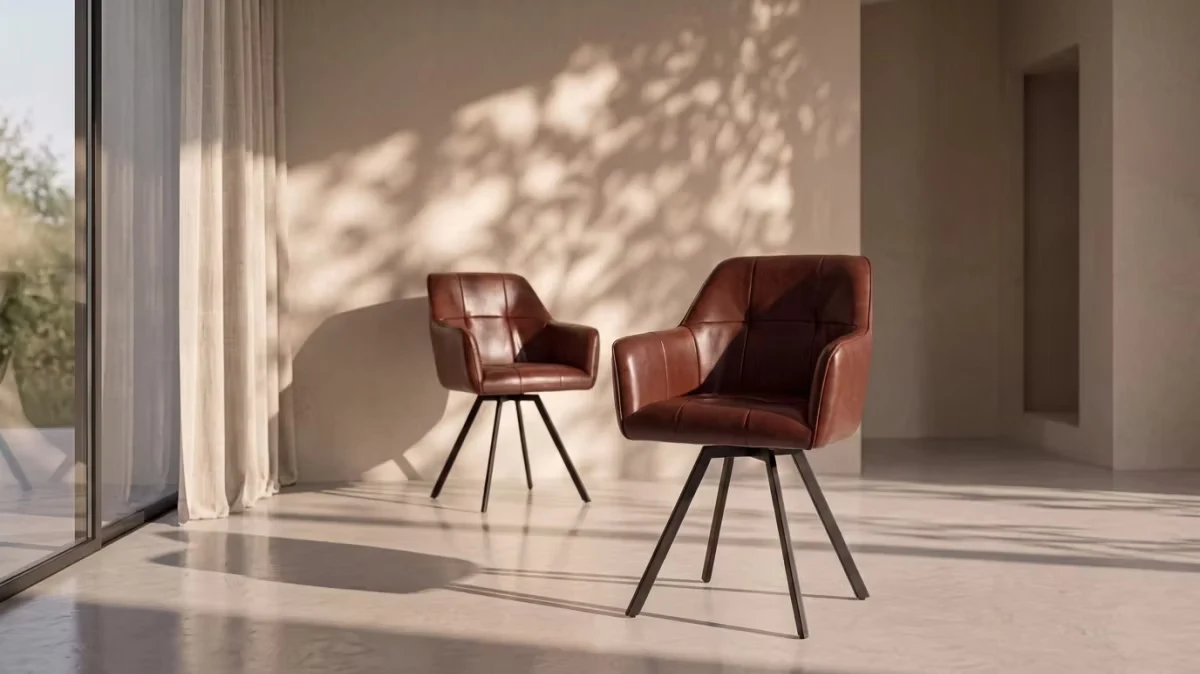
Dining Chair Design to Mass Production Quality Assurance: A Buyer’s Guide
If you have ever received a container of dining chairs that looked great in photos but arrived with uneven stitching, wobbly frames or mismatched fabric colour, you already know one hard truth: good quality is not created at the final inspection. It is built in, step by step, from the first design sketch all the way through to the last carton on the container. For furniture wholesalers, importers, retail chains and contract buyers across Europe, dining chair design to mass production quality assurance is one of the most important factors in protecting margins, reducing returns and keeping customers happy.
In this guide, we break down how a serious manufacturing partner approaches quality at each stage, why dining chair manufacturing consistency matters more than a one-off perfect sample, and what you should look for when evaluating suppliers for long-term cooperation.
Why Quality Assurance Starts at the Design Stage, Not the Final Inspection
It is tempting to think of quality control as the last step before shipping. A team pulls a few chairs apart, checks measurements and signs off. The problem with that approach is simple: if the design itself is flawed, final inspection can only reject products, not fix them.
Structural weakness, uncomfortable seating height, poor fabric choice, difficult assembly or weak packaging are all problems that originate much earlier. Once the tooling is made, materials are ordered and the production line is set up, changing these issues becomes expensive and slow. That is why experienced buyers pay close attention to quality control from design to production rather than relying on end-of-line checks alone.
For European markets, design-stage quality planning also helps with compliance, ergonomic expectations and commercial performance. A dining chair that is designed with the right seat depth, backrest angle and frame stability will sell better, last longer and generate fewer warranty claims. In other words, good design-stage QA is not just about avoiding defects—it is about building a product that supports your business over time.
Design and Development: Building Quality Into Every Dining Chair Specification
The first practical step in dining chair design to mass production quality assurance is turning a concept into a clear, locked specification. A professional manufacturer will not move from a rendering straight into production. Instead, they will define every detail in a way that leaves little room for interpretation on the factory floor.
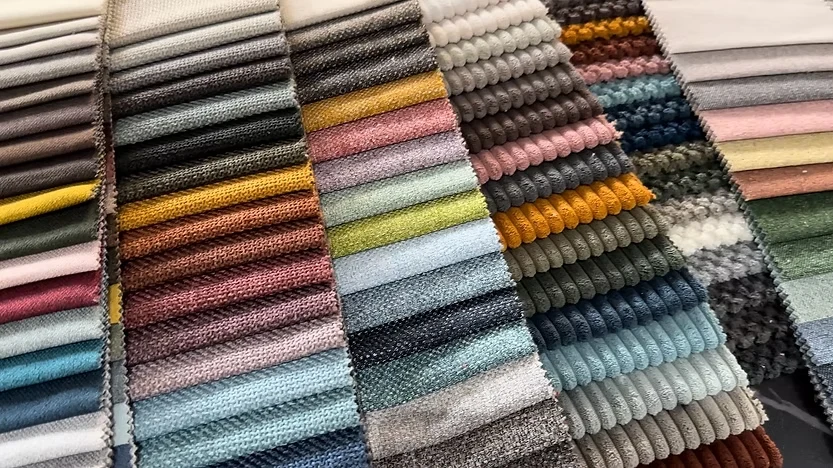
Key specification points usually include frame dimensions and material type, seat and backrest configuration, fabric type and colour reference, hardware specifications, assembly structure including KD design requirements, and packaging details. What makes this stage powerful is that every decision is made with manufacturing and durability in mind. A frame that looks elegant on a sketch may still fail stability tests if the leg angle or joint design is wrong. A fabric that feels soft in the showroom may wear out quickly in a high-frequency contract environment. Good development work anticipates these issues before mass production begins.
At ASKT, design work is also grounded in real European usage patterns rather than purely visual trends. The team has studied over 1,000 German home dining scenarios, including table height combinations, space around the table and floor colour preferences, so that the final product fits the market it is intended for. This kind of market-aware design reduces the risk of investing in a chair that looks attractive on paper but does not match real customer needs.
Material Validation: Fabric Testing, Frame Standards and Compliance Checks
Materials are where most quality problems start. Even the most careful assembly team cannot make a durable chair from weak fabric, unstable tubing or low-quality foam. That is why material validation is a central part of mass production quality assurance for furniture.
Fabric is particularly important because it is the part of the chair that users see, touch and wear on a daily basis. A serious manufacturer will test fabrics against key performance criteria before they are approved for production. Typical checks include abrasion resistance, colour fastness and breathability. These tests help predict how the fabric will hold up over time, whether colours will stay consistent across batches and whether the seat will feel comfortable in daily use.
Beyond performance, safety and sustainability also matter for European buyers. Fabrics certified to OEKO-TEX® STANDARD 100 give buyers confidence that harmful substance levels are controlled, which is especially relevant for family-oriented retail brands and contract projects. Some fabric options also use recycled plastic bottle fibres, supporting ESG goals and European sustainability expectations without sacrificing durability.
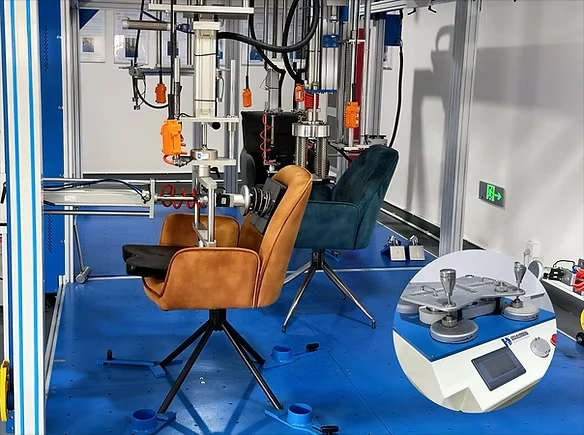
Frame materials require the same level of discipline. For metal-frame dining chairs, consistency depends on controlled tube thickness, stable welding and uniform powder coating. For wooden components, it depends on consistent board quality, accurate drilling and strong hardware installation. The goal is not just to pass a single sample test—it is to make sure the same performance is repeated across thousands of units.
Environmental and workplace standards also play a role in long-term supply reliability. Factories with BSCI certification, structured worker training and proper protective equipment tend to be more stable partners because they have stronger process discipline and lower turnover. This may seem indirect, but it directly supports dining chair manufacturing consistency over time.
Prototype and Sample Approval: Locking in Performance Before Mass Production
Once materials and drawings are ready, the next critical stage is prototyping and sample approval. This is where the design moves from paper to a physical chair, and it is one of the most important checkpoints in the whole quality assurance process.
A prototype is not just a visual sample. It should be tested for structural stability, ergonomic comfort, fabric fit and finishing quality, assembly ease, and packaging protection. For professional buyers, the approved sample becomes the reference standard for everything that follows. That is why it is important to evaluate samples against clear criteria rather than general impressions. If you approve a sample based only on how it looks, you may later discover issues with durability, assembly or packaging that could have been fixed at this stage.
Experienced manufacturers use the sample stage to solve problems before they scale. They may adjust frame details, change cutting patterns or refine foam density several times until the chair performs as expected. This takes a little extra time upfront, but it prevents far bigger delays and costs during mass production.
Production Process Standardization: How Consistent Workflows Reduce Variation
Even a perfect sample is not enough if the factory cannot repeat it at volume. This is where production process standardisation becomes the foundation of dining chair manufacturing consistency.
Standardisation means that every worker follows the same steps, uses the same tools and refers to the same quality benchmarks. Modern furniture factories rely on a mix of skilled staff and specialised equipment to reduce human variation. For example, automated cutting machines cut fabric in consistent shapes across large batches, punching machines create accurate holes in wooden components, nailing machines install leg hardware in the same position every time, and automatic welding robotic arms produce stable, repeatable frame joints.
Equipment alone is not enough, though. What matters more is how work is organised. Each production station should have clear instructions, defined checkpoints and accessible reference samples. Workers should receive training before they join the line, and supervisors should monitor critical steps rather than only checking finished chairs at the end.
For repeat orders, standardisation is especially valuable. When the same bill of materials, same process sequence and same QC criteria are used every time, you can be much more confident that the second container will match the first. This repeat order quality stability for dining chairs directly reduces complaints, returns and sourcing risk for buyers.
In-Line Quality Control: Catching Issues Early in the Manufacturing Flow
In-line quality control is one of the clearest signs that a manufacturer takes dining chair design to mass production quality assurance seriously. Instead of waiting until the chair is fully assembled, inspectors check quality at several points along the production flow.
Typical in-line checkpoints include frame and welding inspection before powder coating, material cutting and sewing checks before upholstery, foam and pocket spring assembly verification, seat and backrest fitting checks, and hardware installation and stability checks during assembly.
The advantage of in-line QC is that issues are caught early, when they are still cheap and fast to correct. A small sewing mistake found at the sewing station takes minutes to fix. The same mistake discovered on a fully assembled chair in the warehouse takes much longer and may waste other materials. For large orders, early correction also prevents whole batches from going off specification.
From a buyer’s perspective, you do not need to understand every technical detail of the production line. What you should understand is whether the manufacturer has a structured inspection process, how often checks happen and what happens when a defect is found. A transparent partner will be able to explain their workflow in plain terms and share inspection records.
Final Inspection, Packaging and Shipment Readiness Checks
Even with strong in-line controls, final inspection still plays an essential role. It is the last chance to verify that the finished product matches the approved sample and meets all agreed specifications.
A thorough final inspection usually covers overall visual appearance and finishing quality, structural stability and rocking behaviour, fabric consistency and stitching quality, correct hardware and glide installation, assembly instructions and completeness of parts, and carton quality, labelling and packaging protection.
Packaging is easy to overlook, but it is a critical part of mass production quality assurance for furniture. A well-made chair can still arrive damaged if the carton is too thin, the protection is poorly designed or the load configuration is unstable. For European buyers importing from China, packaging quality directly affects damage rates, customer satisfaction and after-sales cost.
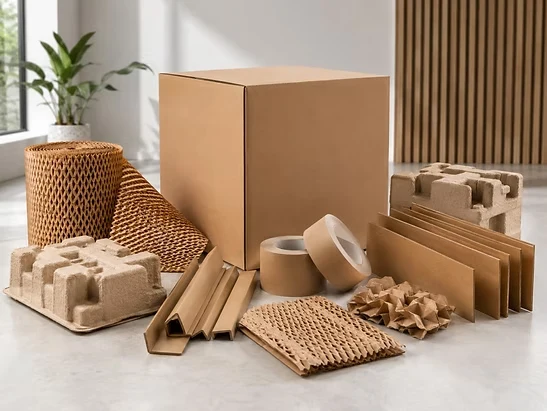
For container shipments, manufacturers with experience in export markets also pay attention to loading efficiency and transport safety. This means optimising carton sizes, using appropriate inner protection and planning how cartons are stacked inside the container to minimise movement during transit.
How to Maintain Quality Consistency Across Repeat and Large-Volume Orders
The real test of a good supplier is not the first sample, or even the first order. It is the fourth order, the sixth order and the tenth order—when initial attention fades and repeat order quality stability for dining chairs becomes the difference between a profitable line and a constant source of problems.
Several factors support long-term consistency. First, the manufacturer should keep clear approval records, including sealed samples, material references and process documents. Without these, it is easy for small changes to creep in over time.
Second, material supply should be stable. A factory that frequently switches suppliers to save a small amount on cost will almost always produce more variation. Reliable partners work with consistent material sources and communicate changes early so that buyers can evaluate them before production starts.
Third, testing should not stop after the prototype stage. Regular batch checks on fabric performance, frame stability and assembly quality help catch drift before it becomes a major issue. This is especially important for large-volume programmes and contract furniture projects where consistency across dozens of locations is essential.
Finally, transparency matters. A supplier that hides problems, avoids questions or only shows you the good units is a risk. A supplier that shares inspection results, explains issues openly and works with you to prevent recurrence is a partner you can build a collection around.
Practical Ways to Evaluate a Manufacturer’s Quality Assurance System
If you are comparing dining chair suppliers, you do not need to become an engineer overnight. You can already learn a lot by asking focused questions about how quality is managed from start to finish.
Here are a few practical evaluation points: ask to see the development process and sample approval workflow, request material test information and certification references where applicable, find out how in-line and final inspections are structured, check whether the factory uses standardised work instructions and calibrated equipment, discuss how repeat orders are kept consistent with the original approval, and clarify packaging design, protection methods and loading experience.
What you are looking for is not a perfect answer on every point. You are looking for clarity, structure and evidence that the manufacturer has thought through quality at each stage. If a supplier can only talk about low prices and fast delivery but cannot explain how they control quality during production, that is usually a warning sign.
At ASKT, this kind of transparent, buyer-focused quality approach is one of the reasons the company has been featured multiple times in the German B2B furniture trade magazine möbelmarkt. From fabric technology and metal frame expertise to digital sourcing tools and modular product systems, the focus is always on giving European buyers clearer visibility and more reliable supply.
Choosing a dining chair supplier is ultimately about risk reduction. You want to know that the product you approve will be the product your customers receive—not just once, but order after order. By evaluating quality control from design to production, you make it much easier to build a commercially strong, low-risk dining chair collection.
If you are currently evaluating dining chair manufacturers for the European market and want to understand how development, testing and repeat-order consistency work in practice, you can learn more about our development and quality assurance processes.