
Which Dining Chair Fabric Is Easiest to Clean?
The easiest dining chair fabric to clean is high-performance stain-resistant upholstery with a hydrophobic surface, such as ASKT-Tex, which allows liquid and food spills to be wiped away quickly without soaking into the fibres. For European B2B buyers, easy-clean fabrics reduce return rates, extend product life and strengthen the commercial value of a dining chair collection.
Why does easy-clean dining chair fabric matter for furniture buyers?
For wholesalers, retailers and contract buyers, the cleanability of dining chair fabric is not a minor detail—it directly affects customer satisfaction, return rates and long-term brand reputation. A chair that stains easily after a single coffee spill can lead to complaints, warranty claims and lost repeat business. A chair that wipes clean in seconds, on the other hand, becomes a selling point that customers are willing to pay more for.
In the European market, especially in Germany, the Netherlands and the UK, buyers place strong emphasis on practicality and durability. Families, pet owners, restaurants and cafés all look for seating that can handle real life without looking worn out after a few months. Easy clean upholstery fabric for dining chairs has therefore moved from a niche feature to a standard expectation for many product ranges.
From a sourcing perspective, choosing the right fabric also reduces risk. If you order a container of chairs that stain easily, you are left with slow-selling stock and discounting pressure. If you choose a fabric that performs well in real conditions, you can build a repeatable bestseller across multiple seasons.
What fabric properties make a dining chair easy to clean?
Not every fabric marketed as stain resistant actually performs the same way. From a manufacturing and quality control standpoint, cleanability depends on a combination of structural and chemical properties that work together.
The most important properties to check are:
- Hydrophobic surface treatment: A water-repellent layer causes liquid spills to bead on top of the fabric instead of soaking in immediately, giving time to wipe them away.
- Tight and uniform weave: Densely woven fibres leave fewer gaps where food particles and dirt can become trapped.
- Smooth fibre surface: Smoother fibres release dirt more easily than rough, textured or looped fibres.
- Colour fastness: A fabric that resists fading during cleaning will keep its original appearance after repeated wiping and maintenance.
- Abrasion resistance: A fabric that can survive regular cleaning without wearing thin or pilling stays presentable longer.
- Breathability: A fabric that repels spills while still allowing air to pass through avoids the sticky, plastic-like feel that many customers dislike.
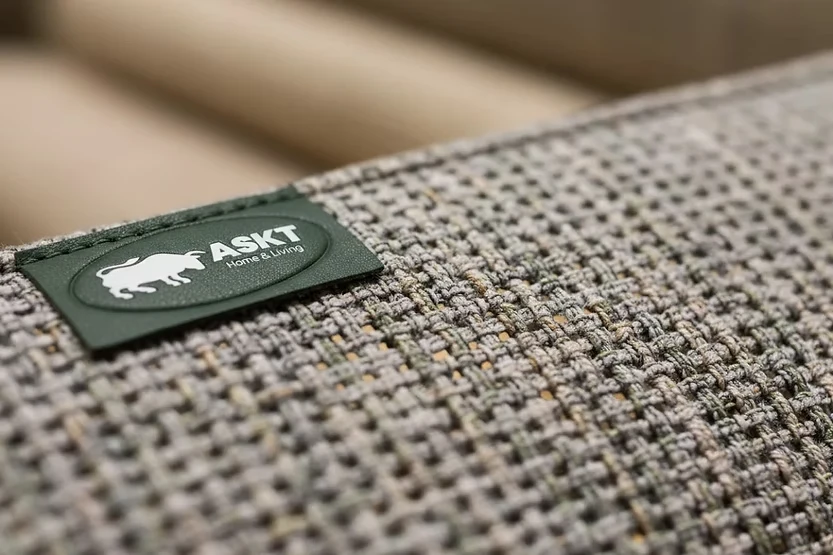
Many cheap waterproof dining chair fabric options only achieve water resistance at the cost of breathability, creating a seat that feels uncomfortable in warm environments. The real engineering challenge is balancing repellency with a natural, soft touch—and that is what separates entry-level options from commercial-grade high-performance fabrics.
How do common dining chair fabrics compare for cleanability?
To make a confident sourcing decision, it helps to compare the most popular dining chair fabrics side by side. The table below summarises how each material typically performs in terms of cleaning, maintenance and everyday practicality.
| Fabric type | Cleanability | Stain resistance | Abrasion resistance | Feel and comfort | Typical use case |
|---|---|---|---|---|---|
| High-performance polyester blend with hydrophobic coating | Excellent; wipes clean with a damp cloth | Very high | Very high | Soft and breathable | Retail and hospitality ranges |
| PVC or faux leather | Good; wipes clean easily | High | Medium to high | Can feel cold or sticky | Budget commercial seating |
| Linen blend | Poor; absorbs spills quickly | Low | Medium | Natural and soft | Low-use domestic settings |
| Velvet | Fair to poor; marks easily and needs special care | Low to medium | Medium | Luxurious and soft | Premium visual-focused ranges |
| Canvas or cotton | Poor; absorbs stains deeply | Low | Medium to high | Casual and durable | Outdoor or casual use only |
| Wool blend | Poor; requires professional cleaning | Low | High | Warm and premium | Occasional-use furniture |
What this comparison shows is that stain resistant dining chair fabric does not have to look or feel technical. Modern high-performance blends can mimic the look of linen, wool or velvet while still delivering wipe-clean convenience. That is a major advantage for product managers who want a premium appearance without the practical drawbacks of natural fibres.
Is waterproof dining chair fabric the same as easy-clean fabric?
The short answer is no. Waterproof dining chair fabric stops liquid from passing through to the foam and frame underneath, but it does not always make surface stains easy to remove. Similarly, a stain-resistant fabric may repel oil and water-based spills on the surface while still allowing slow absorption under pressure.
For buyers, the distinction matters because the two features solve different problems:
- Waterproof fabric protects the internal structure of the chair from liquid damage, which is especially relevant for contract and hospitality settings where spills are frequent.
- Stain-resistant fabric prevents visible marks from forming on the surface, which is what customers notice first and what drives most return requests.
The strongest product ranges combine both properties. A fabric that beads water, resists oil-based food stains and stops liquid from reaching the seat foam gives the best protection for both the consumer and your bottom line.
What role do abrasion resistance and colour fastness play in long-term cleanability?
Easy cleaning is not just about removing the first spill. It is about maintaining a clean appearance after months and years of regular wiping. Two fabric tests that strongly influence long-term performance are abrasion resistance and colour fastness.
Abrasion resistance measures how well the fabric withstands rubbing and wear. If a fabric wears down quickly, its protective surface layer can be lost, and dirt becomes trapped in the damaged fibres. For commercial use, high performance dining chair fabric for commercial use must survive far more cleaning cycles than a domestic fabric, because restaurant and café staff will wipe chairs multiple times per day.
Colour fastness measures how well the dye stays in the fabric when exposed to light, water and cleaning products. If a fabric has poor colour fastness, even gentle cleaning can cause fading or discolouration. Over time, chairs that started matching can look uneven, and the whole dining set loses its perceived value.
For B2B buyers, these two tests are among the most important quality checks to verify before placing a large order. A fabric that looks great in a showroom but fades after three months of cleaning is a costly sourcing mistake.
What certifications should you look for in easy-clean dining chair fabric?
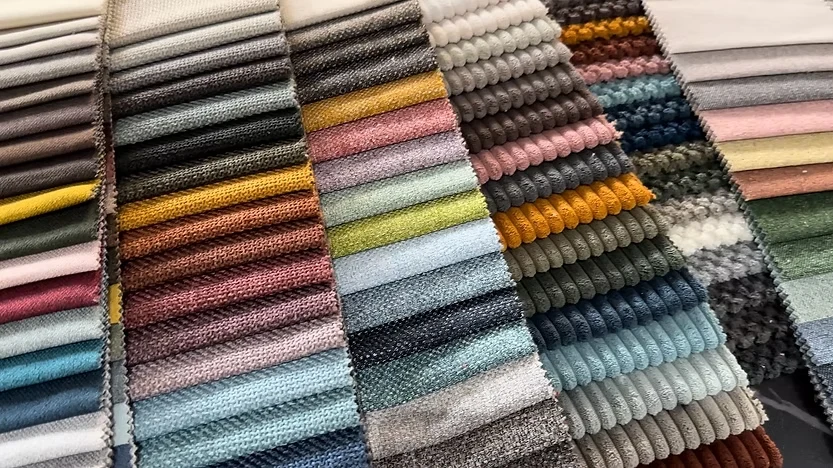
Certifications help you verify fabric performance instead of relying only on a supplier's marketing claims. The most relevant certification for safety and consumer confidence in the European market is OEKO-TEX® STANDARD 100, which confirms that the fabric has been tested for harmful substances and is safe for direct skin contact.
A fabric with this certification gives you two practical advantages. First, it reduces compliance risk when selling into Germany, the Netherlands, the UK and other European markets where product safety is closely monitored. Second, it acts as a trust signal for end customers, especially families with young children.
Beyond safety certifications, you should also ask for internal test results on:
- Abrasion resistance
- Colour fastness to light
- Colour fastness to rubbing
- Water repellency
- Stain release performance
Reputable manufacturers will share these results with you during sampling. If a supplier cannot provide test data, you have no reliable way to know whether the fabric will perform as promised.
Are pet-friendly and sustainable easy-clean fabrics available?
Yes, and these two features are becoming increasingly important in the European furniture market. Many customers want dining chairs that can handle pet claws, pet hair and occasional accidents without showing damage. A pet-friendly easy-clean fabric typically has a smooth, dense surface that resists snagging and can be wiped or vacuumed easily.
On the sustainability side, fabrics made from recycled plastic bottles are growing in demand because they align with European green policies and ESG expectations. Recycled polyester can deliver the same stain resistance, abrasion resistance and waterproof performance as virgin polyester, but with a lower environmental footprint.
For retail buyers, sustainable easy-clean fabrics create a strong marketing story. They allow you to position a product as practical, long-lasting and environmentally responsible at the same time—a combination that resonates well with modern European consumers.
How do you evaluate easy-clean fabric quality before sourcing?
If you are building or updating a dining chair collection, there are several practical steps you can take to assess fabric quality before committing to a full production order.
First, always request physical samples. Photographs and product descriptions cannot tell you how a fabric actually feels, how it repels liquid or how easy it is to wipe clean. With a sample in hand, you can run your own simple tests.
A few practical tests you can perform yourself:
- Water drop test: Place a small drop of water on the fabric and see if it beads on the surface or soaks in immediately.
- Wipe test: Apply a small amount of a common food substance, wait a short time, then wipe with a damp cloth and check for remaining marks.
- Rub test: Rub the fabric firmly with a light-coloured cloth and see whether dye transfers or the surface pills.
- Flex test: Fold and bend the sample several times and check whether the surface coating cracks or changes appearance.
Second, ask the supplier for detailed test reports and fabric specifications. You should know not only the fibre composition but also the weave structure, coating method and expected performance under repeated cleaning.
Third, consider ordering a small pre-production sample chair. Seeing the fabric upholstered on an actual chair gives you a much better idea of how it will look and perform in real use than a flat swatch alone.
What are the maintenance cost implications for your product range?
When comparing fabric options, it is easy to focus only on the per-unit material cost. But the true cost of a fabric includes much more than the initial price per metre.
A cheaper fabric that stains easily and wears out quickly can cost you much more over time through:
- Higher return and warranty rates
- More frequent replacement in contract settings
- Discounting of slow-selling stock
- Damage to brand reputation
- Customer service and handling costs
A slightly more expensive high-performance fabric, by contrast, can reduce all of those costs and support a higher selling price. For retailers, it can also become a key differentiator in a crowded market.
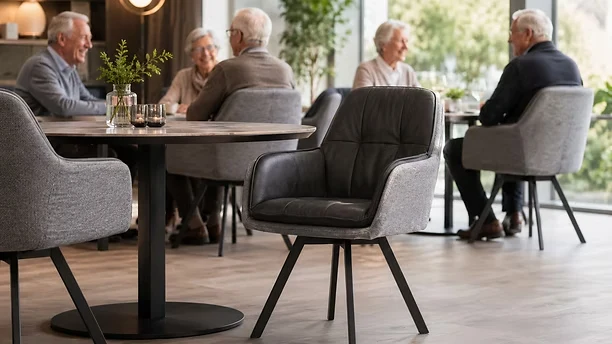
For contract and hospitality buyers, the calculation is even clearer. Chairs in restaurants, cafés and hotels are cleaned every day, sometimes multiple times a day. A fabric that survives years of daily cleaning instead of a few months dramatically lowers the total cost of ownership.
This is why professional buyers usually evaluate fabric on lifetime value, not just purchase price. The easiest dining chair fabric to clean is almost always the one that stays looking clean for the longest time, not just the one that removes the first spill most quickly.
What should commercial buyers look for in high-performance fabric?
If you are sourcing high performance dining chair fabric for commercial use, you need to set a higher bar than you would for domestic furniture. Commercial environments involve more users, more frequent spills and more regular cleaning, so the fabric must be engineered for heavy use.
The most important requirements for commercial-grade dining chair fabric are:
- High abrasion resistance to survive daily cleaning and heavy seating traffic
- Proven stain release for common food, drink and grease stains found in restaurants and cafés
- Consistent colour across large batch orders so all chairs in a venue match
- Water repellency to protect seat foam and prevent odour and mould issues
- Easy spot cleaning so staff can maintain chairs quickly without special equipment
Commercial buyers should also pay attention to batch consistency. If you order a large quantity of chairs for a hotel project and the fabric colour varies slightly between delivery batches, the final installation will look unprofessional. A reliable manufacturer will control fabric dye lots and document batch numbers to ensure uniformity across large orders.
Frequently asked questions about easy-clean dining chair fabrics
Is fabric easier to clean than leather or faux leather?
It depends on the type of fabric. Standard woven fabrics absorb spills more easily than faux leather, but high-performance stain resistant dining chair fabric can be just as easy to wipe clean, and in some cases more forgiving of minor scuffs. Faux leather can show creases and surface damage over time, while quality fabric can maintain a more uniform appearance.
Can you make any dining chair fabric waterproof?
Not all fabrics are suitable for waterproofing. Some natural fibres do not bond well with water-repellent treatments, and adding a coating can change the feel and breathability of the material. It is better to choose a fabric engineered from the start to be water-repellent, rather than applying a treatment to an existing fabric that was not designed for it.
How often should easy-clean dining chair fabric be replaced in a commercial setting?
There is no fixed answer because it depends on usage intensity, cleaning habits and fabric quality. A high-performance fabric in a moderately busy restaurant can easily last several years before showing significant wear. Lower-grade fabrics may need replacement sooner. The best way to estimate lifespan is to review abrasion test results and ask the manufacturer for performance data from similar commercial projects.