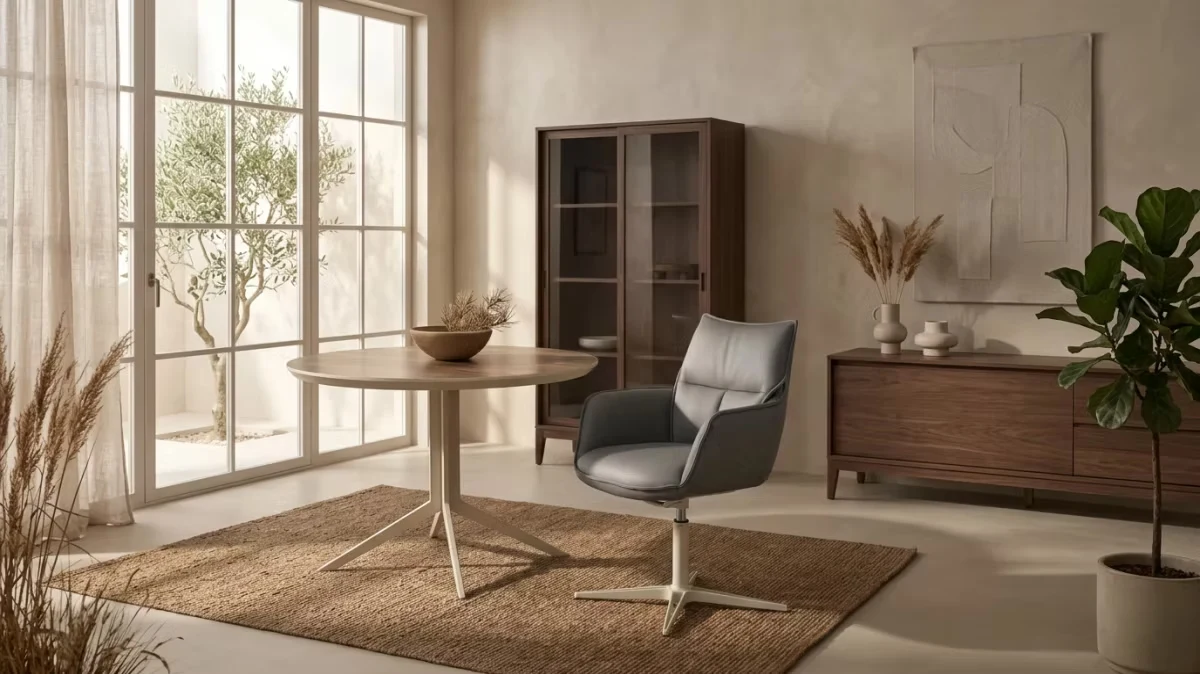
How to Choose an Easy Clean Durable Dining Chair Fabric Manufacturer for European B2B Sourcing
Why Dining Chair Fabric Performance Matters for European B2B Buyers
If you have spent any time sourcing dining chairs for the European market, you already know that fabric is one of the first things customers notice. It is also one of the first things that can go wrong. A chair may have a strong frame, a comfortable seat and an on-trend silhouette, but if the fabric stains easily, wears thin or starts to look tired after a few months, the whole product loses value. That is why choosing the right easy clean durable dining chair fabric manufacturer is not just a material decision. It is a commercial decision that affects return rates, repeat orders, warranty costs and your brand reputation.
From my experience working with furniture wholesalers, retail chains and contract buyers across Germany, the Netherlands, the UK and other European markets, I have seen the same pattern repeat itself. Buyers often start with style and price, then discover too late that fabric performance is what truly determines whether a dining chair range succeeds or fails. A fabric that looks beautiful in a showroom may struggle in a real home with children, pets and weekly dinner parties. In a restaurant or café, the pressure is even higher. That is why professional buyers increasingly look beyond the swatch and ask deeper questions about weaving, raw materials, coatings and testing.
The good news is that you do not need to be a textile engineer to make a smart choice. You just need to know what properties matter, which tests prove those properties, and how to evaluate a manufacturer that stands behind its fabric quality. In this guide, we will break down the practical factors that matter most for B2B sourcing, explain the business value behind each performance feature and show you how to compare suppliers with more confidence.
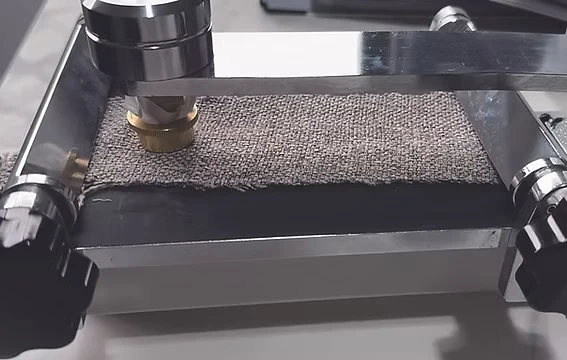
Key Performance Properties of Durable Easy-Clean Chair Fabrics
When you evaluate stain resistant dining chair upholstery fabric, it is tempting to focus on one headline feature such as waterproofing or a soft hand feel. In reality, a good dining chair fabric is a balance of several properties working together. If one property is weak, the whole product can underperform in the market.
Abrasion Resistance
Abrasion resistance tells you how well a fabric holds up to repeated rubbing and use. For dining chairs, this matters because people slide in and out, shift weight and brush against the seat and back many times a day. In high-traffic settings such as restaurants and cafés, the fabric has to withstand even more contact. A fabric with poor abrasion resistance may start to pill, thin or fade unevenly long before the chair structure itself wears out. For buyers, that means early customer complaints, warranty claims and a product range that looks dated faster than it should.
Stain Repellence and Easy-Clean Behaviour
Stain resistance is the property most buyers associate with easy-clean fabrics, and for good reason. Dining areas are where spills happen: coffee, red wine, sauces, butter, children's snacks and pet accidents are all part of real life. A high-quality easy clean fabric should give the user enough time to blot a spill before it sets. That sounds simple, but there is a real difference between a fabric that repels a fresh water-based spill and one that actually releases oily food stains after gentle cleaning. For B2B buyers, the practical test is not how the fabric looks on day one, but how it looks after six months of real use and routine cleaning.
Breathability
Breathability is often overlooked, but it has a direct impact on comfort. A fabric that repels stains but traps heat and moisture can feel unpleasant during long meals, especially in warmer seasons or busy restaurants. For retail buyers, comfort complaints can quietly hurt reorder rates. For contract buyers, guest comfort affects reviews and return visits. That is why a breathable easy clean chair fabric supplier will usually spend as much time on air circulation as on stain defence. The best performing fabrics balance protection with comfort, so customers do not feel like they are sitting on a plastic surface.
Colour Fastness
Colour fastness refers to how well a fabric retains its colour under light, rubbing and cleaning. If a fabric has poor colour fastness, it may fade unevenly near windows, transfer dye onto clothing or change shade after the first spill is cleaned. For buyers who sell matching dining chair sets, uneven colour is a serious quality issue because chairs from the same order can start to look different over time. For contract projects, colour consistency across a large number of seats is essential to maintain a professional interior look.
Pet-Friendly Toughness
In many European households, pets are part of family life, and dining chairs are not off-limits. Fabrics that scratch easily, snag on claws or trap pet hair can become a practical headache for end customers. A durable easy clean fabric should resist light scratching and be simple to wipe or vacuum clean. For B2B buyers, pet-friendly performance is no longer a niche selling point. It has become an expectation that helps a range feel more relevant to modern households.
Standard Tests That Verify Fabric Quality and Durability
Anyone can claim that a fabric is durable or easy to clean. What matters is whether those claims are backed by testing. A reliable easy clean durable dining chair fabric manufacturer will be open about the tests it performs and willing to share results with professional buyers. This transparency is one of the quickest ways to separate a serious supplier from one that is just reselling generic material.
Abrasion, Colour Fastness and Breathability Testing
Abrasion testing measures how well a fabric withstands repeated rubbing under controlled conditions, simulating normal use over a shorter period so buyers can compare materials fairly. For dining chairs, this is especially important on the seat, where most contact happens. A manufacturer that tests abrasion performance can help you understand how a fabric is likely to hold up in different environments, from light residential use to busy hospitality settings.
Colour fastness tests evaluate how much dye transfers or fades under specific conditions, such as exposure to light, rubbing or cleaning agents. For European buyers, this matters because products have to look consistent across a full order and remain presentable after months of use. A fabric that passes colour fastness testing is less likely to produce customer complaints about uneven fading or dye transfer, which reduces return handling costs and protects your brand image.
Breathability testing assesses how easily air passes through a fabric. This is particularly important when you are evaluating coated or treated easy-clean materials, because some protective treatments can reduce airflow and make the chair feel less comfortable to sit on for long periods. A manufacturer that tests breathability can help you balance stain protection with comfort, so your product range performs well in both practical use and customer experience.
Safety and Substance Testing
Beyond performance, European buyers also need reassurance that fabrics are safe for everyday use. That is why working with an OEKO-TEX certified dining chair fabric manufacturer is such a valuable signal. OEKO-TEX STANDARD 100 means the fabric has been tested for harmful substances and meets defined safety requirements, including formaldehyde-free standards that make products suitable for sensitive environments and families with young children. For B2B buyers, this certification reduces compliance risk and makes it easier to communicate product safety to end customers.
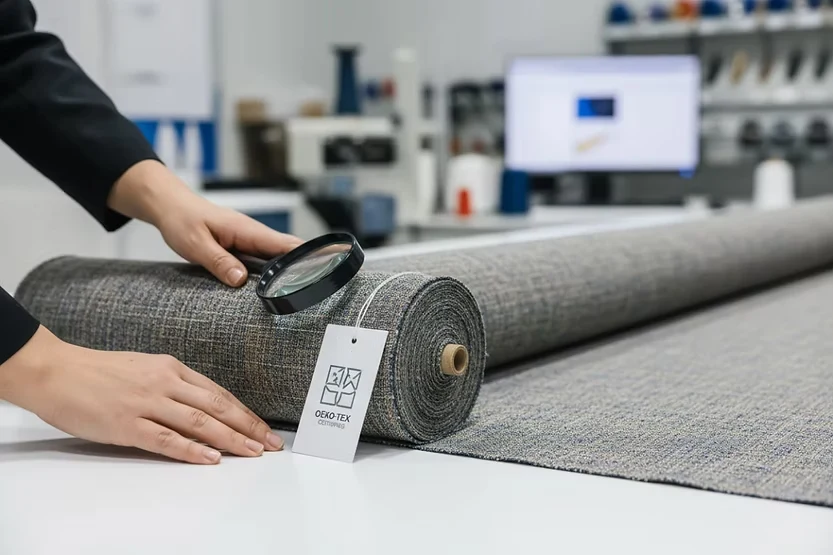
What to Look for When Evaluating a Fabric Manufacturer
Not every fabric supplier is set up to support the needs of European B2B furniture buyers. Some focus on fashion trends and low pricing, while others focus on industrial performance but lack the design flexibility that retail and hospitality buyers need. Here are the factors I recommend checking when you evaluate a potential manufacturing partner.
Depth of Fabric Expertise, Not Just a Wide Catalogue
It is easy to be impressed by a thick sample book with hundreds of colours. What you really need is a manufacturer that understands how fabric behaves on a dining chair in real life. That means knowledge of weaving structure, raw material selection, coating technology and how different finishes hold up to cleaning and sunlight. A manufacturer with deep expertise can advise you on which fabrics suit your price point, target market and use case, instead of simply showing you options and letting you guess.
Transparent Testing and Quality Control
A trustworthy manufacturer does not treat testing as a marketing checkbox. It uses testing to maintain consistency across batches, catch issues early and support buyers with clear documentation. When you ask for test reports, you should receive specific results rather than vague statements. The same applies to production quality control. Look for a partner that can explain how it checks incoming fabric rolls, how it handles cutting and how it ensures colour consistency across large orders.
Understanding of European Market Expectations
European buyers have specific expectations when it comes to design, durability, compliance and packaging. A manufacturer that already understands these requirements can save you a lot of time and correction costs. For example, they will know why colour consistency matters for matching sets, why easy-clean performance must work on common European food and drink spills, and why safety certifications are expected rather than optional. That market understanding reduces communication friction and helps you launch products with fewer surprises.
Customization Flexibility
For many wholesalers, retailers and project buyers, one standard fabric range is not enough. You may need custom colours, different textures, branded labels or fabric options matched to a specific collection. A good manufacturing partner should be able to support OEM and ODM customization where volumes make sense, and be clear about minimums, lead times and development processes. Flexibility also includes the ability to adjust fabric specifications when you need a higher performance version for contract use or a more affordable version for entry-level retail.
Sustainability and Responsible Production
Sustainability is no longer an afterthought for European furniture buyers. Customers and regulators increasingly expect products to be made responsibly, with attention to materials, waste and worker safety. A manufacturer that offers fabrics made from recycled materials, such as recycled plastic bottles, can help you respond to ESG expectations and align with European green policy goals. Similarly, factories with recognised social compliance standards show that you are not trading product quality or ethical standards for a lower price.
How Durable Easy-Clean Fabrics Create Commercial Value
It is easy to look at a higher-performance fabric and only see a higher material cost. But from a B2B perspective, the right fabric choice can create measurable commercial value across the whole product lifecycle.
Lower Return and Warranty Costs
When a fabric stains easily, wears poorly or fades unevenly, customers return the product or make warranty claims. Each return costs money in handling, transport and restocking, and it damages trust in your brand. A more durable easy clean fabric reduces these risks because the chair stays presentable longer. For retailers and e-commerce brands, fewer returns mean better margins and stronger customer confidence.
Stronger Reorder Rates
A dining chair range that holds up well in real homes and restaurants is much more likely to generate repeat business. Buyers remember products that perform. They also remember products that caused problems. By choosing an abrasion resistant fabric for dining chairs, you are investing in a product that customers are happier to recommend and that retail buyers are happier to reorder. Over time, that consistency becomes a commercial advantage that is hard for competitors to copy.
Broader Market Appeal
Easy clean durable fabrics make dining chairs suitable for more customer groups: families with children, pet owners, busy professionals, restaurants, cafés, offices and contract projects. When one fabric can serve multiple segments, you reduce the number of SKUs you need to manage and simplify your buying and inventory planning. That flexibility is especially valuable for wholesalers and purchasing groups that supply different types of customers across Europe.
Easier After-Sales Support
For contract furniture buyers, maintenance and cleaning are ongoing concerns. A fabric that is genuinely easy to clean reduces the workload of cleaning teams and extends the life of the furniture in commercial spaces. This makes your offer more attractive to hospitality buyers, because they are not just buying a chair. They are buying a solution that stays looking good with less effort and lower long-term cost.
How ASKT Approaches Dining Chair Fabric Selection and Testing
At ASKT, we have spent years studying dining chair performance because we believe fabric is one of the most important parts of a successful chair range. It is the surface customers touch every day, and it is the first place quality problems become visible. That is why we do not treat fabric as a last-minute styling detail. We treat it as a core component that has to prove itself before it goes into production.
Our fabric programme is built around strict requirements in weaving, raw materials and technical performance. Every fabric we use is tested for abrasion resistance, colour fastness and breathability so we can be confident it will hold up in real use. We focus on achieving a balanced performance: water and stain resistance, breathability, durability and a comfortable, premium feel. We also design our fabrics to be pet friendly, with enough resistance to light scratching and easy cleaning for everyday household situations.
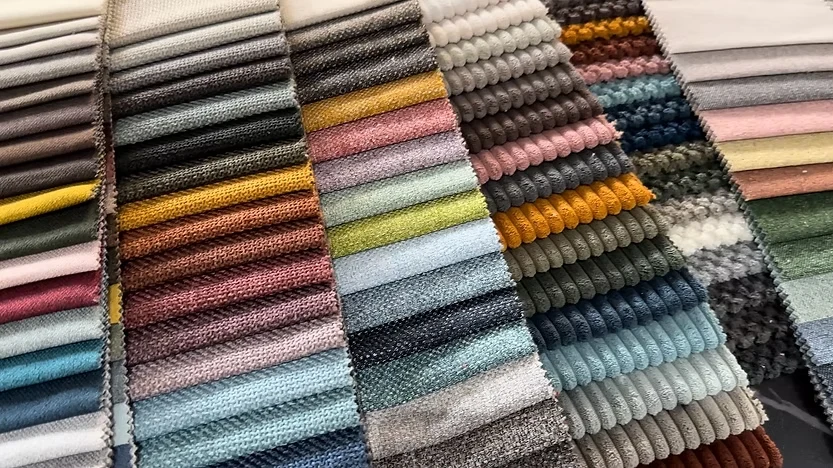
We offer a wide variety of fabrics and colours so buyers can build ranges that match different market positions, from entry-level retail to high-end contract projects. All our fabrics carry OEKO-TEX STANDARD 100 certification, which means they have been tested for harmful substances, are formaldehyde free and are safe enough for baby-sensitive environments. For European buyers, this certification is not just a label. It is a practical way to reduce compliance risk and give end customers confidence in the product.
On the sustainability side, we also offer a fabric made from recycled plastic bottles, which supports buyers who want to build more environmentally responsible collections. This option aligns with European sustainability priorities and gives your product range a stronger story without sacrificing performance.
Behind the fabric itself, our factory uses professional equipment such as automated cutting machines to batch-cut fabrics accurately and consistently. This equipment helps us maintain quality across large orders, reduce waste and keep production efficiency steady. Our factories also follow BSCI social compliance standards, with proper worker training and protective equipment for different roles, including cut-resistant gloves for fabric cutting staff and respiratory protection for workers handling glues. The glues we use are environmentally friendly and formaldehyde free, which fits with the overall safety standards of our finished products.
What this means for you as a buyer is that when you work with ASKT, you are not just choosing from a fabric catalogue. You are working with a manufacturing partner that understands why fabric performance matters, tests it properly and can explain the trade-offs between different options. We do not push every buyer towards the most expensive fabric. We help you choose the fabric that fits your market, your price point and your long-term commercial goals.
FAQ About Easy-Clean Durable Dining Chair Fabrics
What makes a dining chair fabric easy to clean and durable?
An easy clean durable dining chair fabric combines several practical properties: liquid and stain repellence so spills can be wiped quickly, strong abrasion resistance for frequent use, stable colour fastness to avoid fading, and enough breathability to remain comfortable during long meals. Quality manufacturers test each of these properties systematically before the fabric goes into production.
Why is OEKO-TEX certification important for dining chair upholstery?
OEKO-TEX STANDARD 100 certification shows that a fabric has been tested for harmful substances and meets defined safety requirements. For European B2B buyers, this signal supports product compliance, reduces quality risk and helps meet consumer expectations for safe, responsible furniture products.
What is the difference between stain resistant and waterproof dining chair fabric?
Stain resistant dining chair upholstery fabric prevents common spills from soaking in quickly, making cleaning easier before a mark sets in. Waterproof fabrics add a stronger liquid barrier, but breathability and feel can differ. For most dining use, buyers balance stain repellence, durability, breathability and touch rather than choosing extreme waterproofing alone.
How should I evaluate an abrasion resistant fabric for dining chairs?
Start by asking for abrasion test results rather than relying on marketing claims. Then consider the actual use case: family retail ranges need solid durability, while restaurant and contract projects may need higher performance. Also check colour fastness, seam behaviour and how the fabric feels after repeated cleaning, because practical durability is about more than one test number.
Can a breathable easy clean chair fabric supplier also support OEM customization?
Yes, many professional suppliers offer customization of colours, textures and related fabric options if volumes make it viable. For European buyers, the key is to work with a partner that understands market preferences, can provide transparent testing and can keep quality consistent across repeat orders.
Final Checklist for Fabric Sourcing Decisions
When you are comparing an easy clean durable dining chair fabric manufacturer for your next collection, use this simple checklist to make sure you cover the essentials. It will help you move beyond surface-level claims and focus on the factors that affect product success in the European market.
- Confirm which performance properties are most important for your target customers, whether that is stain resistance, abrasion resistance, breathability or colour fastness.
- Ask for test reports and make sure they cover the properties you care about, not just one headline feature.
- Check whether the manufacturer holds relevant safety certifications such as OEKO-TEX STANDARD 100 and can support your compliance needs.
- Evaluate the breadth and flexibility of the fabric range, including colour options, customization possibilities and suitability for different price points.
- Ask about production consistency, quality control processes and how the manufacturer handles large orders and repeat batches.
- Consider sustainability options such as recycled materials, because these can strengthen your ESG story and appeal to European buyers.
- Compare the total commercial value, not just the unit cost, including the expected impact on returns, reorders and after-sales support.
If you are building or refreshing a dining chair range for the European market and want to discuss fabric options, testing and customization with an experienced manufacturing partner, you can request fabric samples and available material test reports. We are happy to walk you through the practical details so you can choose the right fabric for your customers and your business goals.