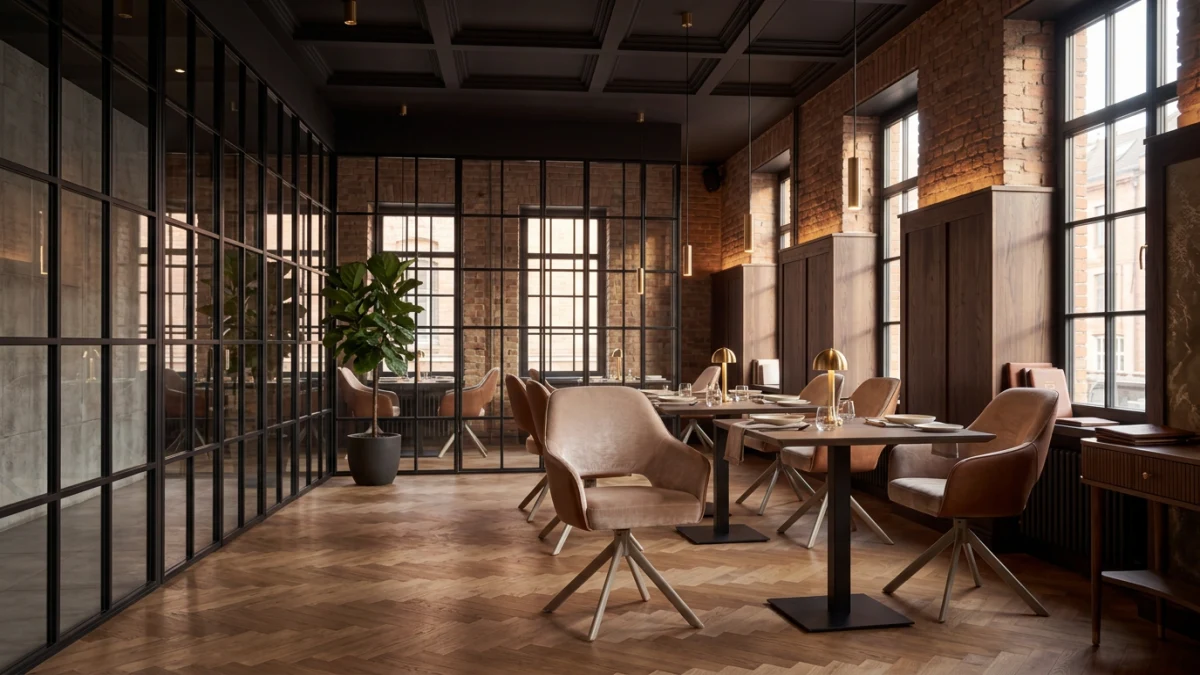
Easy Furniture Assembly & KD Engineering: The B2B Sourcing Guide to Minimising Returns
Easy furniture assembly directly protects retail profit margins and strengthens customer satisfaction by eliminating assembly errors, preventing structural instability, and reducing furniture assembly complaints. For European furniture importers, wholesalers, and e-commerce retailers, achieving high furniture assembly friendliness requires structured engineering controls: robust knockdown structures, precise frame alignments, standardized hardware, and clear visual documentation verified through factory quality control and trial assembly before export shipment.
Why Does Furniture Assembly Friendliness Directly Impact Retail Returns and Sourcing Margins?
In high-volume furniture retail and e-commerce distribution across Germany, the Netherlands, the UK, and broader European markets, assembly friction represents a major source of customer dissatisfaction and hidden operational expense. When an end customer receives a flat-pack dining chair or dining table and encounters misaligned screw holes, ambiguous diagrams, or fragile knockdown furniture hardware, the negative impact extends across the entire retail supply chain. It leads directly to product returns, replacement requests, customer service bottlenecks, and negative marketplace ratings.
From a B2B sourcing and manufacturing perspective, assembly difficulties rarely stem from end-user error alone. In most cases, they are the direct result of manufacturing inconsistency, loose component tolerances, or inadequate packaging preparation. When indoor furniture is engineered as a knockdown (KD) product to optimize container loading and freight efficiency, every joint, mounting plate, and fastener interface must connect smoothly and predictably.
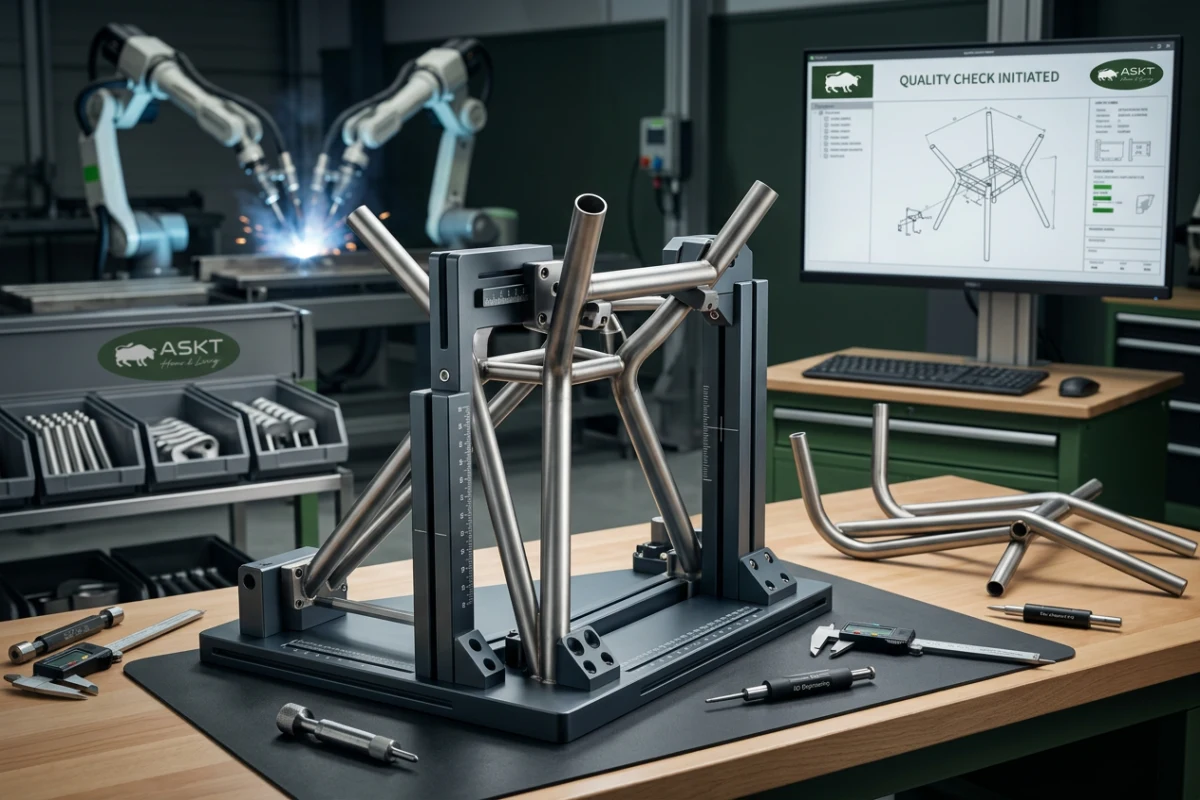
Professional purchasing teams and product managers evaluate assembly friendliness as a key quality metric rather than an incidental packaging detail. The primary commercial risks of poor assembly engineering include:
- Higher Return Volumes: Product returns in flat-pack dining furniture generate substantial reverse logistics and repackaging expenses, eroding product line profitability across retail channels.
- Increased Customer Service Workload: Unclear assembly sequences, missing bolts, or difficult fastener alignments increase customer support inquiries and replacement part dispatches.
- Marketplace Review Penalties: For e-commerce furniture brands, assembly frustration is a frequent cause of poor online reviews, which depresses customer conversion rates and reduces marketing efficiency.
- Damage to Wholesale Relationships: Retail chains and purchasing groups require consistent, reliable products. Recurring assembly defects undermine supplier trust and jeopardize ongoing catalogue listings.
| Assembly Evaluation Factor | Poor KD Engineering Impact | Precision KD Engineering Approach |
|---|---|---|
| Hole Alignment | Manual drilling variation causes misaligned mounting points | Controlled batch drilling ensures repeatable hole positioning |
| Fastener Packaging | Mixed loose hardware bags lead to missing or confused components | Clearly separated and labelled hardware packs |
| Metal Frame Tolerances | Frame distortion prevents seat and leg alignment | Precision frame fabrication maintains consistent angles and dimensions |
| Assembly Process | Complicated multi-step procedures requiring diverse tools | Intuitive, simplified sequences or toolless furniture assembly |
| Joint Rigidity | Insecure joints lead to wobbling or structural instability | Reinforced mounting plates and durable knockdown furniture hardware |
How Do Precision Knockdown Furniture Hardware and Tolerances Prevent Customer Assembly Errors?
Knockdown furniture hardware provides the mechanical connection that ensures flat-pack dining chairs, dining tables, bar chairs, and lounge chairs remain stable throughout their service life. In KD furniture manufacturing, minor dimensional variations during metal fabrication or wooden substrate cutting can compound into significant alignment problems during final setup. If mounting holes on a metal base deviate from the pre-drilled holes in an upholstered seat shell, the customer is forced to force fasteners into place, leading to cross-threading, stripped inserts, or uneven leg balance.
To achieve easy furniture assembly, manufacturing facilities must prioritize repeatable production processes. Consistent hole placement in seat bases and precision fabrication of metal frames ensure that mounting plates line up naturally without requiring excessive force or manual manipulation.
Professional buyers evaluate several hardware and structural details during supplier audits and product development:
- Durable Threaded Inserts: Using pre-installed metal threaded inserts within seat structures rather than relying on direct wood screws prevents thread stripping and allows repeated tightening without damaging the substrate.
- Standardized Fastener Specifications: Minimizing the variety of bolt lengths and diameters within a single product ensures that users cannot accidentally insert an incorrect bolt into a shallow mounting hole.
- Guided Bolt Positioning: Bevelled or clear clearance holes in metal frame plates guide bolts smoothly into the receiving threads, minimizing the risk of cross-threading during manual fastening.
- Secure Fastening Connections: Utilizing appropriate washers and secure fastener interfaces maintains joint tightness under dynamic dining use, preventing the loosening and wobbling that often generate customer warranty claims.
What Makes Toolless Furniture Assembly and Modular KD Systems Commercially Viable for Importers?
Toolless furniture assembly offers an effective approach to eliminating assembly friction and improving end-customer satisfaction. By utilizing engineered interlocking brackets, slide-in joints, or quick-connect subframes, toolless mechanisms allow consumers and contract installers to assemble dining chairs and tables without using Allen keys, wrenches, or screwdrivers.
For European furniture wholesalers, contract buyers, and e-commerce importers, toolless designs deliver measurable logistical and operational benefits. Beyond reducing furniture assembly complaints, toolless configurations accelerate showroom setup, simplify trade customer handling, and lower customer service inquiries regarding missing tools or fasteners. When combined with modular design principles—such as standardized seat shells that fit multiple metal frame options—retailers can offer broad aesthetic variety with streamlined inventory management.
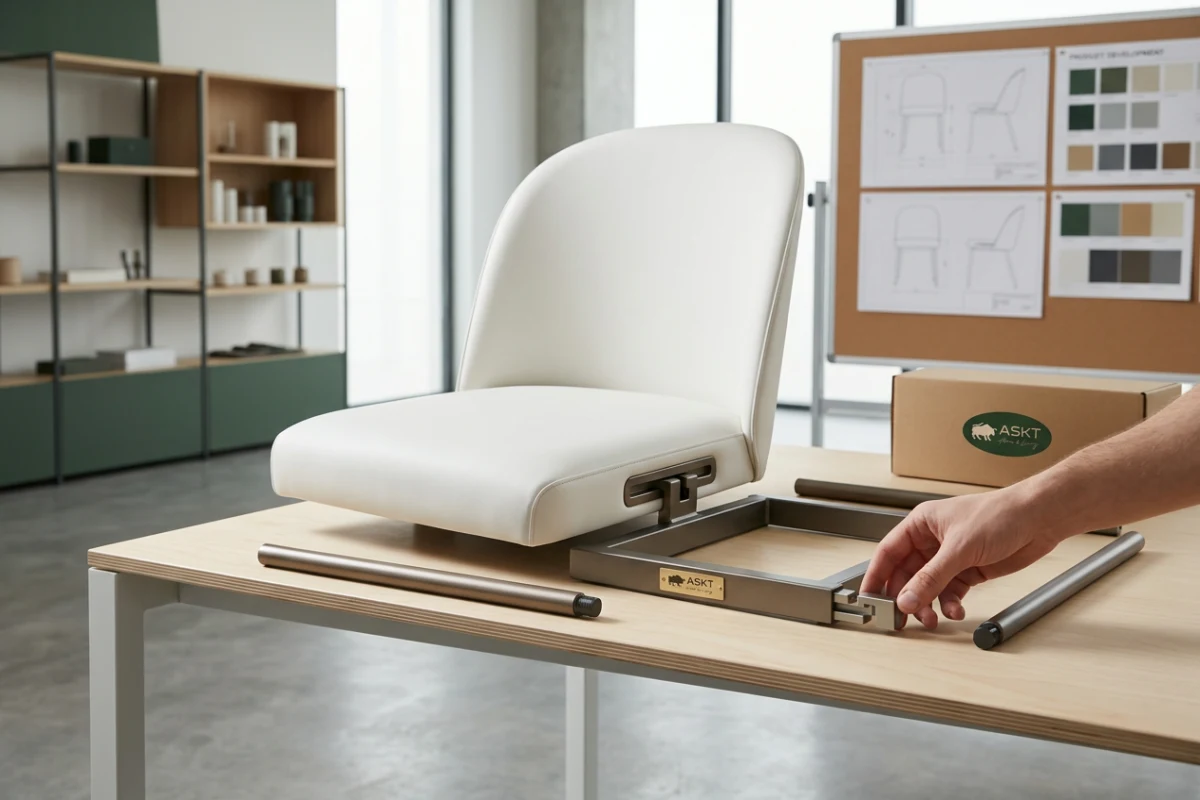
When evaluating structural options, professional buyers consider the trade-offs between traditional bolt-assembled KD systems, modular subframes, and toolless connection methods:
| Technical Attribute | Traditional Multi-Bolt KD | Modular Standardized KD | Toolless Furniture Assembly |
|---|---|---|---|
| Setup Time | Moderate assembly time per item | Fast assembly time per item | Rapid assembly in minimal steps |
| Tool Requirements | Requires standard hex keys or wrenches | Simplified tool requirements | Zero tools required for setup |
| Fastener Management | Hardware packs require verification | Standardized hardware sets | No loose fasteners required |
| Structural Performance | Relies on correct bolt torque | Engineered load distribution across frame | Interlocking rigidity under load |
| Logistics Density | High flat-pack container loading | Optimized packaging dimensions | High packaging and container efficiency |
| Customization Flexibility | Standard SKU structure | High interchangeability across frames and shells | Specialized connection mechanisms |
Modular KD structures allow product managers to pair diverse upholstered seating bodies with various base styles, such as four-leg metal frames, cantilever frames, swivel mechanisms, or auto-return bases. This standardization ensures that assembly principles remain consistent across an entire collection, simplifying both warehouse handling and customer communication.
How Should B2B Buyers Evaluate Factory QC and Trial Assembly Before Mass Shipment?
Ensuring consistent furniture assembly friendliness across large production volumes requires structured quality control and rigorous trial assembly procedures. Sample approval alone does not guarantee batch consistency; factories must maintain strict process controls throughout mass production to prevent dimensional drift caused by tooling wear, material variance, or frame fabrication tolerances.
In dining chair and dining table manufacturing, consistent quality control protocols protect importers from receiving batches with misaligned components or incomplete hardware packages.
Professional purchasing teams should verify the following quality control practices during supplier selection and factory inspections:
- Frame Dimensional Verification: Metal chair frames, table understructures, and swivel mechanisms must be inspected against master templates to ensure consistent leg spread, level contact, and accurate mounting hole placement.
- Regular Trial Assembly Testing: Factory quality control personnel should conduct trial assemblies on random units pulled from the production line. This process verifies that components fit together smoothly using only the included hardware and standard instructions.
- Component Interchangeability Checks: Quality control teams should test interchangeable parts from different production lines to ensure that seat shells and metal bases fit together seamlessly across the entire batch.
- Hardware Kit Verification: Hardware packs must undergo thorough counting and verification processes prior to packaging to ensure that all necessary bolts, washers, glides, and tools are included in every carton.
- Packaging and Transit Protection: Packaging designs should undergo transit testing to confirm that protective materials, such as honeycomb paper and reinforced edge protection, prevent mounting plates and frame joints from bending or deforming during ocean transport and warehousing.
What Sourcing Strategies Effectively Assist in Reducing Furniture Assembly Complaints in European E-Commerce?
European e-commerce retailers operating in markets like Germany, the UK, the Netherlands, and Switzerland face high customer expectations regarding product usability and setup clarity. When a flat-pack dining chair or dining table arrives at a consumer's home, clear visual instructions and straightforward hardware layouts are essential to achieving a positive unboxing experience.
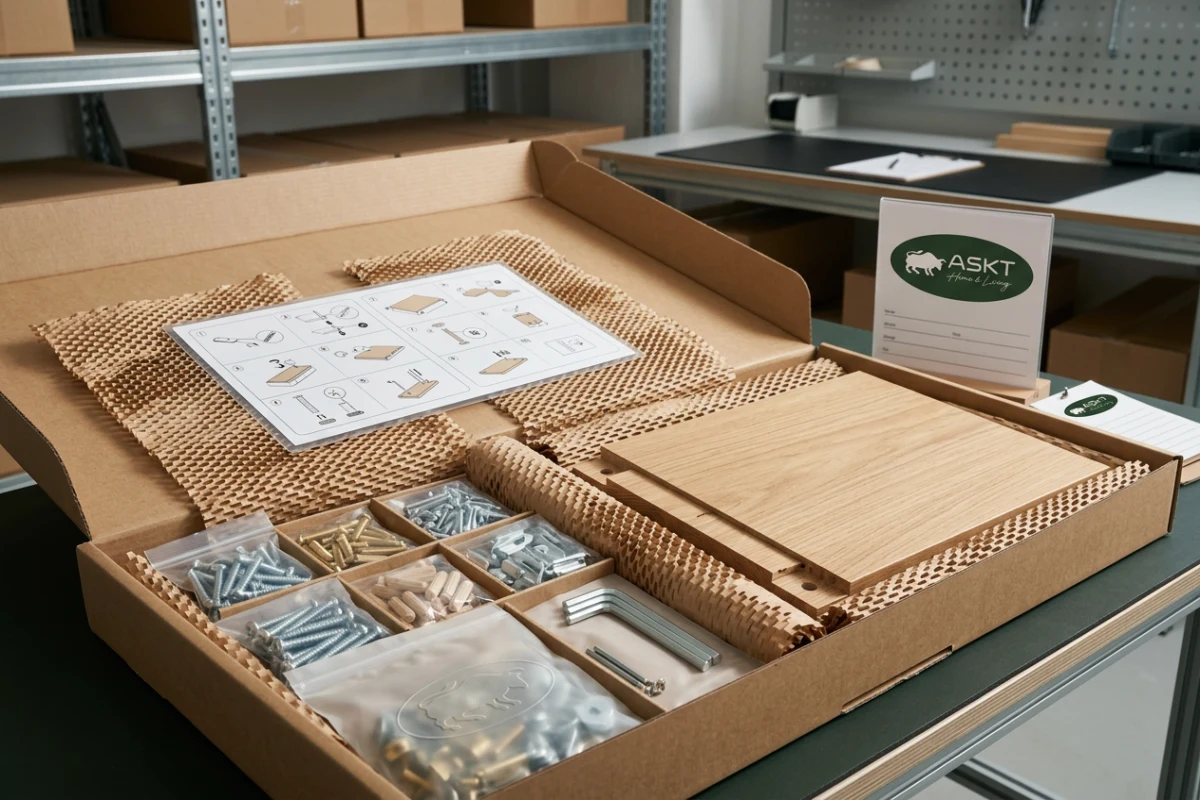
To achieve measurable success in reducing furniture assembly complaints, sourcing directors and retail product teams should implement practical engineering and documentation strategies:
- Clear Visual Assembly Manuals: Replace dense, complex text with clear, step-by-step line illustrations that clearly display part orientation, front-to-back alignment, and fastener placement.
- Asymmetrical Assembly Prevention: Design mounting plates and connection points so that parts can only be assembled in the correct orientation, preventing users from installing bases or brackets backwards.
- Organized Hardware Packaging: Provide clearly separated and labelled hardware compartments so that customers can instantly identify the correct bolt or washer for each assembly step.
- Inclusion of Spare Hardware: Including a small spare parts pack with extra bolts, washers, and floor glides ensures that the loss of a single component during setup does not lead to an immediate customer return or service request.
- Pre-Assembled Subcomponents: Pre-assembling complex mechanisms, such as swivel plates, auto-return mechanisms, or extension table slide systems at the factory level, reduces consumer effort and eliminates technical assembly errors.
- Protective Packaging Design: Optimizing inner carton layouts with sustainable protective packaging, such as honeycomb paper structures and reduced plastic materials, safeguards structural components and frame geometry against transit damage.
How Does ASKT Support Reliable Knockdown Furniture Engineering and European Sourcing?
ASKT approaches furniture assembly friendliness as a foundational element of supply chain reliability and manufacturing quality. As a dedicated B2B indoor furniture manufacturer based in China with over 20 years of industry experience, ASKT supports furniture wholesalers, retail chains, importers, e-commerce brands, and contract buyers across Germany, the Netherlands, the UK, Poland, Switzerland, Ireland, and other European markets.
ASKT focuses on practical manufacturing solutions that address the operational priorities of commercial buyers, including product consistency, packaging optimization, container loading efficiency, and long-term durability. By specializing in dining chairs, dining tables, bar chairs, lounge chairs, dining benches, coffee tables, and office desks, ASKT integrates robust knockdown engineering across diverse product categories.
Key manufacturing and structural capabilities at ASKT include:
- Precision Metal and Frame Fabrication: Controlled manufacturing processes ensure accurate alignment between metal frames, swivel mechanisms, auto-return components, and upholstered seat shells.
- Material and Upholstery Expertise: Manufacturing covers upholstered seating with pocket spring options, durable metal frames with powder coating finishes, sintered stone, and oak veneer surfaces, supported by high-performance fabrics selected for colour fastness, abrasion resistance, waterproof properties, and easy-clean maintenance.
- Modular Product Development: OEM and ODM capabilities allow buyers to customize dimensions, fabrics, finishes, and frame structures while maintaining standardized, intuitive KD connections across collections.
- Structured Quality Control: Factory trial assembly procedures and systematic dimensional inspections verify that finished goods assemble smoothly and maintain structural stability prior to container loading.
- Sustainable Packaging Solutions: Packaging optimization balances container space utilization with protective materials, utilizing reduced plastic packaging and sustainable honeycomb paper solutions to safeguard products throughout international logistics.
By combining technical manufacturing expertise with a thorough understanding of European market requirements, ASKT helps professional furniture buyers reduce sourcing risks, minimize customer returns, and achieve dependable commercial performance.
If you are reviewing your collection engineering or looking to optimize knockdown structures for your product line, have your assembly requirements reviewed with ASKT to ensure stable, reliable manufacturing for your European market.
Frequently Asked Questions
How does knockdown (KD) furniture design improve shipping and warehousing efficiency?
Knockdown (KD) furniture design allows bulky products like dining chairs and dining tables to be packed flat in compact cartons, eliminating empty volume during transit. This significantly improves container loading density, enabling more units per shipping container compared to fully assembled furniture. Higher container density lowers per-unit shipping costs, optimizes warehouse storage capacity across European logistics hubs, and reduces overall packaging volume.
What are the main causes of stripped threads during knockdown furniture assembly?
Stripped threads during furniture assembly generally occur when mounting holes on metal bases and seat structures are misaligned, forcing fasteners to enter at an angle and causing cross-threading. Another common cause is the use of direct wood threading instead of pre-installed metal threaded inserts. When components are manufactured with precise hole alignment and durable metal inserts, fasteners thread smoothly and securely by hand before final tightening.
What is the difference between toolless furniture assembly and standard KD assembly?
Standard KD assembly requires the user to fasten components together using bolts, washers, and hand tools such as hex keys or wrenches. In contrast, toolless furniture assembly utilizes engineered slide brackets, interlocking joints, or quick-connect subframes that securely lock components together without loose fasteners or tools. Toolless designs significantly reduce setup time, eliminate missing hardware issues, and simplify the unboxing process for end consumers.
How does factory trial assembly help reduce customer assembly complaints?
Factory trial assembly serves as an essential quality control checkpoint where inspectors manually assemble finished units sampled directly from the production line. This process confirms that hole alignments, frame dimensions, threaded insert depths, and hardware pack contents match technical specifications. Conducting trial assemblies prior to carton sealing and container loading allows manufacturers to identify and correct dimensional variances before products reach European distribution networks.