Good Fabric for Dining Chairs: A Practical B2B Guide for European Furniture Buyers
If you have worked in furniture sourcing long enough, you know the most expensive product mistakes rarely happen because the legs are slightly different from the sample. They happen because the fabric fails in real life. A chair that looks perfect in the showroom can start to show wear after a few months of family dinners, restaurant shifts or office use, and suddenly you are dealing with returns, complaints and a damaged relationship with your customer. This is why selecting good fabric for dining chairs is never just a design decision. It is a commercial decision, a quality decision and a risk-management decision all in one.
For European B2B buyers, the challenge is not finding a fabric that looks nice. It is finding a fabric that works for your specific channel, whether you supply retail chains, e-commerce brands, hospitality projects or contract furniture clients. The fabric that works for a boutique hotel lobby may not be the right choice for a high-turnover family restaurant, and the fabric preferred by design-led customers may not survive everyday family use. The more clearly you understand the performance trade-offs, the better you can build a collection that sells well and keeps your reputation intact.
In this guide, we break down the practical factors that matter when evaluating dining chair upholstery, how to match fabric performance to different use cases, and what questions to ask your manufacturer before placing an order. The goal is not to tell you there is one perfect fabric for every situation. The goal is to help you make an informed choice based on your own customers, pricing level and long-term commercial goals.
Why Dining Chair Fabric Quality Directly Affects B2B Business Results
It is easy to underestimate how much of a dining chair's perceived quality comes down to fabric. When an end customer sits down, the first thing they notice is not the metal frame underneath or the pocket spring structure inside. They notice how the fabric feels, whether it stays cool during a long meal, and whether they are nervous about spilling something on it. For furniture buyers, those first impressions translate directly into sell-through rates, review scores and repeat orders.
From a purely business perspective, fabric-related issues are among the most common reasons for customer complaints in upholstered dining furniture. Stains that will not come out, pilling after a few months of use, colours that fade in sunlight or material that feels sticky in warm weather all create friction between you and your customer. The cost of replacing fabric on a completed chair is far higher than choosing the right material at the start of the product development process.
This is especially true for buyers serving the European market, where end customers and project clients increasingly expect products to be durable, safe and responsibly made. A chair that uses cheap fabric may look competitive on a price list, but it can quickly erode trust with retailers, hotel operators and restaurant owners who need furniture that lasts. Good fabric for dining chairs, in other words, is not an upgrade. It is the foundation of a commercially reliable product line.
The Three Core Performance Factors of Good Dining Chair Fabric
When you compare fabric options with a manufacturer, the conversation usually revolves around look and feel first. But for a professional buyer, there are three performance factors that will determine whether the fabric succeeds in the real world: cleanability, abrasion resistance and breathability. Each one affects the customer experience in a different way, and the best fabrics balance all three rather than maximising one at the expense of the others.
Easy Clean Performance for Daily Use and High-Traffic Settings
One of the first questions customers ask about upholstered dining chairs is whether they are easy to keep clean. This is true for families with children, pet owners, and almost every hospitality or contract buyer. A dining chair is used near food and drinks, so spills are not a rare event – they are practically guaranteed. That is why easy clean dining chair fabric has become such an important feature for European furniture collections.
Good stain-resistant fabrics work by preventing liquid and oil from penetrating the surface quickly, giving the user time to wipe the spill away before it becomes a permanent mark. The quality of this performance varies a lot between suppliers. Some fabrics are treated with a surface coating that wears off after a few cleans, while others are built with fibre structures or molecular-level coatings that retain their stain resistance for much longer. For B2B buyers, the difference matters because it directly impacts how long the product stays looking new in a customer's home or business.
That said, there is a common misconception that easy-clean fabrics all feel like plastic. Many buyers have had the experience of sitting on a chair that repels coffee beautifully but feels stiff, unnatural and uncomfortable for anything longer than a quick meal. Modern performance fabrics have come a long way in this respect, and it is now possible to find options that feel soft and look premium while still offering strong stain resistance. The key is to evaluate the fabric in person or through a physical sample rather than relying only on a technical description on paper.
Abrasion Resistant Upholstery for Long-Term Durability
While cleanability is the most obvious concern, abrasion resistance is the factor that determines how the chair looks after months or years of regular use. Abrasion resistant upholstery for dining chairs resists pilling, thinning and surface wear caused by people sitting down, shifting position and getting up again. For retail buyers, this means fewer warranty claims. For contract and hospitality buyers, it means the chairs maintain a professional appearance even with daily, high-frequency use.
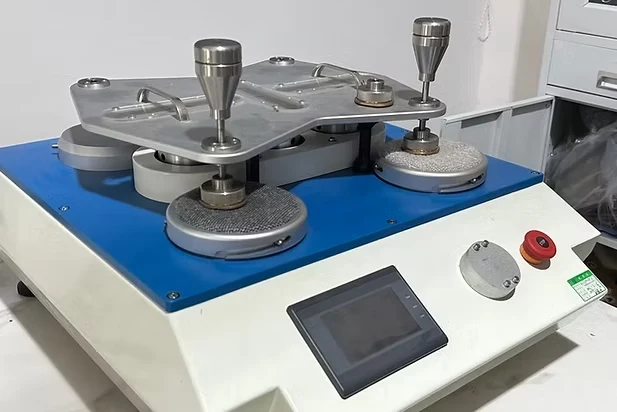
Abrasion resistance is usually measured through repeated rub testing, where a machine rubs the fabric in a controlled pattern until visible wear appears. Higher performance is generally better, but it is important to match the level to your actual use case. A fabric designed for extremely heavy commercial use may feel rougher or cost more than you need for a residential retail collection. On the other hand, choosing a delicate fabric for a busy restaurant project will almost always lead to disappointment.
From a sourcing perspective, one of the biggest mistakes buyers make is selecting fabric based only on colour and price, without checking how it will hold up over time. A slightly higher fabric cost per chair can easily pay for itself through reduced returns, longer product life and stronger customer loyalty. For B2B furniture collections, durability is not a feature – it is part of the product's basic value proposition.
Breathable Dining Chair Fabric for Comfort During Long Meals
Breathability is the performance factor that many buyers forget about until they start receiving customer feedback. A breathable dining chair fabric allows heat and moisture to pass through the surface, so the sitter does not feel sticky or overly warm, even after sitting for an extended period. This may sound like a minor detail, but it has a surprising effect on how comfortable people perceive a chair to be.
The importance of breathability depends on your market and customer profile. In northern European climates, it may be less of an issue during the winter, but during warmer months or in well-heated restaurants and offices, it can become a noticeable comfort factor. For buyers targeting family households or customers who host dinner parties, a fabric that stays comfortable for two or three hours at the table is a much stronger selling point than one that looks good but feels unpleasant to sit on.
The trade-off between stain resistance and breathability is one of the most common challenges in fabric selection. Heavier surface coatings can improve cleanability but reduce air flow, while highly breathable fabrics may absorb spills more easily. The best fabric solutions manage this balance through structural design – for example, by using micro-ventilation channels within the fabric itself rather than relying purely on a surface treatment. This is also why it is valuable to work with a manufacturer that understands fabric engineering and can explain the real-world differences between options.
How to Match Fabric Performance to Your Specific Use Case
Good fabric for dining chairs is not a universal standard. What works for one buyer may be completely wrong for another, depending on who your end customer is and how the chair will be used. Before you approve a fabric for production, it is worth thinking carefully about the primary use case and which performance factors matter most for that scenario.
For residential retail and e-commerce collections, the priorities are usually balanced. Customers want something that looks good, feels comfortable, and can handle the occasional spill. Breathability matters because people use dining chairs for family meals, work-from-home sessions and social gatherings. Abrasion resistance is important, but it does not need to meet commercial-grade levels unless your target market specifically includes families with young children or pets. In this segment, fabrics that combine easy-clean performance with a soft, premium hand feel tend to perform best.
For hospitality and contract projects, durability moves to the top of the list. Restaurant chairs, café seating and hotel dining areas see far more use than a typical home dining set, so abrasion resistant upholstery for dining chairs is essential. Cleanability is equally critical, because staff need to be able to wipe down chairs quickly between sittings. In these environments, breathability is still important for guest comfort, but it is usually secondary to durability and cleanability. Project buyers should also pay close attention to colour fastness, especially if the chairs will be placed near windows or under strong indoor lighting.
For design-led and premium retail collections, the visual quality and tactile feel of the fabric are central to the product's value. Here, the challenge is finding a fabric that looks and feels luxurious without sacrificing practicality. A beautiful fabric that stains easily or wears quickly will still generate complaints, even from customers who bought the chair primarily for its appearance. The best approach is to set a minimum performance baseline for cleanability and abrasion resistance, then choose the most visually suitable option within that range. This way, the product matches the brand's aesthetic identity while still meeting the practical expectations of the end customer.
Quality Tests and Certifications That Matter for European Buyers
When you are comparing fabric options from different manufacturers, it can be difficult to know whether the stated performance is real or just marketing. This is where testing and certification become valuable. They give you an independent, verifiable way to assess whether a fabric meets the requirements of your market.
Common Fabric Performance Tests
There are three basic tests that every fabric intended for dining chair use should undergo. The first is an abrasion resistance test, which measures how well the fabric withstands repeated rubbing and surface wear. The second is a colour fastness test, which checks whether the dye remains stable when exposed to light, rubbing or cleaning products. Poor colour fastness can lead to fading on sunlit chairs or colour transfer onto clothing. The third is a breathability test, which measures how well air can pass through the fabric structure.
A manufacturer that takes fabric quality seriously will be able to share test results for these performance areas and explain what the numbers mean in practical terms. If a supplier cannot provide basic test data, it becomes much harder to predict how the fabric will perform in real customer environments, and that introduces unnecessary risk into your sourcing decision.
OEKO-TEX Certification and Fabric Safety
For European furniture buyers, one of the most important textile certifications is OEKO-TEX STANDARD 100. Working with OEKO-TEX certified dining chair fabric gives you greater confidence that the material has been tested for harmful substances and meets widely recognised safety standards. This is relevant not just for health and safety reasons, but also from a commercial perspective. European end customers are increasingly aware of textile certifications, and many retail chains and project clients now require them as part of their procurement criteria.
It is worth noting that certification is only meaningful if it applies to the actual fabric used in production, not just a similar material from the same supplier. When you evaluate a manufacturer, ask whether the specific fabric you are considering is covered by the certification, and whether the certificate is up to date. This is a simple check that can save you from compliance issues and product recalls later on.
Sustainable Fabric Options
Another factor that is growing in importance for European buyers is sustainability. Fabrics made from recycled materials, such as recycled plastic bottles, are becoming more common in furniture collections because they align with consumer and regulatory expectations around circularity and environmental responsibility. For B2B buyers, offering a sustainable fabric option can be a way to differentiate your collection, appeal to ESG-focused customers and respond to European green policy trends.
As with any product feature, it is important to verify the claims behind sustainable fabrics. A reliable manufacturer will be able to explain the composition of the material, the production process and any supporting documentation. The goal is not just to have a sustainability story to tell, but to have one that stands up to customer questions and market scrutiny.
What to Ask Your Manufacturer Before Approving Fabric
A fabric can look great on a swatch and still cause problems once it is on a production line of dining chairs. Before you commit to a material, there are a few practical questions you should ask your manufacturer to make sure the fabric is suitable for your product and your market.
First, ask for physical samples, not just digital images or technical data sheets. Fabric is a tactile material, and the way it looks on screen can be very different from how it looks and feels in real life. If possible, test the sample with common spills such as coffee, red wine or oil-based food to see how easy it really is to clean. This simple test can reveal a lot about whether the fabric's easy-clean performance matches its description.
Second, ask which tests the fabric has passed and whether the test data corresponds to the exact fabric variant and colour you intend to use. Dyes and surface treatments can vary between colours, so test results for one colour do not automatically apply to the entire range. This is a detail that is easy to overlook, but it can have a big impact on real-world performance.
Third, ask about customisation options such as colour matching, fabric composition and minimum order quantities. If you are building a private label collection or a bespoke project range, you may need specific colours or performance levels that are not part of the standard offering. A manufacturer with strong OEM and ODM capability can usually work with you to develop a fabric solution that fits your brand and your customers, provided the volume and timing are realistic.
Fourth, ask how the fabric interacts with the chair structure. Some fabrics are stiffer than others and may affect the way padding and upholstery look once fitted. Certain easy-clean coatings can also be more sensitive to sharp edges or stapling techniques during production. An experienced manufacturer will be able to tell you whether a particular fabric is a good match for the chair model you have in mind, and whether any production adjustments are needed to achieve the best result.
Finally, ask about consistency of supply. For buyers who need repeat orders over several seasons, it is important that the fabric colour and quality remain the same from one production batch to the next. Batch-to-batch variation is a common issue in textile manufacturing, and it can cause visible differences between chairs delivered in one order and the next. A manufacturer with proper quality control processes will have systems in place to manage this and keep variation within acceptable limits.
Building a Commercially Strong Dining Chair Collection
At the end of the day, good fabric for dining chairs is fabric that supports the commercial success of your collection. It should look appropriate for your price point, feel comfortable enough for your target customer, and hold up well enough to avoid unnecessary returns and complaints. It should also give you a credible story to tell, whether that story is about easy maintenance, long-lasting durability, sustainable materials or certified safety.
The biggest mistake buyers make is treating fabric as a secondary decision, chosen quickly once the frame shape and colour scheme have been decided. In reality, the fabric is the part of the chair that the end customer interacts with most directly. It is what they touch, what they see and what they judge the chair by. Investing time in selecting the right fabric, testing it properly and confirming its performance with your manufacturer is one of the most effective ways to reduce sourcing risk and build a stronger product range.
If you are currently evaluating dining chair suppliers for the European market and need support with fabric selection, customisation or quality verification, it is worth working with a manufacturer that understands the practical realities of B2B furniture supply. ASKT, for example, offers a range of performance fabrics tested for abrasion, colour fastness and breathability, with options including easy-clean, pet-friendly and OEKO-TEX STANDARD 100 certified materials, as well as recycled fabrics developed with European sustainability expectations in mind.
The key takeaway is simple: do not choose fabric based on appearance alone. Look at the full picture – cleanability, durability, breathability, certification and supply consistency – and make sure the option you choose matches the real-world needs of your customers. That is the approach that turns a good-looking dining chair into a commercially reliable product that supports your business over the long term.