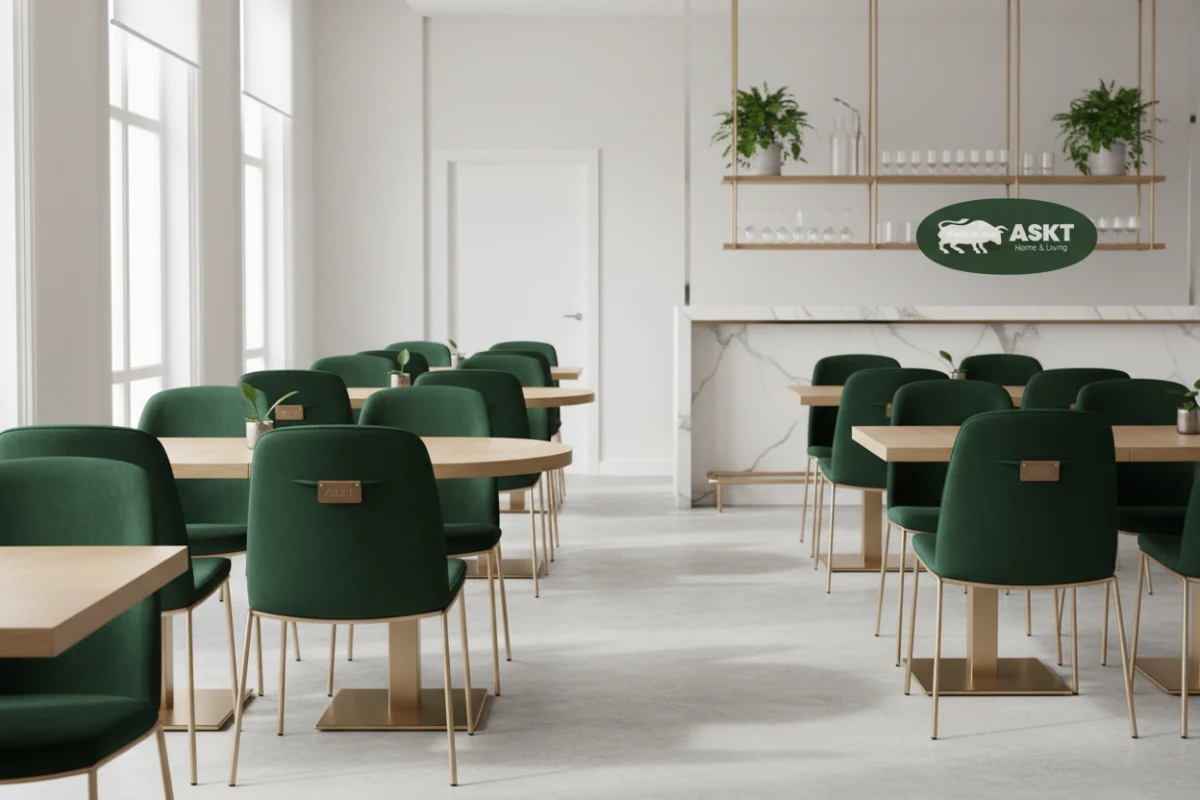
How to Choose a Reliable Hotel Dining Chair Supplier for the European Market
For European furniture importers, contract buyers, and wholesale distributors, sourcing furniture for high-traffic hospitality environments is a task defined by risk management and structural standards. Unlike residential furniture, where aesthetic appeal often dominates the purchase decision, commercial seating must endure continuous, multi-shift usage, chemical sanitisation, and varied physical loads. In markets like Germany, the Netherlands, the United Kingdom, Poland, Switzerland, and Ireland, product failure does not just mean a broken product—it carries significant liability, warranty costs, and brand damage. Therefore, selecting a competent hotel dining chair supplier is a critical operational decision for procurement managers seeking long-term commercial success.
To build a highly resilient hospitality furniture supply chain, professional buyers must look past surface-level designs and evaluate the underlying engineering, material specifications, and regulatory compliance of their manufacturing partners. Partnering with an experienced hotel dining chair supplier means understanding the mechanical testing requirements, fabric performance metrics, and logistics configurations that protect your investment over years of continuous service. This comprehensive B2B guide analyzes the essential technical parameters, quality-control processes, and factory capabilities that professional buyers must verify during the vendor evaluation process.
The Commercial Reality: Why Retail Dining Chairs Fail in Hospitality Settings
A common and costly error in commercial procurement is sourcing residential-grade dining chairs for use in public, high-volume venues. While retail furniture is designed to withstand light, intermittent use by a single family, commercial chairs are subject to near-constant movement, lateral stresses, and abrupt weight shifts. Guests frequently drag chairs across diverse flooring types, lean back on the rear legs, or drop heavy luggage against the frame.
When a standard domestic chair is placed in a hotel dining room, structural degradation happens rapidly. Common points of failure include the loosening of dowels and wood screws under lateral shear forces, the structural sagging of low-density polyurethane seat foam, and the quick wearing or tearing of non-commercial upholstery. In a busy hotel breakfast room or restaurant, a single structural failure can lead to safety hazards, costly replacement cycles, and negative reviews that directly impact the venue's revenue.
To prevent these issues, procurement teams must work directly with a specialized contract dining chair manufacturer. Contract-grade chairs are engineered specifically to absorb multidirectional stresses. This includes reinforced metal frames, specialized joints that resist structural fatigue, high-density foam cores, and heavy-duty hardware. By understanding the mechanical differences between domestic and commercial furniture, buying groups can make informed decisions that drastically reduce overall replacement rates.
Technical Specifications to Demand from a Hotel Dining Chair Supplier
When shortlisting a prospective hotel dining chair supplier, purchasing managers should request certified technical documentation rather than relying on verbal quality guarantees. In Europe, the primary benchmark for seating safety, strength, and durability is the EN 12520 standard. This European standard specifies the minimum requirements for the strength, durability, and safety of all types of domestic and contract seating for adults.
Frame Integrity and Robotic Welding Consistency
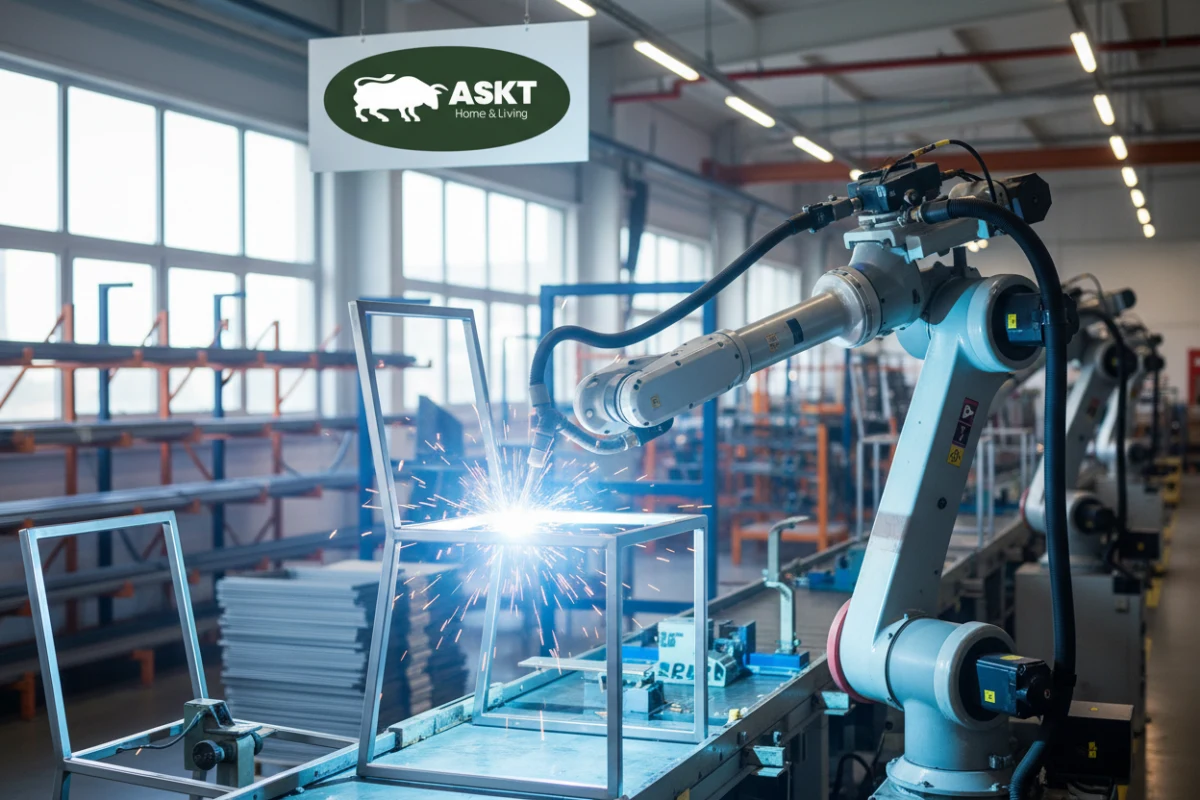
For metal-framed commercial dining chairs, the consistency of the welding joints determines the lifespan of the entire product line. Manual welding processes are inherently prone to human variation, which can introduce microscopic air pockets, thin weld spots, or inconsistent heat penetration. Over time, these structural imperfections fail under continuous weight loads.
To ensure consistent quality, a professional hotel dining chair supplier should utilize automated robotic welding systems. Robotic welding arms maintain uniform temperatures, exact wire feed rates, and highly precise weld paths. This mechanical precision guarantees that every single metal frame in a container-load order possesses identical load-bearing strength, eliminating the structural weak points that lead to on-site failure. Furthermore, the application of a durable powder coating over the treated metal frame is essential to prevent rust, chipping, and scratch damage caused by vacuum cleaners or guest footwear.
Wood and Board Processing Precision
For contemporary chairs featuring wood-veneer backs, seat shells, or wooden legs, precision milling is critical. Wood responds dynamically to environmental factors such as humidity and temperature changes, which are common in seaside hotels or alpine resorts. A reliable manufacturer must process wood utilizing automated cutting and high-precision drilling machinery.
When wooden boards are drilled manually, misalignments of even a fraction of a millimetre can cause metal bolts to cross-thread or loosen over time. Automated board punching and dedicated screw-insert machines ensure that internal metal-to-wood threads are perfectly square and secure. This precise engineering ensures that underframes, legs, and shells remain tightly connected even after years of continuous movement.
Advanced Features: Swivel and Auto-Return Mechanisms
In modern hotel bars, conference venues, and collaborative dining spaces, swivel and auto-return mechanisms have become highly sought-after. These features improve guest comfort and keep public dining spaces orderly by automatically returning chairs to their original alignment.
However, these moving parts represent high-wear points. A professional supplier must source commercial-grade swivel plates and gas-lift or tension-spring systems designed for heavy rotation. Buying teams should verify that these mechanisms undergo cycle-testing to guarantee smooth, noise-free operation without oil leakage or mechanical play under continuous rotation.
Material Engineering: Fabric Performance, Colour Fastness, and Soil Resistance
The upholstery of a commercial chair is its most exposed and vulnerable surface. Spilled red wine, coffee stains, greasy food particles, and frequent contact with chemical cleaning agents are standard challenges in hospitality dining spaces. Consequently, selecting the correct contract textile is a critical stage in the hospitality furniture supply chain.
When procuring upholstered dining chairs bulk shipments, purchasing teams must analyze technical fabric specifications across several key performance metrics:
- Abrasion Resistance (Martindale Method): For residential dining, a fabric rating of 15,000 to 20,000 rubs is typically sufficient. However, for commercial hospitality environments, professional buyers should demand fabrics that achieve a minimum of 50,000 Martindale cycles, with high-traffic areas requiring up to 100,000 cycles to prevent premature thinning, pilling, and wear.
- Colour Fastness to Light and Rubbing: Hotel dining rooms with large glass fronts expose seating to intense ultraviolet (UV) radiation. Fabric colors can fade rapidly, making the dining area look aged and neglected. Sourcing managers must verify that fabrics score high on the international colour fastness scales (such as ISO 105-B02), ensuring the textiles maintain their aesthetic vibrancy over time.
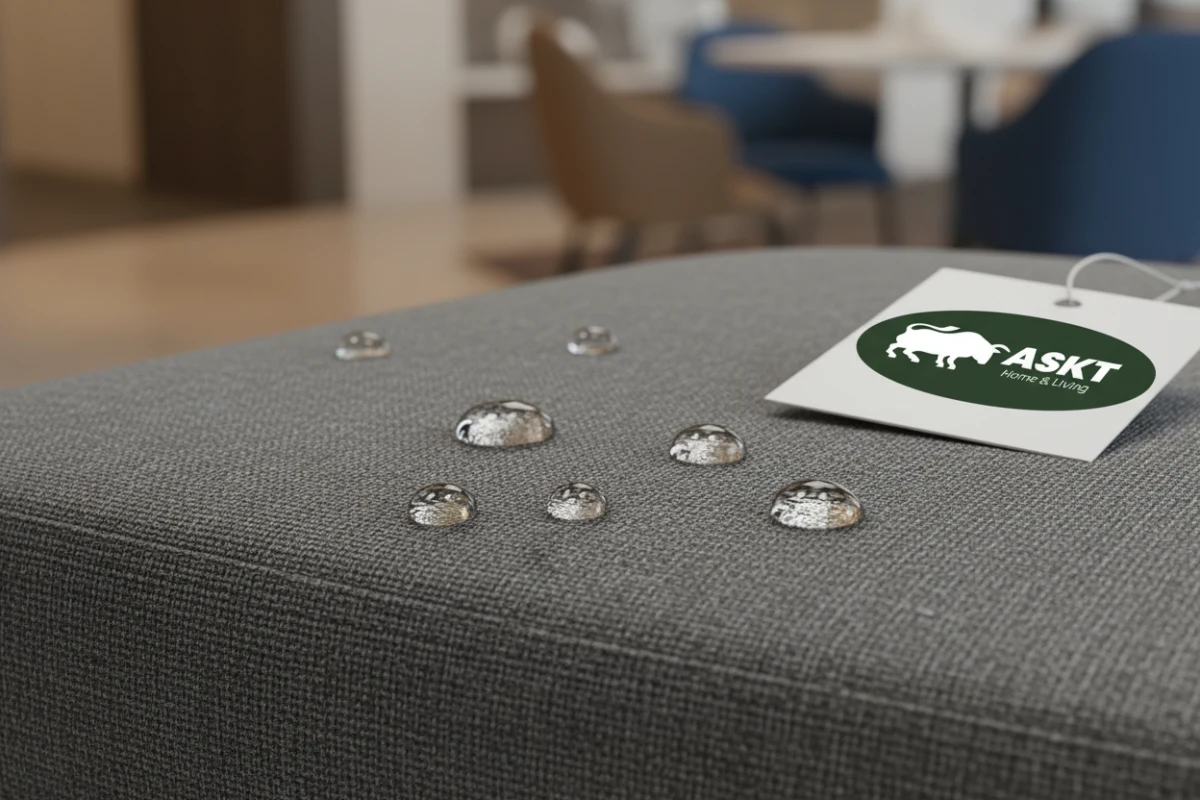
- Waterproof and Easy-Clean Properties: Performance fabrics engineered with moisture-resistant and soil-release treatments allow staff to wipe away liquid spills and food residue quickly with a damp cloth, reducing maintenance labor and preventing deep-seated bacterial growth.
- Pet-Friendly and Scratch-Resistant Weaves: In dog-friendly boutique hotels, open-weave fabrics can be easily ruined by pet claws. Tight, multi-layered flat weaves or technical microfibres prevent loops from pulling, keeping the seating surface intact.
Evaluating Manufacturing Infrastructure: Quality Control and BSCI Compliance
A reliable B2B purchasing partnership in Europe must align with strict corporate governance, environmental standards, and ethical supply chain laws, such as the German Supply Chain Due Diligence Act. European wholesalers and importers face severe financial and reputational consequences if their offshore suppliers violate labor rights or environmental rules.
Factory Auditing and Social Compliance
A critical step in evaluating a hotel dining chair supplier is verifying their social compliance status, particularly through an active BSCI (Business Social Compliance Initiative) audit. A BSCI-compliant factory demonstrates a clear commitment to fair wages, safe working hours, and ethical labor standards.
Furthermore, actual operational safety inside the factory is a clear indicator of manufacturing quality. A facility that enforces the use of personal protective equipment (PPE), provides clean air filtration in spray-painting or powder-coating zones, and implements clear safety training protocols experiences low employee turnover. This worker stability translates directly into consistent assembly practices, minimizing the human error that often plagues unmonitored factories.
Manufacturing Consistency and Inspection Protocols
Consistency across large-volume production runs is the primary marker of a professional manufacturer. When purchasing commercial dining chairs wholesale, receiving a batch where 5% of the shipment contains off-colour upholstery, misaligned leg frames, or uneven glides can disrupt a major commercial project's timeline.
To prevent this, buyers should seek suppliers who implement structured quality control systems. This includes:
- Incoming Material Inspection (IQC): Testing fabric rolls for color consistency, checking wood moisture content to prevent cracking, and verifying the wall thickness of metal tubing before production starts.
- In-Process Quality Control (IPQC): Inspecting the first assembled units from each batch to confirm structural dimensions and alignment before proceeding with mass assembly.
- Final Quality Control (FQC): Rigorously testing completed chairs for stability, checking for surface defects, and verifying that the final dimensions match the approved B2B samples.
KD Structures and Packaging Optimization: Reducing Sourcing Costs and Transit Damage
International logistics costs represent a major variable in the landed cost of furniture imports. For wholesalers and retail chains, optimizing container space is just as important as reducing the factory unit price.
Knock-Down (KD) vs. Assembled Structures
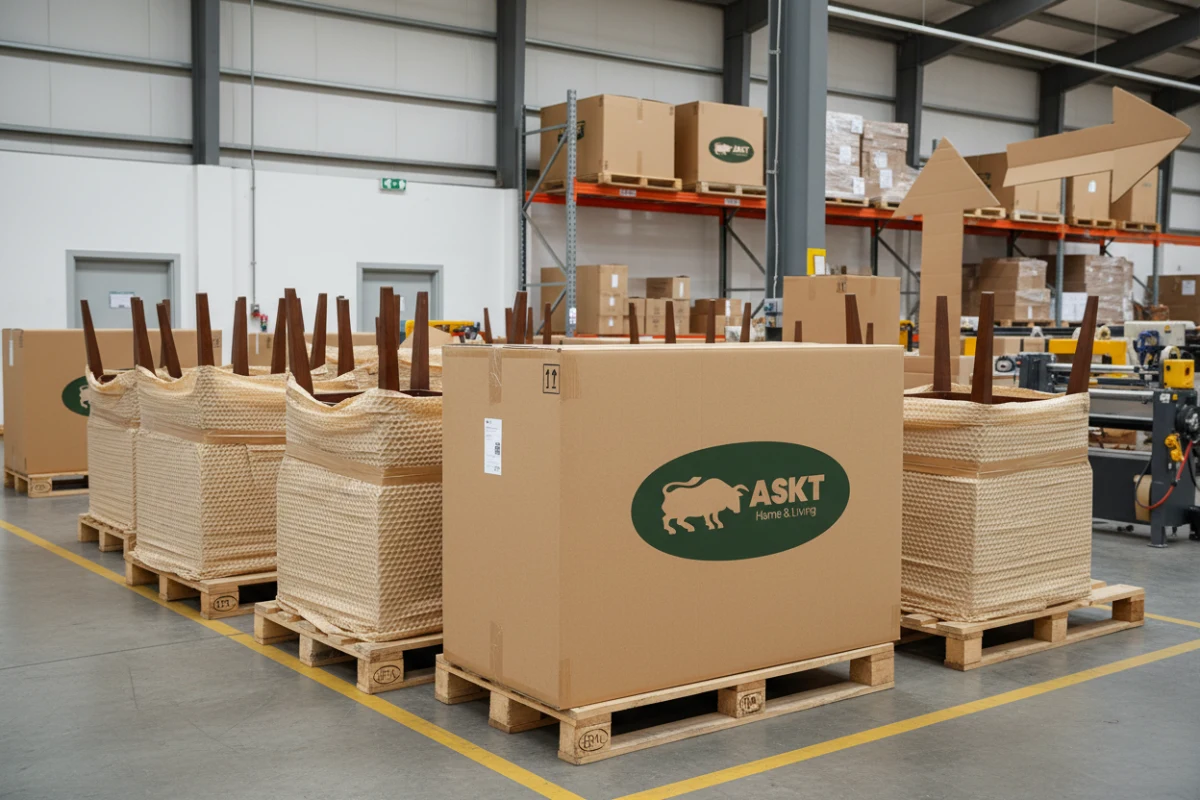
Shipping fully assembled chairs means paying high freight rates to transport empty air. To maximize loading volume, professional manufacturers offer high-quality Knock-Down (KD) structural options. A well-engineered KD chair is shipped flat-packed, allowing up to three times as many units to fit into a single 40ft High Cube container compared to fully assembled alternatives.
However, KD structures present their own challenges. If the assembly process is complicated, or if the hardware holes do not align perfectly, on-site installation teams will spend valuable hours correcting the issues, erasing any freight savings. A professional contract dining chair manufacturer designs KD connections with heavy-duty metal inserts and pre-aligned bolt pathways, ensuring that assembly is fast, secure, and structurally indistinguishable from an assembled chair.
Sustainable and Protective Packaging
During transit, furniture is subject to continuous vibrations, humidity fluctuations, and rough physical handling at port facilities. Traditional packaging methods rely heavily on single-use plastics and expanded polystyrene (EPS) foam blocks. However, under modern European packaging waste regulations, commercial buyers are increasingly penalized with high disposal fees for non-recyclable packaging materials.
To address this, leading suppliers are shifting toward sustainable packaging solutions, such as high-density honeycomb cardboard and biodegradable paper protection. Honeycomb paper provides exceptional shock absorption and corner protection, keeping metal parts and delicate upholstery safe from compression damage during long ocean voyages, while remaining completely recyclable and compliant with strict European environmental targets.
B2B Supplier Evaluation Checklist for Purchasing Managers
To streamline the supplier selection process, purchasing managers can utilize the following structured checklist when evaluating potential partners for high-volume commercial dining chairs wholesale projects:
| Evaluation Area | Specific Sourcing Criteria to Verify | Business Value for B2B Importers & Wholesalers |
|---|---|---|
| Structural Durability | Performance testing reports confirming compliance with EN 12520 standards. | Ensures product safety, minimizes liability risks, and reduces product return rates. |
| Welding & Frame Tech | Use of automated robotic welding and thick-walled metal tubing with powder coating. | Guarantees identical structural joint strength and prevents rust or structural failure. |
| Fabric Performance | Martindale ratings of 50,000+ rubs; certified colour fastness; waterproof/easy-clean options. | Lowers clean-up labor costs for hotels and maintains seating aesthetics over years of use. |
| Factory Compliance | Valid BSCI social audit reports; compliance with chemical safety rules. | Protects the buyer's brand reputation and ensures compliance with EU supply chain laws. |
| Logistics & Packing | Flat-packed KD engineering; sustainable paper honeycomb protection; optimized container loading. | Reduces ocean freight costs per unit and eliminates expensive non-recyclable waste disposal fees. |
| Customization Support | Proven OEM/ODM capabilities, custom fabric options, and private-label packaging. | Allows wholesalers and retail chains to build exclusive, high-margin product collections. |
Balancing Aesthetics, Ergonomics, and Commercial Value
While engineering and compliance are paramount, a successful hotel dining chair must also deliver an exceptional guest experience. Ergonomic design is a key aspect of this. A chair with correct seat height, backrest curvature, and pressure-relieving seat construction (such as high-resiliency foam or integrated pocket spring systems) encourages guests to stay longer, which directly boosts food and beverage sales in hotel restaurants.
At ASKT, we understand that professional B2B buyers require more than just attractive designs. With over 20 years of manufacturing experience, we serve as a reliable B2B furniture partner for European wholesalers, importers, e-commerce brands, and contract buyers. Our manufacturing operations combine European design sensibilities with advanced production capabilities in China. We offer extensive OEM and ODM services, allowing our partners to customize fabrics, finishes, dimensions, and branding to meet their specific market demands.
By choosing ASKT as your partner, you gain access to a highly optimized supply chain that values transparency, rigorous product testing, and sustainable packaging practices. Whether you are sourcing contemporary metal-framed swivel chairs or classic upholstered designs, our team is ready to help you optimize your specifications, reduce shipping volumes, and ensure compliance with European standards.
If you are currently planning a hospitality project, reviewing a new product line, or looking to improve the reliability of your existing supply chain, our engineering team is ready to assist you. To evaluate your custom structural requirements, fabric specifications, and container optimization strategies, Request Hotel Chair Specification Review.