What Warranty and Service Levels Should Hotel Furniture Buyers Define Before Delivery?
Before delivery, hotel furniture buyers must define explicit hotel furniture warranty and service levels that specify structural coverage, mechanical mechanism reliability, surface durability exclusions, defect classification thresholds, claims response timelines, and spare parts allocations. Establishing these parameters alongside a verified project handover commencement date ensures commercial accountability, simplifies defect claims, prevents operational downtime in guest rooms or dining areas, and protects the buyer against unexpected post-installation maintenance costs.
Why must hotel buyers establish warranty terms and service levels before delivery?
Commercial hospitality projects operate under stringent opening schedules and demanding daily usage patterns. Unlike residential furniture, furniture installed in hotels, dining halls, and hospitality lounges undergoes continuous, heavy cyclic loading from diverse guests. When problems emerge after installation, resolving disputes without pre-agreed terms leads to operational delays, room downtime, and disputed financial liabilities.
By formalising contract furniture warranty terms and service parameters before container dispatch or delivery sign-off, procurement teams establish a clear operational framework. This pre-delivery alignment secures several tangible business advantages:
- Operational Continuity: Hotels cannot afford to take guest rooms, dining spaces, or public lounges out of service while debating whether a damaged dining chair leg or loose swivel joint is covered by the manufacturer.
- Clear Division of Liability: Transparent agreements distinguish transit damage caused during ocean freight or inland haulage from inherent factory manufacturing defects or site handling mishandling.
- Predictable Maintenance Costs: Outlining spare parts support, component replacement terms, and technical support upfront eliminates unexpected maintenance expenditures during the initial operational years.
- Manufacturing Consistency: When a factory knows the precise defect thresholds and inspection criteria prior to mass production, quality control teams can enforce tighter process checks across metal frames, upholstery seams, and table surfaces.
What structural and material coverage should contract furniture warranty terms include?
Contract furniture warranties must be structured across distinct component categories rather than issued as a generic, single-statement guarantee. Furniture components degrade at different rates based on mechanical wear, material characteristics, and user contact.
| Component Category | Key Scope of Coverage | Critical Manufacturing & Material Aspects | Standard Buyer Exclusions to Clarify |
|---|---|---|---|
| Structural Frames & Legs | Structural breakage, welded joint failure, metal deformation, frame loosening under intended use | Metal frames, powder coating adhesion, solid timber joints, KD structural connections | Deliberate vandalism, exceeding design weight capacities, unauthorized structural alterations |
| Swivel & Auto-Return Mechanisms | Mechanical seizure, internal spring breakage, excessive horizontal play, loss of centering alignment | Swivel mechanisms, auto-return mechanisms, internal rotation assemblies | Forcible rotation beyond mechanical stops, foreign object penetration, unapproved chemical tampering |
| Seating Support & Foam | Premature sagging, foam resilience loss, internal spring detachment, seat pan bottoming out | High-density foam padding, pocket spring seating construction, internal webbing | Normal minor softening over extended use, deliberate puncturing, moisture penetration beyond specified limits |
| Upholstery & Fabrics | Seam slippage, premature coating delamination, abnormal fabric tearing, stitching unraveling | Fabric performance, abrasion resistance, colour fastness, waterproof and easy-clean fabrics | Chemical bleaching, sharp object punctures, open flame contact, unapproved cleaning methods |
| Tabletops & Case Surfaces | Surface delamination, substrate cracking, bonding separation, edge banding failure | Sintered stone surfaces, oak veneer finishes, core board bonding | Direct contact with hot cookware, heavy impact chipping, acid etching from unapproved cleaners |
1. Metal Frames, Welds, and KD Structures
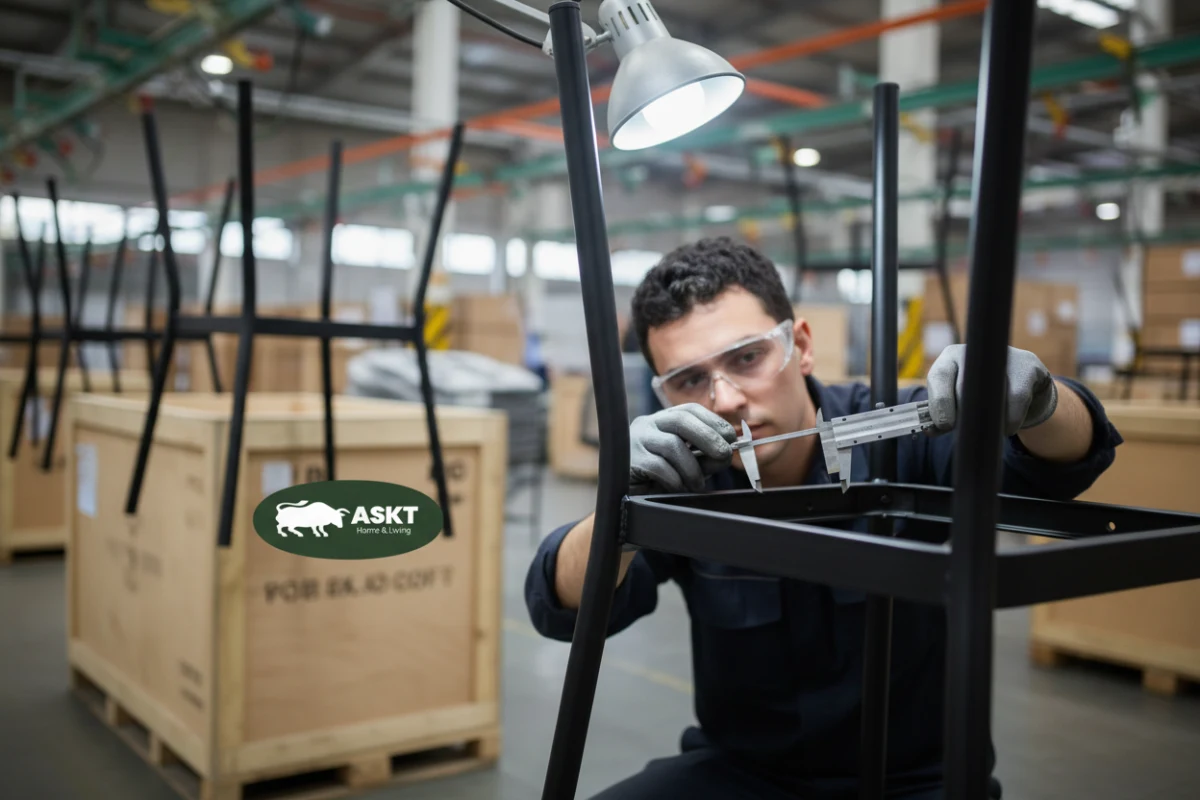
Commercial dining chairs, bar stools, and lounge seating rely heavily on structural frame integrity. Warranties should explicitly cover weld joint integrity, metal tube wall strength, and the mechanical stability of knock-down (KD) assembly points. For European commercial applications, metal frames protected with durable powder coating must resist flaking, blistering, or structural cracking under sustained cyclic loading.
2. Swivel and Auto-Return Mechanisms
Moving mechanical components represent a primary point of mechanical wear in hospitality dining and meeting spaces. Swivel mechanisms and auto-return assemblies must be warranted against mechanical seizure, loss of auto-centering alignment, and excessive axial wobble. Pre-delivery agreements should specify that the internal return springs and bearings maintain smooth rotation without structural looseness.
3. Pocket Springs, Padding, and Ergonomic Support
Seating comfort and shape retention depend on resilient internal construction. Contract warranties should define acceptable compression parameters for seat padding. Premium seating that incorporates pocket spring systems alongside high-density foam must be covered against spring dislocation, internal frame strike-through, and permanent foam collapse, ensuring the chair retains its intended ergonomic shape throughout daily commercial use.
4. Fabric Performance and Surface Finishes
Upholstery fabrics in dining areas and guest rooms face exposure to liquid spills, frequent friction, and routine commercial cleaning. Warranties for upholstery should cover seam slippage, fabric unraveling, and coating degradation. Specifying waterproof and easy-clean fabrics, pet-friendly materials, and fabrics tested for high abrasion resistance and colour fastness ensures that textile surfaces perform reliably under standard hospitality cleaning routines.
5. Table Surfaces, Sintered Stone, and Oak Veneer
Dining tables and coffee tables require explicit coverage depending on their surface composition. For sintered stone tabletops, warranty terms must focus on bonding integrity between the stone and the underlying support sub-frame, as well as resistance to structural substrate separation. For oak veneer tables, coverage should address veneer peeling, edge delamination, and finish blistering under standard indoor commercial climate conditions.
How should buyers structure defect classifications for commercial furniture defect claims?
To prevent prolonged disputes when goods arrive, hotel buyers and manufacturers must establish an objective defect classification matrix prior to production and shipping. Clear categorization allows on-site receiving teams and factory quality assurance managers to process commercial furniture defect claims efficiently.
Critical Defects
Critical defects involve conditions that compromise guest safety, breach regulatory compliance, or render the furniture completely unusable. These defects require immediate supplier intervention, component replacement, or financial credit.
- Structural frame breakage or fractured weld joints on dining chairs or bar stools.
- Sharp metal burrs, exposed fasteners, or splintered edges capable of causing physical injury.
- Severe stability failure causing chairs or tables to tip under normal seated loads.
- Mechanism failure where an auto-return or swivel unit jams completely or detaches from the seat shell.
Major Defects
Major defects affect the visual integrity, primary functionality, or commercial lifespan of the product, preventing it from meeting project presentation standards without corrective action.
- Noticeable colour shade discrepancies across a single production batch of dining chairs or upholstered lounge chairs.
- Torn upholstery fabric, open seam stitching, or visible delamination of surface coatings.
- Sintered stone or oak veneer surface misalignment, severe veneer bubbling, or noticeable warping on tabletops.
- Missing internal fasteners, loose KD mounting sockets, or damaged leg levelers preventing proper assembly.
Minor Defects
Minor defects are small cosmetic inconsistencies or packaging blemishes that do not compromise the structural integrity, safety, or primary aesthetic value of the furniture. These are typically resolved through minor on-site adjustment or tracked within standard manufacturing quality tolerances.
- Slight, natural grain and tonal variations inherent in natural oak veneer surfaces.
- Minor scuffs on bottom dust covers or non-visible underside structural brackets.
- Small, easily removable packaging dust or minor carton scuffs where internal protective packaging kept the furniture undamaged.
What response and resolution metrics belong in a hotel FF&E service level agreement?
A hotel FF&E service level agreement (SLA) establishes the operational timelines, communication workflows, and corrective mechanisms governing post-delivery support. Without clear SLA metrics, claims can linger for months, disrupting hotel opening schedules or venue operations.
+-----------------------------------------------------------------------------------+
|              HOTEL FF&E POST-DELIVERY CLAIMS & RESOLUTION SLA WORKFLOW            |
+-----------------------------------------------------------------------------------+
|  Stage 1: Claim Submission & Evidence Capture                                     |
|  - Hotel site team documents issue with batch number, photos, and video proof.    |
+-----------------------------------------┬-----------------------------------------+
                                          │
                                          ▼
+-----------------------------------------------------------------------------------+
|  Stage 2: Supplier Triage & Acknowledgment                                        |
|  - Formal written confirmation of claim receipt (Target: Within 24-48 Hours).     |
+-----------------------------------------┬-----------------------------------------+
                                          │
                                          ▼
+-----------------------------------------------------------------------------------+
|  Stage 3: Root Cause Analysis & Action Plan                                       |
|  - Factory QC assesses defect source (transit, site, or manufacturing).           |
|  - Proposed corrective action communicated (Target: Within 3-5 Working Days).     |
+-----------------------------------------┬-----------------------------------------+
                                          │
                                          ▼
+-----------------------------------------------------------------------------------+
|  Stage 4: Physical Resolution Execution                                           |
|  - Dispatch replacement parts from buffer stock (Target: 3-5 Working Days).       |
|  - Remanufacture batch components if necessary (Agreed Production Window).        |
+-----------------------------------------------------------------------------------+
Key SLA Performance Metrics
- Initial Acknowledgment Window: The furniture supplier must formally log and acknowledge receipt of a defect notification within 24 to 48 hours, assigning a dedicated technical contact to the case.
- Technical Assessment & Root Cause Determination: Within 3 to 5 working days of receiving photographic, video, and batch identification evidence, the manufacturer must provide a technical evaluation outlining the cause and proposed remediation.
- Spare Part Dispatch Speed: For standard replacement items held in buffer stock (such as glides, fasteners, or swivel units), dispatch should occur within 3 to 5 working days via express courier.
- Remanufacturing Timelines: In situations requiring replacement production of custom upholstered chairs or bespoke dining tables, the SLA should specify a fixed manufacturing window, avoiding open-ended project delays.
- Local Repair Compensation Protocols: Where minor defects can be repaired quickly on-site by hotel maintenance technicians or local upholstery specialists, the SLA should pre-determine acceptable hourly labor credit rates to expedite resolution without shipping products back and forth.
Why is hospitality furniture spare parts support critical to negotiate upfront?
High-traffic hospitality environments experience continuous wear. Table bases are struck by cleaning equipment, dining chair legs encounter hard flooring, and upholstery is exposed to daily friction. Implementing an upfront hospitality furniture spare parts support plan prevents minor component wear from rendering entire furniture pieces unusable.
The Logic of Container-Integrated Buffer Stock
Ordering spare components during the initial mass production run is significantly more efficient than sourcing individual parts months later. Sourcing spare parts alongside the primary order offers distinct advantages:
- Exact Dye-Lot and Finish Matching: Fabrics, powder-coated metal legs, and wood finishes produced in the same production batch guarantee 100% visual and dimensional consistency.
- Drastic Cost Reductions: Shipping spare parts inside the primary ocean container avoids exorbitant international air freight and individual customs clearance fees.
- Zero Downtime Replacement: On-site maintenance staff can immediately replace a worn floor glide, damaged bolt, or faulty swivel mechanism without waiting for international shipments.
Essential Spare Parts Allocation Checklist for Hotel Projects
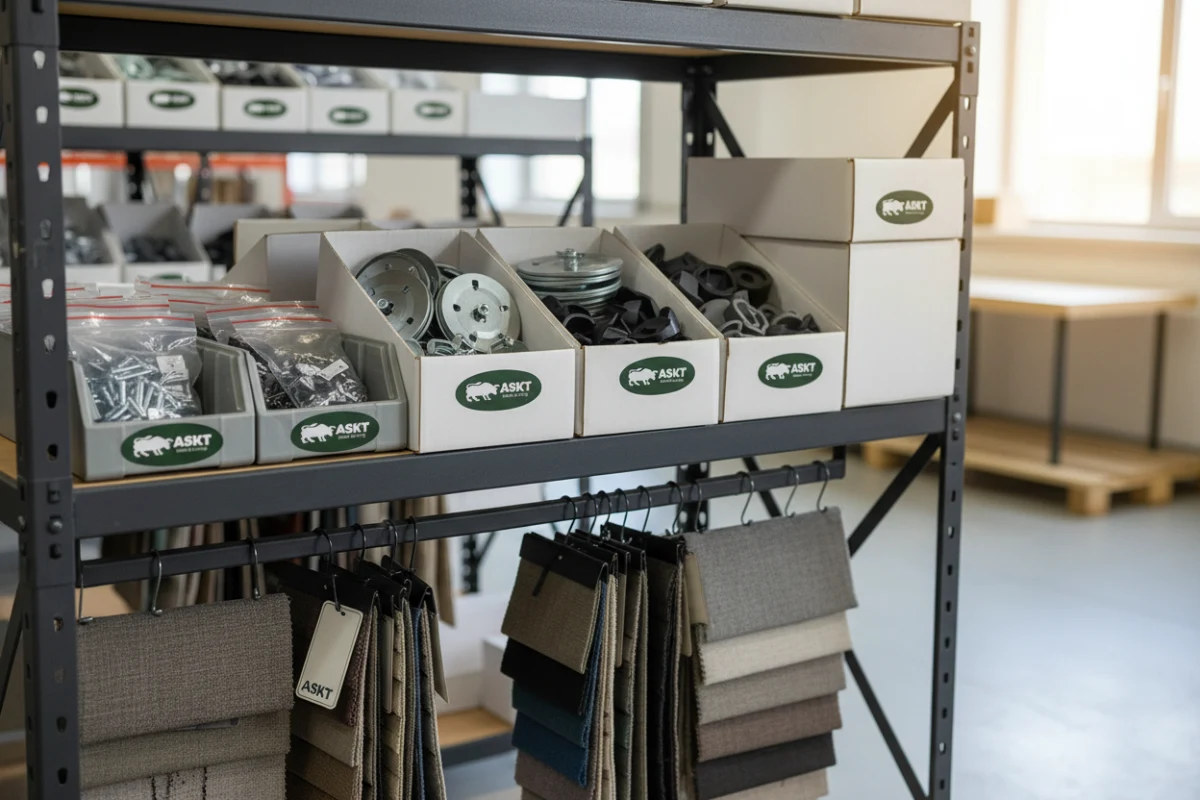
- Floor Glides and Protective Feet: Extra buffer stock of standard nylon, felt, or adjustable metal glides to replace parts worn down by tile or timber flooring.
- Assembly Hardware and Fasteners: Dedicated packs of structural bolts, washers, locking nuts, and matching hex keys for KD metal frames and table bases.
- Mechanical Swivel and Auto-Return Cartridges: Spare internal rotation mechanisms for modular dining and bar chair collections.
- Pre-Cut Upholstery Covers or Fabric Yardage: Extra matching fabric yardage from the original dye lot to facilitate local repair of localized burns, tears, or stains.
- Modular Leg Sets and Base Components: Spare metal or timber base frames to swiftly address localized accidental impact damage.

How should hotel buyers define warranty commencement dates and project handover terms?
A frequent commercial conflict in hotel procurement arises from the time lag between factory dispatch and the hotel's actual public opening. If a warranty period starts the moment goods leave the factory gate, several months of warranty coverage can elapse while containers are on the water, held in customs, or stored in consolidation warehouses during construction delays.
Factory Gate (FOB/EXW) vs. Substantial Project Handover
Buyers should negotiate contract furniture warranty terms that anchor the warranty start date to either the Substantial Completion Date (the formal handover and installation sign-off at the hotel property) or a capped milestone (such as a specified number of days post-port arrival, whichever occurs first).
+-----------------------------------------------------------------------------------+
|                       WARRANTY TIMELINE GAP COMPARISON                            |
+-----------------------------------------------------------------------------------+
| TRADITIONAL FACTORY DISPATCH COMMENCEMENT:                                        |
| [Factory Gate Departure] ───► [Ocean Freight & Customs] ───► [Site Installation]  |
| (◄─── 2-4 Months of warranty coverage consumed while goods are in transit/crates ──►) |
+-----------------------------------------------------------------------------------+
| RECOMMENDED PROJECT HANDOVER COMMENCEMENT:                                        |
| [Factory Gate Departure] ───► [Ocean Freight & Customs] ───► [Hotel Handover / Opening] |
|                                                              (◄── Full Warranty Period Starts ──►) |
+-----------------------------------------------------------------------------------+
Essential Handover Documentation
To validate warranty activation and ensure smooth long-term asset management, buyers should require the following documentation package upon delivery completion:
- Pre-Shipment Quality Inspection (PSI) Dossier: Photographic and structural verification records confirming that production matched approved master samples, KD tolerances, and packaging standards before container sealing.
- Material Compliance & Performance Records: Documentation verifying fabric abrasion resistance, colour fastness ratings, and foam resilience characteristics.
- Care and Commercial Maintenance Guidelines: A practical maintenance manual outlining recommended cleaning chemicals, periodic fastener inspection schedules, and glide replacement procedures.
- Batch Traceability and Part Identification Code: Clear labeling on packaging and product underside frames linking items to specific production batches, fabric dye lots, and order numbers.
How does ASKT ensure manufacturing consistency and reliable post-delivery support?
As a dedicated B2B dining furniture manufacturer and supply chain partner with over 20 years of manufacturing experience for European wholesalers, importers, and contract furniture buyers, ASKT designs and produces furniture with commercial longevity, logistics efficiency, and warranty reliability in mind.
ASKT supports hospitality and contract sourcing teams through structured manufacturing practices:
- Robust Contract Construction: Utilizing heavy-duty metal frames, durable powder coating, precision-engineered KD structures, pocket spring seating comfort, and high-performance swivel and auto-return mechanisms engineered for repetitive commercial use.
- Material Performance Selection: Offering a wide selection of tested upholstery options, including waterproof and easy-clean fabrics, pet-friendly materials, and high-abrasion textiles alongside durable sintered stone and oak veneer tabletop solutions.
- Sustainable and Protective Packaging: Developing optimized packaging structures using reduced plastic use and sustainable materials that protect corners, finishes, and upholstery during transit while maximizing container loading volume.
- OEM & ODM Customization Flexibility: Providing complete customisation of dimensions, materials, colours, and branding to meet distinct hospitality design specifications and project budgets.
- Transparent Quality Assurance: Conducting thorough pre-shipment inspections and providing batch traceability to ensure that delivered products match agreed contract specifications, simplifying warranty management and post-delivery maintenance.
For procurement teams seeking reliable dining chairs, bar stools, lounge seating, and dining tables tailored to European hospitality standards, partnering with an experienced manufacturer ensures clear contract terms, stable supply chains, and dependable post-delivery support. Explore commercial dining furniture solutions and discuss your project specifications at https://www.asktfurniture.com/.