How to Choose Upholstery Fabric for Dining Chairs: A B2B Buyer's Guide
Sourcing high-quality contemporary indoor furniture for highly competitive European markets like Germany, the Netherlands, the UK, Poland, Switzerland, and Ireland requires deep consideration of every material choice. For professional furniture wholesalers, retail chains, importers, e-commerce brands, and contract furniture buyers, the choice of textile is not merely an aesthetic decision. It is a critical operational factor that directly influences product lifespan, customer satisfaction, and retail return rates.
Understanding how to choose upholstery fabric for dining chairs: a B2B buyer's guide is essential for reducing long-term supply chain risks and maximizing commercial margins. This comprehensive guide details how professional sourcing specialists and product managers can systematically evaluate and select textiles for upholstered dining seating. By aligning material selections with rigorous performance metrics, commercial buyers can mitigate procurement risks and ensure long-term business success.
The Commercial Impact of Dining Chair Upholstery Fabric Selection
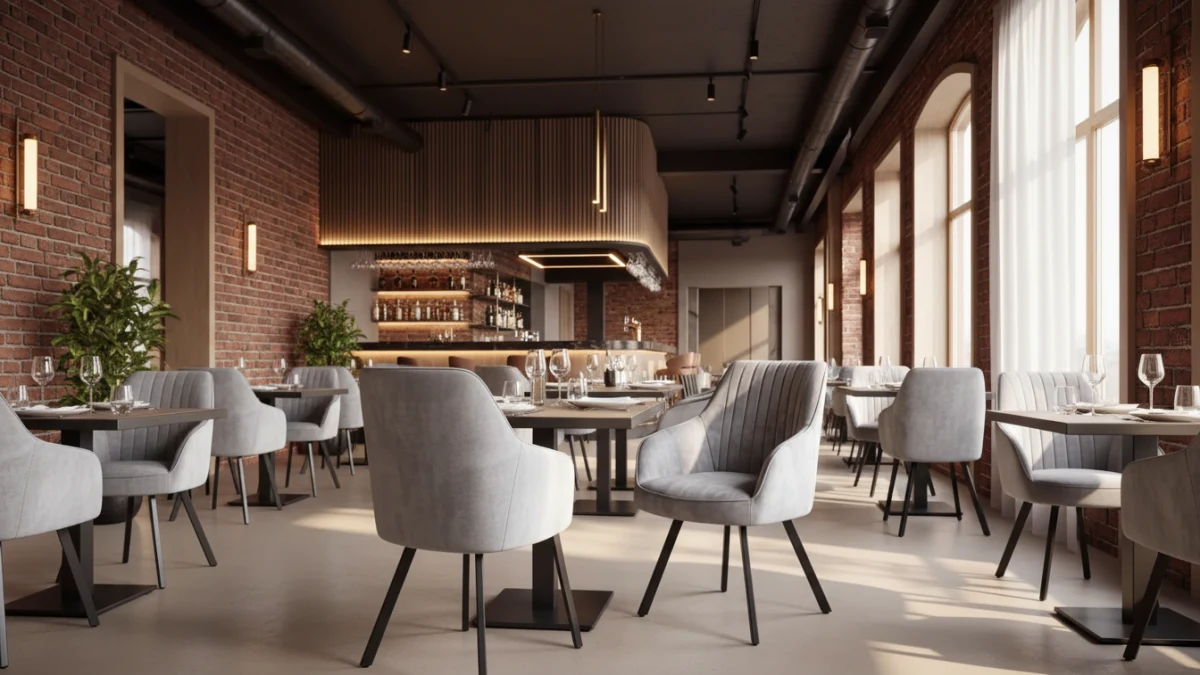
When developing a commercial dining chair collection, understanding the financial and operational impact of textile selection is paramount. Unlike residential living room furniture, dining chairs are subject to frequent physical friction, regular movement, and high exposure to food and beverage spills. In both domestic households and high-traffic hospitality environments, poorly selected materials deteriorate rapidly, leading to costly warranty claims, customer complaints, and a damaged brand reputation.
For B2B buyers, a structured dining chair fabric selection guide is an essential tool to prevent these issues. Selecting the wrong material can lead to severe financial consequences. In the e-commerce sector, high return rates due to easily stained or quickly worn fabrics can completely erode profit margins. In the contract market—such as hotels, restaurants, and corporate spaces—fabric failure can lead to breach of contract disputes or expensive re-upholstery liabilities. By choosing high-performance textiles that balance durability, chemical safety, and cleanability, purchasing managers protect their supply chains and deliver consistent, reliable products to their target markets.
Key Durability Metrics: Abrasion Resistance and Colour Fastness Testing
To make objective, data-driven decisions during the procurement process, B2B buyers must focus on standardized durability metrics rather than subjective fabric hand-feel. Two of the most critical mechanical properties to evaluate are abrasion resistance and colour fastness.
Abrasion Resistance
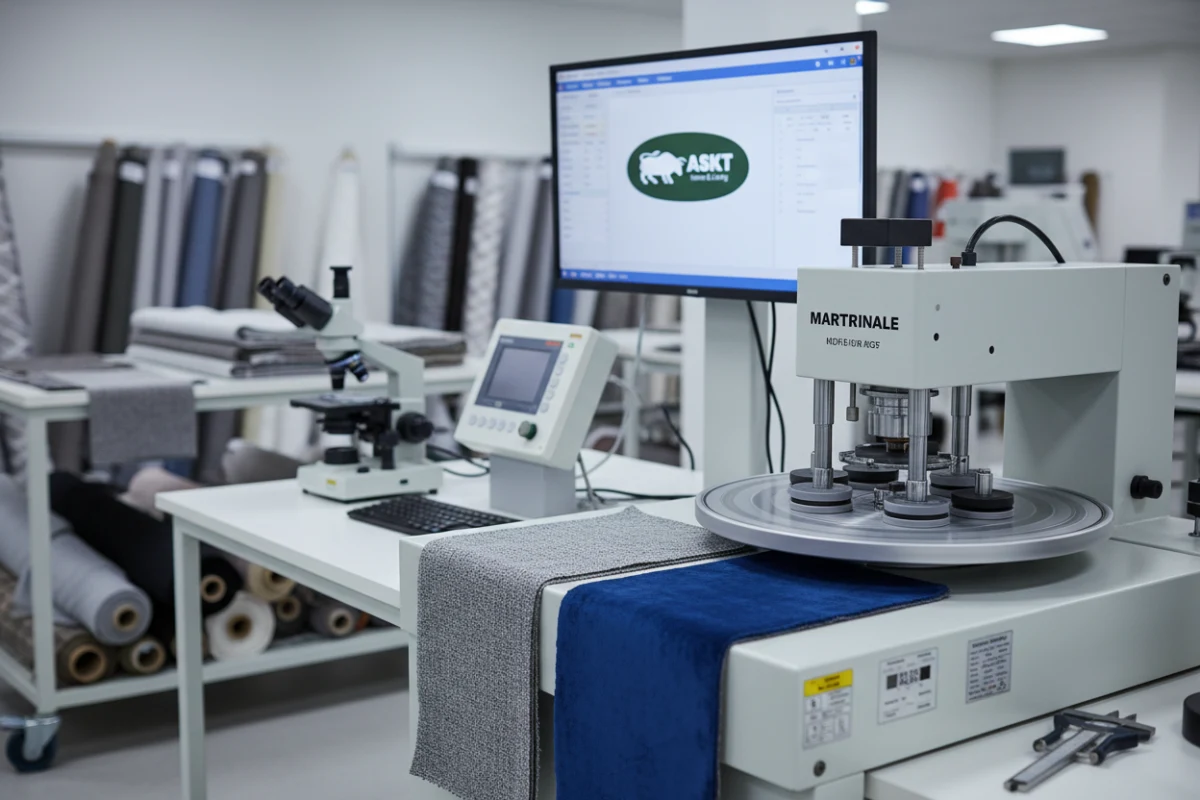
Abrasion resistance is typically evaluated using specialized wear-testing methods, such as the Martindale rub test. This process subjects a textile sample to continuous friction against an abrasive material in a precise geometric pattern. The testing continues until yarn breakage occurs, establishing a quantitative measurement of the fabric’s durability.
For light domestic applications, lower-intensity rub capacities might suffice. However, for standard residential dining lines and premium retail collections, buyers should prioritize fabrics designed for heavy domestic or general commercial use. In high-frequency contract or hospitality projects, sourcing high-durability commercial dining chair fabrics wholesale with high rub counts is essential. These robust textiles ensure that the seat covers can withstand continuous, daily friction without showing signs of thinning, pilling, or structural failure.
Colour Fastness to Light and Rubbing
Dining chairs are frequently positioned near windows, exposing them to direct sunlight. This makes colour fastness to light a critical parameter. If a fabric has poor light fastness, it will fade unevenly, rendering a set of dining chairs visually mismatched. Sourcing departments must verify that fabrics are highly resistant to UV-induced fading to maintain visual consistency over years of exposure.
Similarly, colour fastness to rubbing (also known as crocking) is crucial. This metric determines whether dye from the dining chair fabric will transfer onto a user’s clothing under dry or wet conditions. Poorly dyed fabrics represent a major sourcing risk, as dye transfer complaints can trigger immediate product returns and negative online reviews. Category managers should ensure all fabrics meet stringent colour-fastness requirements under both dry and wet rubbing tests.
Functional Innovations: Molecular Hydrophobic Nano-Coatings and Breathability
As consumer expectations evolve, functional performance has shifted from an optional upgrade to a mandatory requirement. Modern dining rooms serve as multi-functional areas where family meals, remote work, and social gatherings converge. This increased usage makes dining chairs highly vulnerable to liquid spills, oils, and general stains.
The Mechanics of Easy-Clean Performance
To address these challenges, manufacturers have developed innovative easy-clean upholstery fabrics B2B options. Historically, water-resistant fabrics relied on basic topical chemical sprays applied to the finished textile. While initially effective, these surface coatings wear away quickly with regular use and cleaning, leaving the fabric unprotected.
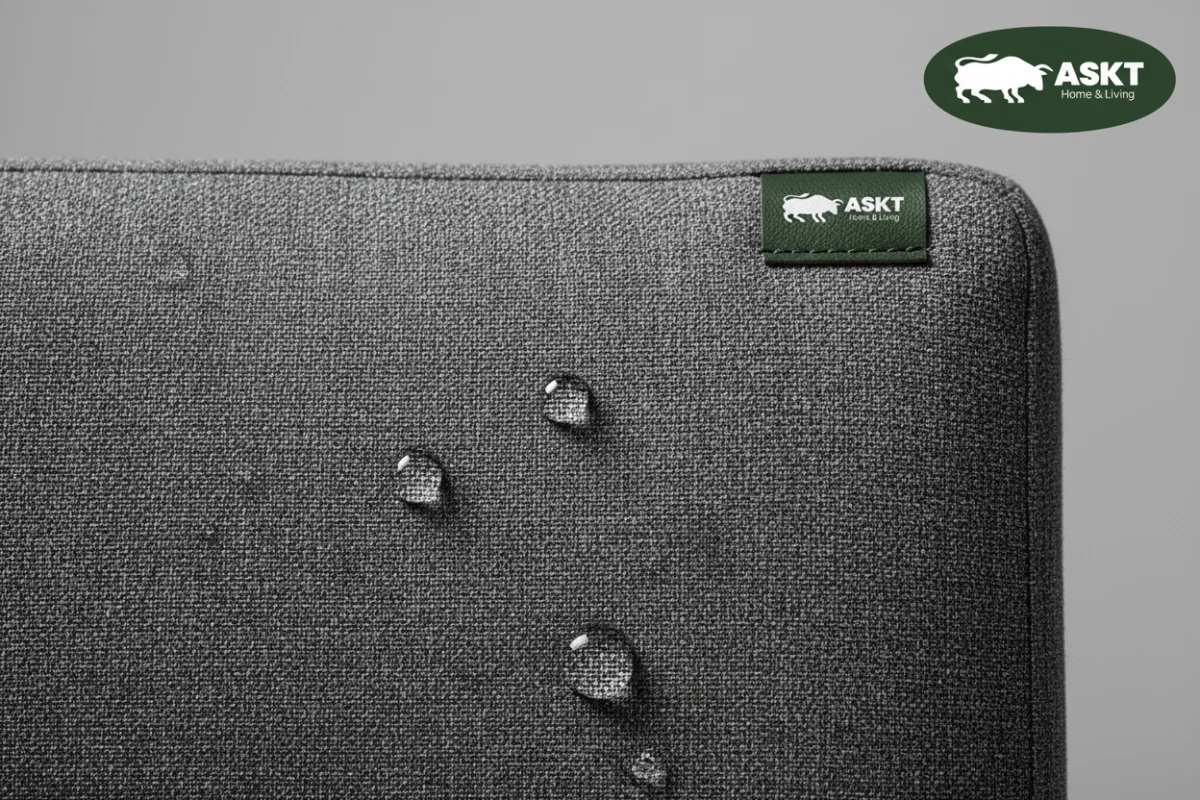
Advanced functional textiles now utilize molecular hydrophobic nano-coatings. Instead of sealing the surface of the woven fabric, this technology modifies the individual fibres at a molecular level during production. This allows the fabric to repel water, oil, and liquid-based stains permanently. Spills—whether coffee, juice, or condiments—cannot penetrate the yarn. Instead, they bead up cleanly on the surface, allowing end-users to wipe them away easily with a dry cloth or damp paper towel.
The Importance of Fabric Breathability
A critical trade-off when selecting water-resistant fabrics is breathability. If a fabric is completely sealed with an impermeable backing, air becomes trapped inside the dining chair’s seat cushion. When a user sits down, the lack of air circulation causes discomfort and sweat build-up. Furthermore, trapped moisture can degrade the internal polyurethane foam core, leading to structural flattening and premature cushion failure.
Therefore, professional buyers must source performance fabrics that balance liquid resistance with high breathability. By selecting textiles engineered with microscopic ventilation channels, air can pass freely through the weave while liquids are repelled. This micro-porous structure ensures a comfortable sitting experience, protects the integrity of the internal foam cushioning, and extends the overall life of the furniture.
Safety and Compliance: OEKO-TEX® Standards and Formaldehyde-Free Materials
For importers and retail chains operating in Europe, regulatory compliance is a major operational priority. Strict consumer safety standards require that all materials used in indoor furniture—especially those in direct contact with skin—are completely safe and free from toxic substances.
Sourcing Certified Safe Textiles
To guarantee human-ecological safety and streamline customs clearance, B2B buyers must prioritize OEKO-TEX certified chair fabrics. An OEKO-TEX® certification provides independent verification that the textile has been rigorously tested for harmful chemicals, heavy metals, and volatile organic compounds (VOCs).
By securing certified fabrics, furniture importers protect their businesses from regulatory liabilities, compliance audits, and potential product recalls. It also provides a powerful, transparent selling point for retailers marketing to safety-conscious consumers who demand clean, non-toxic products for their homes.
Formaldehyde-Free and Safe Manufacturing
Compliance extends beyond the surface fabric to the entire construction of the upholstered chair. Professional B2B manufacturers ensure that all structural elements—including the wood-based boards, adhesives, and polyurethane foam—are completely formaldehyde-free.
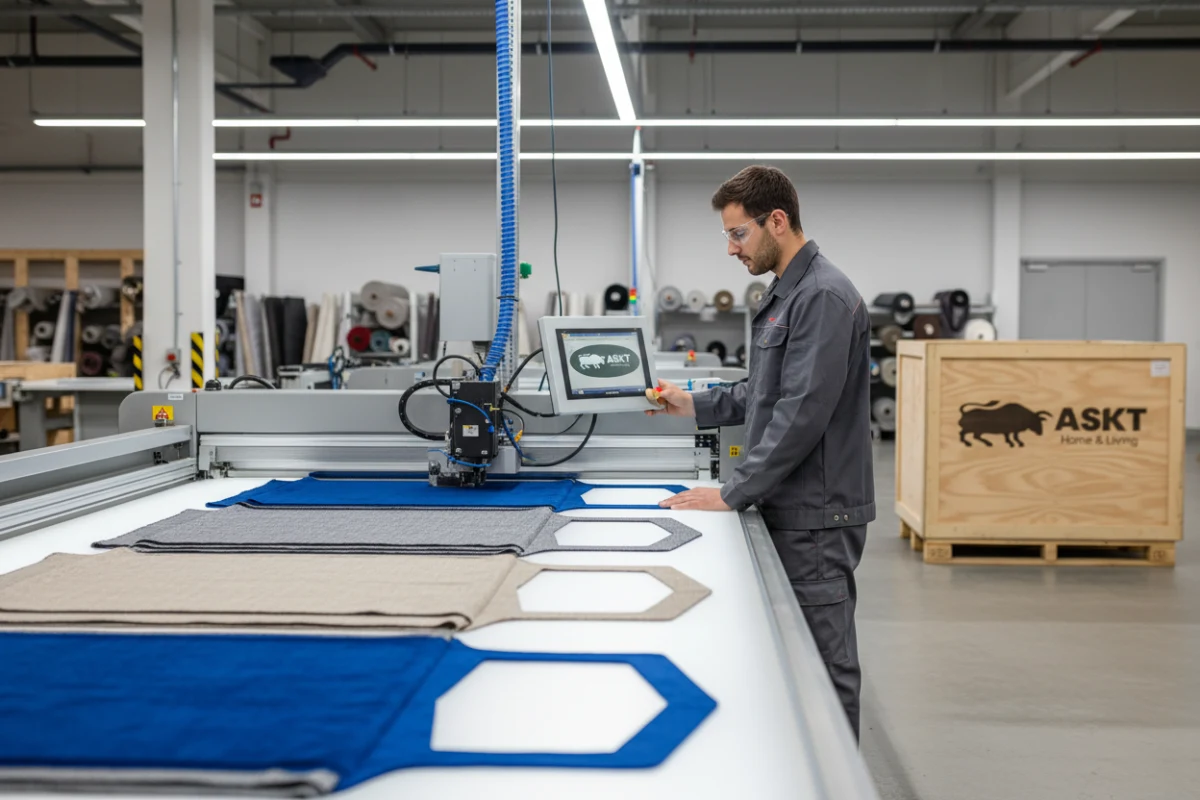
Furthermore, responsible manufacturing partners prioritize safe production environments. During the manufacturing process in China, workers are protected through advanced safety measures. This includes automated cutting machinery to minimize physical hazards, structured ventilation systems in adhesive-application zones, and proper personal protective equipment. This dedication to social and physical compliance helps European buyers meet their corporate social responsibility (CSR) and ESG goals.
Addressing Eco-Demands: Sustainable Fabrics from Recycled Plastics in Europe
In addition to safety compliance, sustainability has become a dominant purchasing driver across European markets, particularly in Germany, the Netherlands, and the UK. With the implementation of strict corporate environmental regulations and changing consumer preferences, offering eco-friendly furniture options is essential for modern retailers.
The Rise of Recycled Polyester
To meet these eco-conscious demands, B2B procurement teams are increasingly sourcing fabrics made from recycled plastics, such as post-consumer PET bottles. These bottles are collected, cleaned, processed into flakes, and extruded into high-durability polyester yarns.
These recycled textiles provide an excellent environmental solution without compromising on mechanical performance. Recycled polyester fabrics offer identical levels of durability, abrasion resistance, and colour fastness compared to virgin synthetic fibres. By integrating these sustainable materials into their dining chair collections, wholesalers and retail chains can offer verified eco-friendly options that resonate with modern, environmentally aware consumers.
B2B Procurement Strategies: Custom Sampling and OEM/ODM Integration
Sourcing upholstered dining chairs from overseas partners requires a clear procurement strategy to manage quality, lead times, and logistical efficiency. For B2B buyers, working with an experienced manufacturer that understands European market demands is critical.
Custom Fabric Sampling and Performance Evaluation
Before committing to large-scale production, buyers must conduct thorough quality evaluations. A reliable manufacturing partner must support custom fabric sampling, allowing sourcing teams to test the material's texture, weight, colour accuracy, and performance under local market conditions. By evaluating physical swatches and prototype chairs, buyers can confirm that the final product meets their exact specifications before shipping.
OEM and ODM Customization
Different target markets have distinct aesthetic and functional preferences. A wholesaler in Germany might require specific neutral, textured fabrics like bouclé or chenille, while a contract buyer in the UK might demand highly flame-retardant, heavy-duty polyurethane leather.
An expert manufacturing partner should offer comprehensive OEM and ODM services, enabling complete customization of fabric compositions, textures, and colours. This also includes specialized treatment options (such as enhanced water resistance or pet-friendly characteristics) and structural designs to optimize packaging size and container loading. By standardizing internal frames and offering modular fabric options, manufacturers help buyers minimize inventory risks, reduce minimum order quantities (MOQs), and optimize container space to lower international shipping costs.
Practical Framework: How to Choose Upholstery Fabric for Dining Chairs: A B2B Buyer's Guide
When consolidating your fabric sourcing strategy, professional buyers can utilize a structured checklist to ensure all technical and regulatory requirements are met. Sourcing teams can follow this practical dining chair fabric selection guide to optimize their procurement process:
- Define Target Environment: Determine if the collection is intended for standard residential use, high-traffic commercial projects, or pet-friendly households.
- Verify Mechanical Durability: Request certified test reports for abrasion resistance (Martindale rub testing) and colour fastness to ensure long-term durability.
- Assess Functional Properties: Evaluate if the collection requires molecular hydrophobic nano-coatings for easy-clean properties or specialized flame-retardant treatments.
- Confirm Compliance Standards: Ensure the materials meet local chemical safety standards, such as sourcing OEKO-TEX certified chair fabrics and formaldehyde-free materials.
- Evaluate Sustainability Options: Consider integrating fabrics made from recycled plastics to align with corporate ESG goals.
- Request Custom Sourcing Samples: Partner with an experienced manufacturer to develop physical fabric samples and prototypes for testing and market validation.
Sourcing and Supply Chain Risks: Trade-offs in Dining Chair Fabric Selection
When executing a B2B procurement strategy, purchasing managers must navigate inherent trade-offs rather than assuming one material fits every market segment. No single textile is optimal for all parameters, making a balanced evaluation key to reducing sourcing risks.
For example, while synthetic polyester blends offer unmatched abrasion resistance and cost efficiency, they may lack the high-end tactile feel demanded by luxury residential collections. Conversely, premium textured fabrics like bouclé or chenille offer beautiful warmth and texture, but they are more susceptible to snagging, requiring extra structural reinforcement and backing treatments when used in high-traffic commercial projects.
Similarly, artificial leather options such as polyurethane (PU) provide excellent liquid impermeability and are perfect for immediate wipe-clean applications in fast-casual dining spaces. However, if they are exposed to harsh industrial-grade sanitizers or high temperature variations, they can crack over time. Therefore, when executing the steps outlined in how to choose upholstery fabric for dining chairs: a B2B buyer's guide, managers must look beyond surface aesthetics and evaluate the long-term operational trade-offs of each product line.
Conclusion and Strategic Next Steps
Selecting the correct upholstery fabric is a critical decision that influences the long-term commercial success of your dining chair collections. By focusing on measurable durability standards, functional easy-clean innovations, safety certifications, and sustainable materials, B2B procurement managers can design high-performing product lines that satisfy European consumers and minimize return rates.
Partnering with an experienced, transparent manufacturer is the most effective way to navigate these choices. A dedicated manufacturing partner can provide the technical expertise, customized samples, and reliable supply chain support needed to bring your product vision to life while mitigating cross-border sourcing risks.
If you are developing a new dining chair collection, ASKT can support fabric sampling, colour customisation and performance evaluation for your target market.