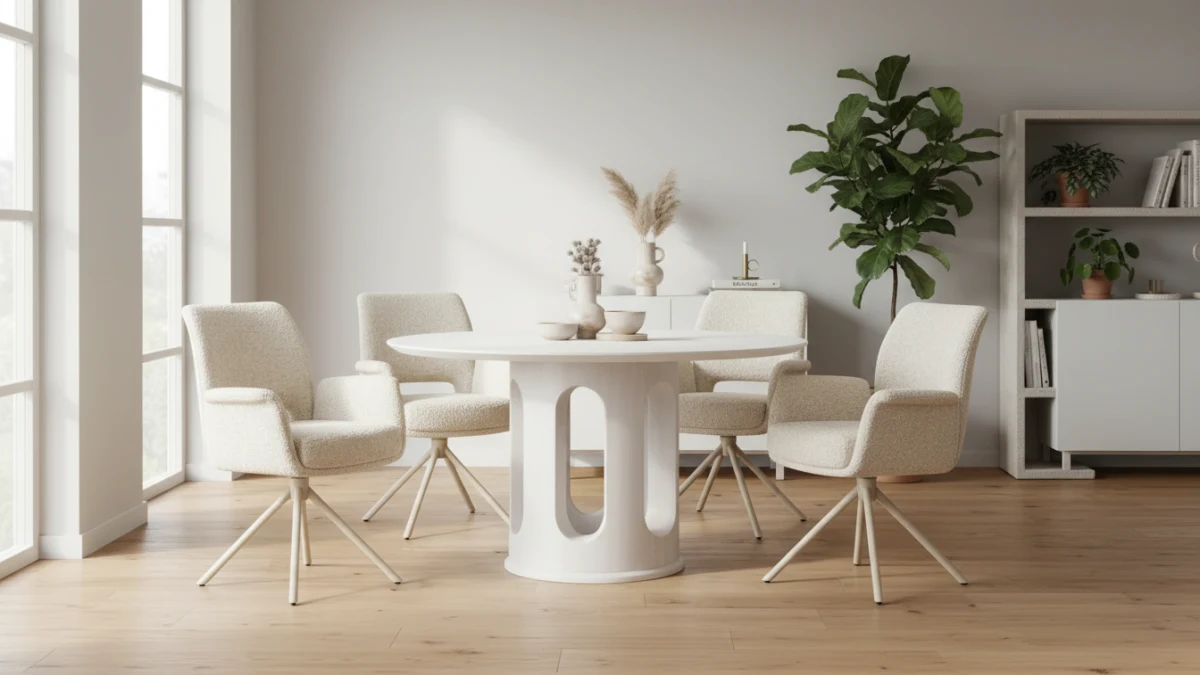
How to Find Reliable Dining Chair Manufacturers with Quality Control
European B2B buyers can find reliable dining chair manufacturers with quality control by partnering with a BSCI certified furniture factory, auditing production consistency and metal frame powder coating, validating fabric performance (including abrasion resistance and colour fastness), and implementing a standardized product testing workflow to ensure European furniture import compliance.
Why is dining chair quality control critical for European furniture importers?
For European furniture wholesalers, retail chains, and e-commerce brands, dining chairs represent a high-stakes product category. Unlike static case goods like sideboards or shelving, dining chairs are dynamic furniture items. They are subjected to repetitive dynamic loads, constant moving, tilting, and structural shear forces on a daily basis. Under-engineered joint connections, poor welding, or weak internal seat frames quickly translate into catastrophic structural failures in residential or commercial settings.
When a B2B buyer imports a high-volume container shipment, even a small defect rate can lead to massive commercial damage. Retail returns, reverse logistics, local disposal fees, and replacement costs directly eat into commercial margins. More importantly, defective seating poses safety risks, exposing importers to product liability disputes and damaging hard-won brand equity.
Therefore, establishing rigorous dining chair quality control at the manufacturing source is the only way to safeguard your B2B supply chain. Importers must look past superficial product aesthetics and low-price quotes. Evaluating Chinese B2B furniture suppliers requires a highly systematic approach that assesses a factory’s structural engineering capabilities, standard operating procedures, material sourcing transparency, and consistency in mass production.
How can buyers evaluate Chinese B2B furniture suppliers for compliance and ESG?
Social responsibility, ethical manufacturing, and environmental compliance are no longer optional features in the European market. Tightening supply chain due diligence laws mean that major retailers, purchasing groups, and contract buyers must verify the ethical status of their production partners. Consequently, the first filter in your sourcing journey should be verifying that your partner is a BSCI certified furniture factory.
An audit by the Business Social Compliance Initiative (BSCI) ensures that a factory adheres to fair compensation, legal working hours, safe working environments, and ethical treatment of staff. From a commercial standpoint, a factory that prioritizes worker welfare and retains an experienced, stable workforce always exhibits higher manufacturing consistency and lower defect rates than unregulated, low-cost workshops.
When auditing a supplier’s compliance and ESG protocols, professional sourcing managers should look for these concrete indicators:
- Safe Handling of Materials: Assembly line workers must have access to appropriate protective equipment, such as cut-resistant gloves for metal-cutting machinery and protective gear in gluing and upholstery assembly stations.
- Environmentally Safe Adhesives: Confirm that the factory uses completely formaldehyde-free, eco-friendly glues when bonding polyurethane foam to internal wood seat shells. This prevents toxic off-gassing and ensures the finished products meet strict health standards.
- Documented Training Protocols: Standardized onboarding and operational training must be documented for every worker on the line, ensuring that technical assembly steps, joint fastening, and fabric stitching are executed with uniform precision.
What manufacturing and production processes ensure dining chair consistency?
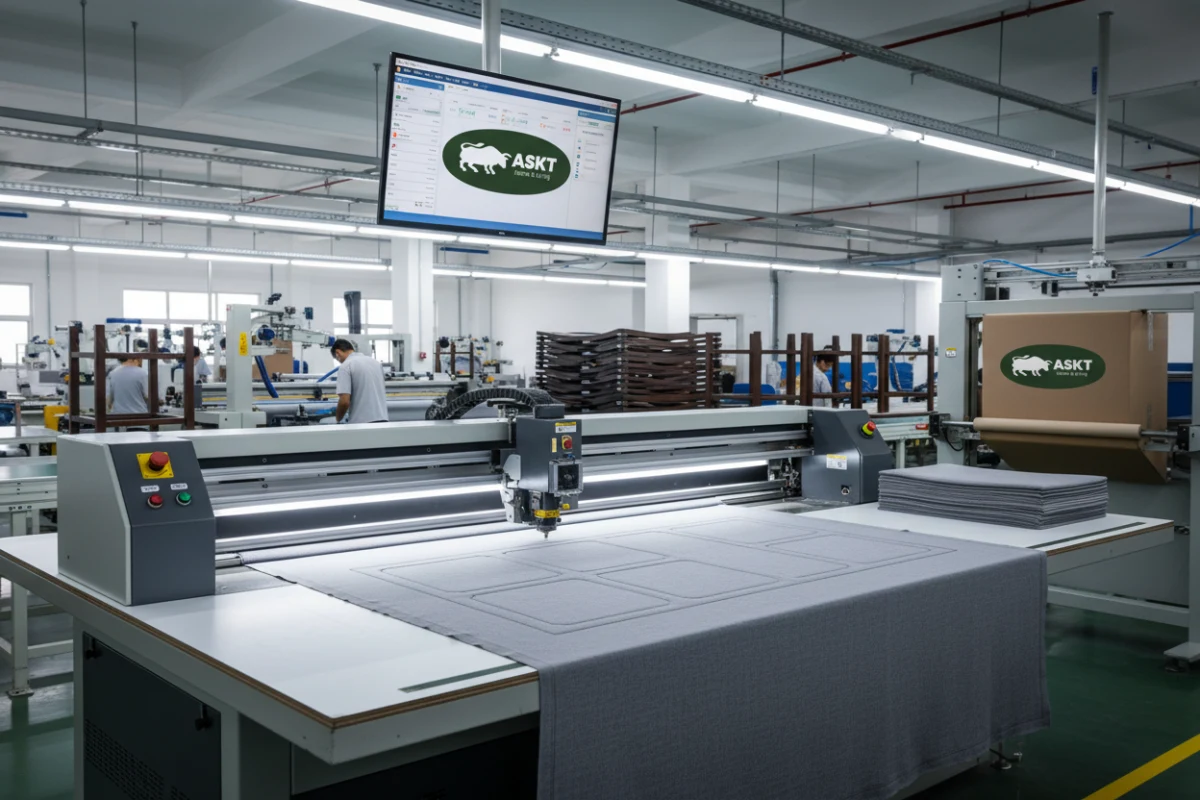
While hand-crafted details are attractive for custom, low-volume furniture, consistency in high-volume B2B manufacturing depends on advanced production technology. Manual woodwork and hand-welding are prone to human error, resulting in dimensional deviations that make Knock-Down (KD) structures difficult or impossible to assemble once they arrive in Europe.
To ensure your shipments assemble perfectly and stand up to heavy daily use, look for manufacturers that invest in precision machinery and automated production steps. Key processes to evaluate during a physical or virtual factory audit include:
- Computerized Fabric Cutting Systems: Manual fabric cutting leads to inconsistent seam lines and uneven fabric tension. Automated CNC fabric cutters process raw textiles with millimetre-level precision, ensuring every upholstered seat cover fits the internal frame perfectly without loose folds or over-tight seams.
- Automated Wood Processing: Wood-framed chairs or internal wood seat shells require precise drilling and structural joinery. Heavy-duty wood processing machinery and dedicated nut-inserting equipment ensure that bolt holes align perfectly with metal legs, avoiding misaligned components during KD assembly.
- Robotic Welding Arms: For metal-frame dining chairs, manual welding often produces inconsistent penetration and ugly weld beads. High-precision robotic welding arms create deep, uniform, and structurally sound joints, ensuring the chairs easily support standard domestic and commercial load limits.
- Professional Powder Coating Lines: Metal frames must be thoroughly cleaned and pre-treated before painting. An automated electrostatic powder coating line ensures a uniform, chip-resistant finish that protects the metal frame from corrosion during long-distance maritime transit and years of vacuum cleaner impacts.
How should importers test fabric performance and upholstery durability?
Upholstery fabric is one of the most high-value components of a contemporary dining chair. It is also the area most vulnerable to hidden cost-cutting. Poorly sourced fabrics pill, tear, fade, or stain easily, leading to rapid wear and high customer return rates. When planning how to find reliable dining chair manufacturers with quality control, verifying the raw materials is just as important as inspecting the final assembly.
Importers should require the manufacturer to provide certified testing data for three critical fabric performance metrics:
- Abrasion Resistance: Ensure that fabrics are subjected to standardized friction tests (such as Martindale testing). For domestic dining chairs, a minimum threshold of 25,000 rubs is recommended, whereas commercial and contract-grade seating should withstand 50,000 or more rubs without textile breakdown.
- Colour Fastness: Fabrics must resist colour transfer and fading caused by friction and UV exposure. Look for materials that achieve a verified rating of Class 4 or higher in standard testing.
- Liquid Resistance and Easy Cleaning: High-traffic dining environments benefit greatly from waterproof and easy-clean fabrics. These engineered materials utilize hydrophobic nano-coatings combined with micro-ventilation channels. They repel liquid spills (such as wine or coffee) while remaining breathable, soft to the touch, and highly scratch-resistant for pet-friendly homes.
Comparison: Premium Performance Fabrics vs. Generic Budget Upholstery
| Performance Metric | Premium Performance Fabric (e.g. Pocket Spring Seating Compatible) | Generic Budget Upholstery Fabric |
|---|---|---|
| Abrasion Resistance | High (25,000 to 100,000+ friction cycles) | Low (typically under 15,000 cycles) |
| Stain & Liquid Protection | Hydrophobic molecular coating (wipes clean easily) | None (liquids penetrate and stain instantly) |
| Chemical Safety | Fully certified clean chemistry (low VOC emissions) | Often contains heavy metals or unverified dyes |
| Structural Support | Often paired with pocket spring seating for shape retention | Paired with cheap, low-density recycled foam |
| Pet-Friendly Durability | Scratch-resistant tight weave | Loosely woven, prone to thread pulling |
Every fabric option in your catalog must possess verified certifications to meet furniture import compliance Europe. Insist on fabrics that are certified free of harmful chemicals and heavy metals. This compliance guarantees that the finished upholstered dining chairs are safe for residential use, contract environments, and family-oriented homes.
How do modular KD structures optimize container loading and lower inventory risk?
Ocean freight is a major variable cost for European furniture importers. Dining chairs are inherently bulky, and shipping fully assembled units is highly inefficient because you are paying to transport empty air. Furthermore, stocking a large variety of fabric colours and leg styles can lead to excessive inventory costs and high Minimum Order Quantities (MOQs) for each unique variation.
To solve this logistical bottleneck, smart importers use modular Knock-Down (KD) design principles. A modular KD system standardizes key structural elements of the dining chair:
- Standardized Mounting Interfaces: By designing a common mounting pattern, a factory can make several seat shell designs fully compatible with multiple base configurations (such as classic four-legged metal frames, modern auto-return swivel bases, and oak veneer legs).
- Optimized Container Loading Density: Standardized KD structures allow components to stack or nest closely together. This dramatically reduces packaging volume, allowing you to fit far more units into a standard 40ft HQ container, which directly reduces your per-unit landed shipping cost.
- Reduced Dead Stock Risks: Instead of purchasing and warehousing 40 finished chair variations, importers can stock a lean inventory of 5 standardized base styles and 8 upholstered seat shell styles. The components are packaged compactly and assembled as needed, minimizing warehouse space and unsold stock.
- Flexible MOQ Customization: Modular component production allows manufacturers to run large batches of internal frames and brackets. Sourcing teams can then order highly customized outer fabric colours, finishes, or custom dimensions in smaller batches because the underlying structural components are already mass-produced.
What is a reliable product testing and inspection workflow for B2B buyers?
To ensure consistent quality, never allow a shipment to leave the factory without documented pre-shipment inspections. Implementing a strict "Test First, Ship Second" protocol prevents defective products from reaching your distribution hubs in Germany, the Netherlands, or the UK.
An effective dining chair quality control inspection workflow should cover five operational phases:
[Incoming Material Check] -> [In-Line Production Inspection] -> [Structural Durability Testing] -> [Functional Mechanism Verification] -> [Transit Packaging Drop Testing]
- Phase 1: Incoming Material Check: Verify that raw materials (steel tube thickness, wood moisture content, foam density, and textile batches) match the approved master samples and chemical compliance certificates.
- Phase 2: In-Line Production Inspection: Inspect semi-finished components at key manufacturing steps. Check the alignment and depth of robotic welds, ensure the uniformity of powder coating, and verify upholstery stitching tension.
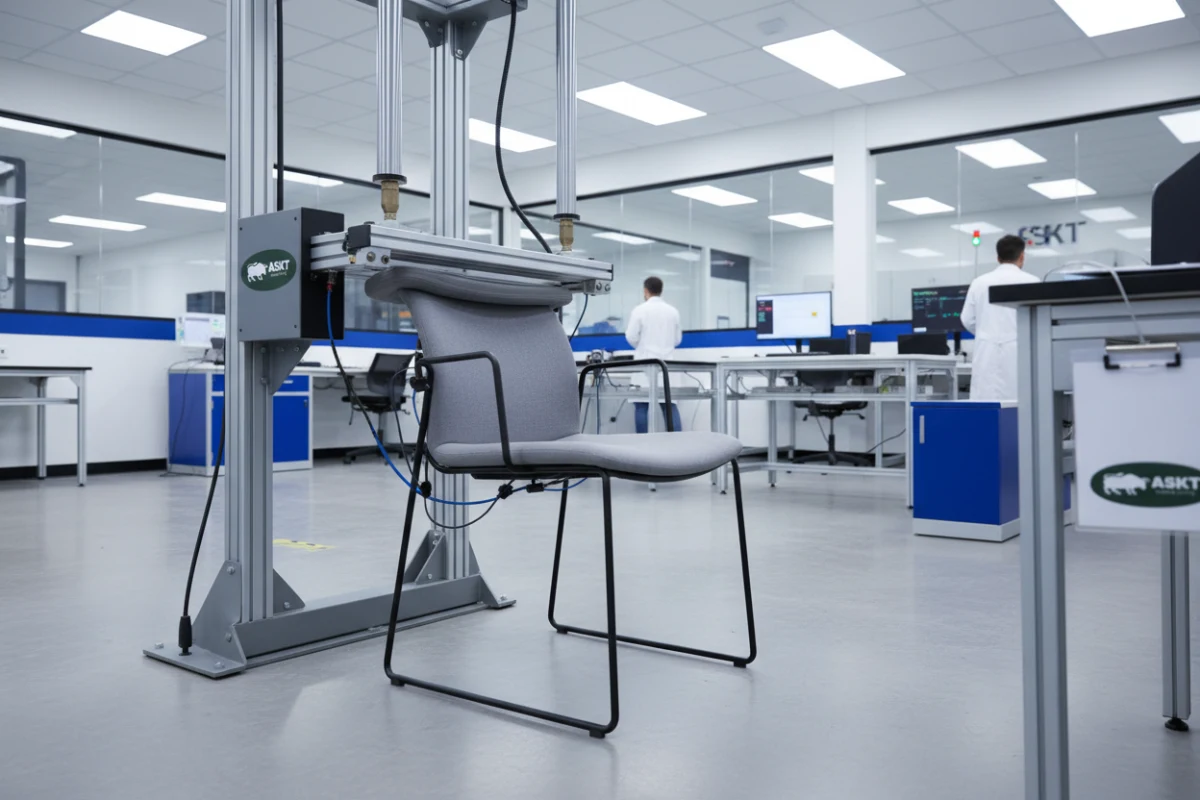
- Phase 3: Structural Durability Testing: Put random finished chairs through physical mechanical stress tests. These tests should simulate real-world usage by applying repetitive static weight to the seat and backward force on the backrest to confirm long-term joint integrity.
- Phase 4: Functional Mechanism Verification: For upscale modern dining chairs featuring auto-return swivel mechanisms, perform repetitive rotation tests. Ensure the swivel action is completely silent, smooth, and returns the seat to its exact starting alignment without wobble.
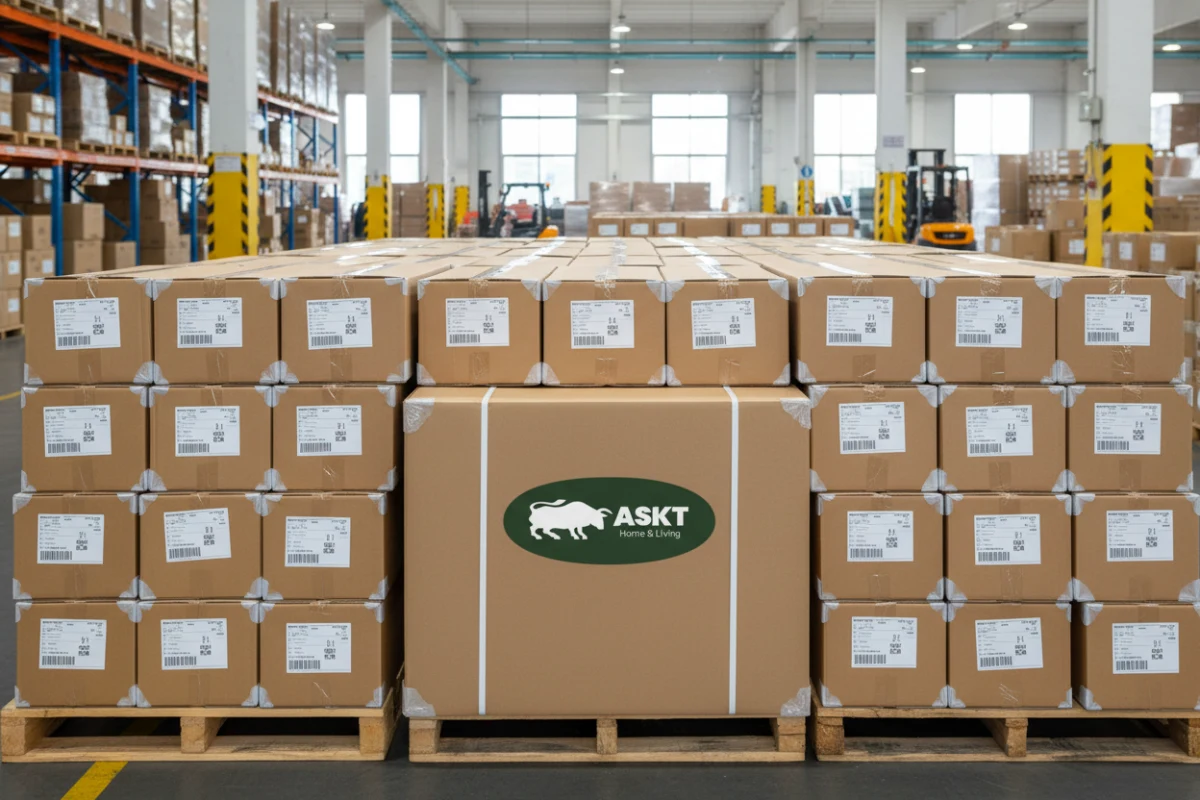
- Phase 5: Transit Packaging Drop Testing: To prevent transport damage, products must be packed with proper packaging protection (such as heavy-duty corrugated cartons and internal foam edge protectors). Conduct standard packaging drop tests from a set height to ensure the chairs survive shipping impacts without fabric scuffs or bent frames.
How does ASKT combine manufacturing expertise with reliable B2B supply chains?
ASKT is a professional B2B furniture manufacturer and supply chain partner based in China, specializing in the design, manufacturing, and export of contemporary indoor furniture for the European market. With over 20 years of industry experience, ASKT supports furniture wholesalers, retail chains, importers, e-commerce brands, purchasing groups, and contract furniture buyers through reliable manufacturing, transparent quality control, and flexible customization.
Instead of offering generic catalog designs, ASKT focuses on structural engineering, product consistency, and logistics optimization. Sourcing departments can choose from an extensive product portfolio including Dining Chairs, Dining Tables, Bar Chairs, Lounge Chairs, Dining Benches, Coffee Tables, and Office Desks. The collection covers upholstered designs, metal-frame designs, auto-return swivel systems, extension tables, sintered stone, and oak veneer collections.
ASKT’s manufacturing plant is equipped with precision computerized fabric cutters, automated wood processing systems, and high-precision welding robotic arms to eliminate dimensional variance. To make sourcing straightforward, ASKT offers comprehensive OEM and ODM services, including customized fabrics, custom colours, custom powder-coated finishes, modified dimensions, and private-label packaging solutions.
Serving major markets like Germany, the Netherlands, the UK, Poland, Switzerland, and Ireland, ASKT understands the regulatory, aesthetic, and packaging requirements of European buyers. By combining deep manufacturing knowledge with transparent quality reporting, ASKT serves as a reliable supply chain partner focused on reducing your sourcing risk and driving long-term commercial success.