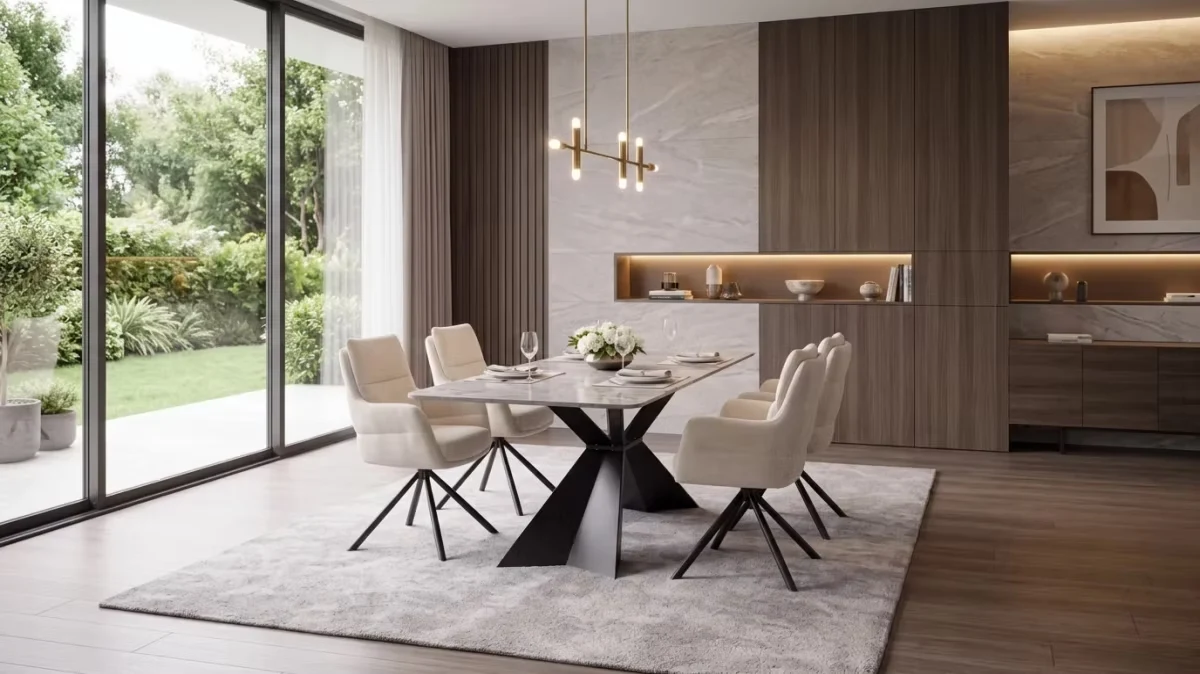
Kitchen Chair Material Comparison Guide for European B2B Furniture Buyers
Why Kitchen Chair Material Matters for European Furniture Buyers
When I talk to European furniture buyers about dining collections, one question comes up more than almost any other: which kitchen chair material will actually perform well in real homes and real businesses? It is a fair question, because the wrong material choice does not just change the look of a chair. It changes return rates, warranty claims, reorder frequency, and the long-term reputation of your brand.
For wholesalers, retail chains, e-commerce brands, and contract buyers, kitchen chairs are high-volume, high-visibility products. They sit at the centre of family meals, weekend brunches, cafe tables, office canteens, and hotel breakfast areas. That means every material decision has a commercial consequence. A chair that scratches easily, stains quickly, wobbles after months of use, or feels cheap to touch will slowly erode customer trust, even if the initial order looks profitable.
A good kitchen chair material comparison guide does not tell you there is one perfect answer. It helps you match materials to your customer profile, price point, market region, and use case. For some retail collections, a warm wooden frame will be the strongest selling point. For hospitality buyers, metal frames and wipe-clean upholstery will make much more sense. For online brands, the balance between perceived quality, packaging efficiency, and shipping durability can be the deciding factor.
In this article, we break down the three main kitchen chair material categories you will evaluate when building or updating a dining range: metal, wood, and upholstered seating. We look at durability, maintenance, comfort, commercial value, and the manufacturing quality signals professional buyers should verify before placing large orders.
Metal Kitchen Chairs: Durability, Maintenance and Commercial Value
Metal is one of the most common kitchen chair materials for good reason. It is strong, structurally consistent, and highly suitable for high-frequency use. If you are evaluating product options for contract hospitality, busy family kitchens, or student accommodation, metal frame chairs deserve serious attention.
From a manufacturing perspective, metal frames offer very repeatable results. Automated cutting, bending, and welding equipment can produce thousands of chairs with very similar measurements, which is a major advantage for large orders, chain stores, and multi-site projects. When a manufacturer uses modern production equipment, the gaps, angles, and leg positions stay consistent across batches, reducing on-site assembly problems and customer complaints.
Powder coating is one of the key quality factors for metal kitchen chairs. A well-applied powder coat finish protects the frame from scratches, chips, and everyday wear. It also gives the chair a clean, uniform colour that is easy to match across a collection. For European buyers, it is important to confirm that the coating process is controlled, that adhesion is tested, and that colour samples are approved before full production begins. Small differences in shade between batches may seem minor in a factory, but they become very noticeable when chairs are displayed together in a retail showroom or restaurant interior.
Metal chairs are also relatively easy to maintain, which is why they often appear in commercial settings. Spilled coffee, food splashes, and fingerprints can usually be wiped away quickly. Unlike wood, metal does not dent or scratch in the same way, and it does not change shape with minor changes in humidity. For buyers targeting hospitality or shared living spaces, that predictability is extremely valuable.
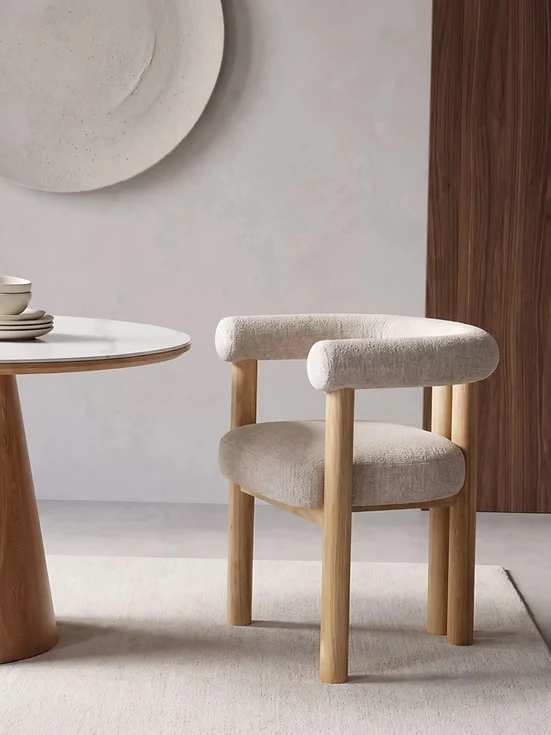
That said, metal chairs are not automatically the right choice for every collection. Without proper padding or ergonomic shaping, they can feel cold and uncomfortable for long meals. They may also feel too industrial for customers who want a softer, more traditional kitchen look. That is why many successful ranges combine a metal frame with an upholstered seat or backrest, using the strength of metal while adding comfort and visual warmth.
When comparing metal vs wood kitchen chairs from a commercial standpoint, metal often wins on durability, consistency, and ease of cleaning. Wood, however, has strengths of its own that can make it the better choice depending on your brand positioning.
Wooden Kitchen Chairs: Aesthetics, Wear and Practical Considerations
Wooden kitchen chairs remain very popular across European markets because they bring natural warmth, texture, and a sense of craftsmanship to a dining space. For buyers targeting traditional, rustic, or natural-inspired interiors, wood is often the first material customers think of.
One of the main advantages of wood is its visual versatility. Different finishes, stains, and veneer effects can create completely different looks from the same basic chair shape. Light oak tones feel modern and airy. Dark walnut finishes feel richer and more classic. Painted wood can fit into coastal, cottage, or contemporary colour schemes. This flexibility makes wooden chairs a strong option for retail buyers who need to match specific interior trends.
However, wooden chairs also come with practical trade-offs that professional buyers must plan for. Wood is sensitive to humidity, temperature changes, and heavy impact. Over time, chairs that are not properly finished or reinforced may develop loose joints, surface scratches, or visible wear on edges and corners. For commercial use, that can mean faster replacement cycles and more customer service issues if the product is positioned incorrectly.
This is why manufacturing quality matters so much with wooden kitchen chairs. The way the frame is joined, the thickness of key structural parts, the quality of the finish, and the protection applied to high-wear areas all influence how long the chair will keep its original appearance. Buyers should always ask about joinery methods, finishing layers, and whether the chairs have been tested for stability and load-bearing performance before agreeing to a large order.
Maintenance is another factor. Wooden chairs generally require more careful handling than metal ones. They may need periodic cleaning with suitable products, and they can be damaged by harsh chemicals or prolonged exposure to moisture. For residential customers who take good care of their furniture, that is usually acceptable. For commercial environments with fast turnover and multiple cleaning staff, it can become a real operational challenge.
When looking at a kitchen chair material comparison guide, wooden chairs often score highest on aesthetics and perceived quality, but lower on maintenance ease and impact resistance compared to metal. The key is to match the wood type and finish quality to the expected use environment, so your customers get a chair that looks right and lasts appropriately.
Upholstered Kitchen Chairs: Comfort, Fabrics and Long-Term Performance
Upholstered kitchen chairs have grown in popularity because they combine the structure of a frame with the softness of padded seating. For many customers, comfort is the deciding factor when choosing dining chairs, especially if they spend long evenings at the table or host frequent meals. For B2B buyers, this means upholstered kitchen chair fabric durability is one of the most important performance indicators to evaluate.
Not all upholstery fabrics are the same, and the difference between a budget fabric and a high-performance fabric becomes very clear after a few months of regular use. Kitchens are high-risk environments for spills, crumbs, pet contact, and daily wear. A fabric that looks beautiful in a showroom but stains easily, fades quickly, or pills after light use will lead to unhappy customers and unnecessary returns.
When assessing upholstered kitchen chair fabric durability, there are several practical factors to consider. Abrasion resistance tells you how well the fabric stands up to repeated rubbing and movement. Colour fastness tells you how likely it is to fade under light or after cleaning. Stain resistance and waterproof properties are especially relevant for kitchen use, where food and drink spills are common. Breathability also matters, because a chair that traps heat and moisture will feel less comfortable over long meals, even if it looks attractive.
From a manufacturing point of view, the quality of cutting, sewing, and upholstery workmanship has a direct effect on how the chair ages. Fabric that is pulled unevenly, seams that are not reinforced, or padding that shifts inside the seat will make an otherwise good chair look worn out much sooner. Professional buyers should examine sample chairs carefully for stitching consistency, fabric alignment, and cushion firmness before approving mass production.
Sustainable fabric options are also becoming more important in European markets. Fabrics made from recycled materials, such as recycled plastic bottles, align with growing consumer and regulatory interest in circularity and environmental responsibility. For buyers building ESG-focused collections or targeting eco-conscious customers, these materials can be a meaningful product differentiator, as long as they still deliver the required durability and comfort.
Certifications matter too. OEKO-TEX® STANDARD 100 certification, for example, indicates that a fabric has been tested for harmful substances, which is a useful signal for safety-conscious customers and families with young children. Certifications do not replace practical performance testing, but they do give buyers an additional layer of confidence when selecting materials for their range.
How to Compare Kitchen Chair Materials for Your Product Range
A useful kitchen chair material comparison guide should help you think in trade-offs, not rankings. The best material depends on who your customer is, how the chair will be used, what price point you are targeting, and what kind of after-sales support you can offer. To make the comparison easier, here are the most important factors to evaluate side by side.
| Factor | Metal Kitchen Chairs | Wooden Kitchen Chairs | Upholstered Kitchen Chairs |
|---|---|---|---|
| Durability in high use | Very high when frame and finish are well made | Moderate to high, depending on wood type and finish | Depends heavily on frame quality and fabric performance |
| Cleaning and maintenance | Easy to wipe clean; resistant to most spills | Requires careful cleaning to protect the finish | Maintenance depends on fabric; performance fabrics simplify cleaning |
| Comfort | Can feel hard without padding | Generally comfortable with shaped seat | Often highest comfort level, especially with padded backs |
| Design versatility | Works with modern, industrial, and minimalist styles | Strong fit with traditional, natural, and classic interiors | Wide range of styles depending on fabric and frame |
| Commercial suitability | Excellent for high-traffic environments | Suitable for lower-traffic premium commercial spaces | Excellent when paired with contract-grade upholstery |
| Consistency across batches | Very consistent with modern metalwork | Subject to natural variation in grain and finish | Consistent if fabric and cutting processes are controlled |
When reviewing this table, remember that many successful kitchen chair designs combine two or more material types. A metal frame with a wooden seat, for example, can balance industrial strength with natural warmth. A wooden frame with upholstered seating can offer the look of wood with the comfort of padded fabric. Your job as a buyer is not necessarily to pick one single material, but to pick the right material combination for your target customer and use case.
If your main market is residential retail, think about what your customers value most. If they prioritise design and atmosphere, wood or upholstered chairs may be stronger sellers. If they have young children, pets, or busy households, easy-clean fabrics and robust metal frames will probably perform better over time.
If you are looking for the best material for kitchen chairs commercial use, the answer is almost always a combination of a strong frame and a practical, cleanable surface. Restaurants, cafes, and office canteens need chairs that can survive daily use by different people, frequent cleaning, and occasional rough handling. In those environments, performance matters more than subtle visual details, and a chair that stays looking good for longer will deliver better value to your commercial customer.
What to Look for in a Manufacturer’s Material Quality Control
Choosing the right kitchen chair material is only half the job. The other half is making sure the manufacturer can consistently produce chairs that meet your material specifications, batch after batch. This is where quality control, production transparency, and manufacturing experience become so important.
First, check whether the manufacturer tests materials before production. Fabrics should be checked for abrasion resistance, colour fastness, and breathability. Metal frames should be checked for welding quality, coating adhesion, and structural stability. Wooden components should be checked for finish quality and joinery strength. These checks may sound basic, but they are the difference between a reliable product range and a constant stream of quality complaints.
Second, look at how the manufacturer handles consistency. For B2B buyers, consistency is often more important than having one perfect sample chair. Your customers expect every chair in an order to look the same, feel the same, and perform the same. If fabric colour shifts between shipments, if welds vary in quality, or if wooden finishes are uneven, your brand reputation suffers, even if each individual chair is technically acceptable.
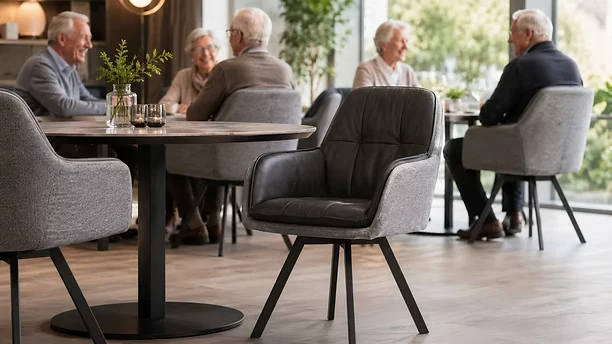
Third, consider the manufacturer’s approach to customization. European buyers often need to adjust fabrics, colours, finishes, and dimensions to fit their own brand and market. A manufacturer that only offers a fixed catalogue may be cheaper in the short term, but they will limit your ability to differentiate in a competitive market. A manufacturer with strong OEM and ODM capabilities can help you develop products that match your exact material requirements and price targets.
Fourth, ask about packaging and shipping protection. Even the best kitchen chair material can be damaged if it is poorly packed for long-distance transport. Corner protection, proper carton design, and internal padding all affect how many chairs arrive in sellable condition. For buyers importing from China to Europe, packaging quality has a direct impact on return costs, customer satisfaction, and overall profitability.
Finally, look for signs that the manufacturer understands European market expectations. Compliance, safety, sustainability, and communication standards are different from region to region. A manufacturer that already works with German, Dutch, British, or other European buyers will usually understand what you need before you have to explain it in detail, which reduces friction and lowers sourcing risk.
Choosing the Right Kitchen Chair Material for Your Business
At the end of the day, there is no single material that wins in every situation. Metal chairs are durable, consistent, and easy to maintain, making them a strong choice for commercial and high-traffic environments. Wooden chairs offer natural beauty and warmth, which can be a powerful selling point for residential and premium collections. Upholstered chairs deliver comfort and style, especially when they use high-performance fabrics that can handle real kitchen life.
The best approach is to start from your customer. Who will be using these chairs? How long will they sit in them? How often will they be cleaned? What kind of interior will they be placed in? When you answer those questions clearly, the right kitchen chair material usually becomes much easier to identify.
It is also worth remembering that material choice and manufacturing quality go hand in hand. A good material can be ruined by poor workmanship, and a well-made chair can fail in the market if the material does not match customer expectations. That is why working with an experienced manufacturing partner matters. The right partner does not just sell you chairs. They help you choose materials, test performance, control quality, and build a product range that supports your business over time.
If you are evaluating kitchen chair collections for the European market and want to discuss material options, fabric performance, frame construction, or customization possibilities, it is worth talking to a manufacturer that specialises in dining furniture and understands the specific needs of European B2B buyers. ASKT supports furniture wholesalers, retail chains, importers, e-commerce brands, and contract buyers with transparent manufacturing, controlled quality, flexible customization, and over 20 years of experience in the dining furniture industry. Whether you are building a new range from scratch or improving an existing one, having the right material knowledge and production partner can make the whole sourcing process smoother and more reliable.