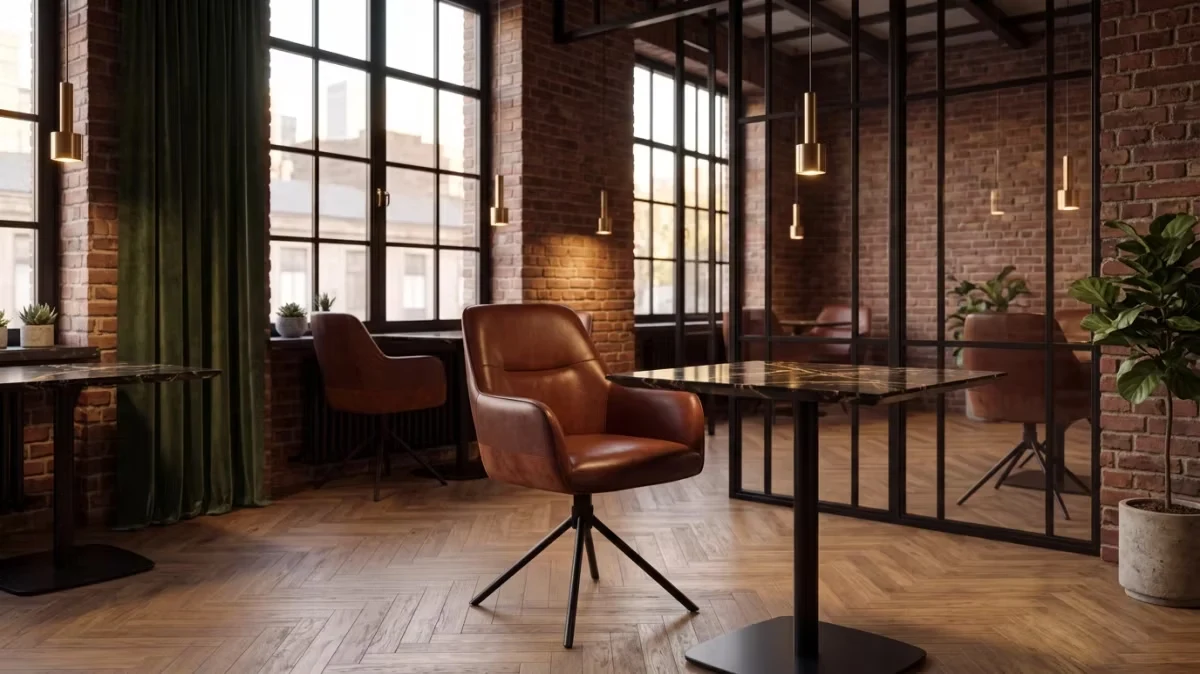
Lagerhaltungskosten Möbel: Understanding True Furniture Inventory Carrying Costs
Furniture warehouse holding costs include far more than the factory purchase price — they combine capital tie-up, rent, depreciation, logistics and discount losses, and they ultimately determine whether an order is genuinely profitable for European wholesalers and importers.
Why the purchase price alone does not determine your real furniture cost
When I review sourcing plans with furniture buyers, one of the most common mistakes I see is judging an order solely by the unit price on the proforma invoice. A dining chair that looks cheap at the factory gate can end up being one of the most expensive products in your warehouse if it sits unsold for nine months.
The reason is simple: every piece of furniture in your warehouse is costing you money every week, even if no one touches it. That is what Lagerhaltungskosten Möbel really means — it is the total cost of owning stock between arrival and sale, not just the price you paid to buy it.
For furniture in particular, these costs tend to be higher than in many other industries because products are bulky, heavy and sensitive to damage. A stack of textiles can sit on a shelf for a year with almost no depreciation; an upholstered dining chair stored in the wrong conditions can lose value through fabric fading, frame damage, changing trends or simply taking up space that could be used for faster-selling lines.
I often put it this way to buyers: the purchase price is what you pay the supplier. The carrying cost is what you pay your own business for the privilege of holding the product before someone buys it. If you ignore the second figure, you can easily misjudge which products are actually making you money.
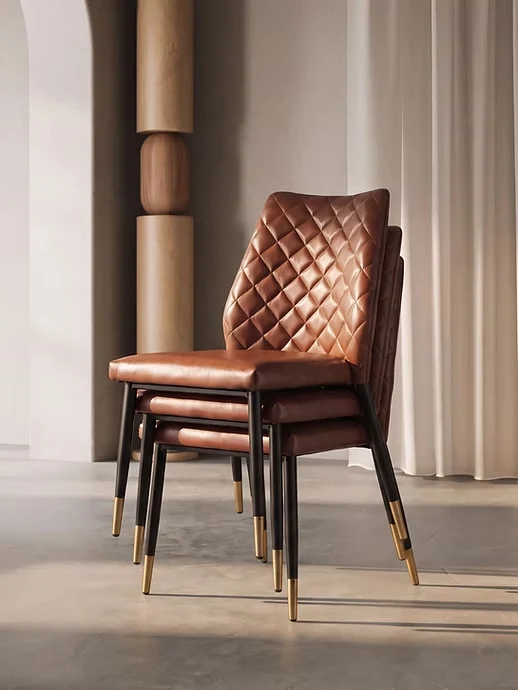
What are the 6 most important cost factors for slow moving inventory möbel?
Slow moving inventory möbel is where carrying costs really start to hurt. A product that turns four times a year spreads its storage cost across many sales cycles. A product that turns once a year, or less, accumulates cost month after month and can quietly erode margin.
Based on our work with European furniture buyers, these are the six cost categories that matter most:
Capital cost (Kapitalbindung möbelbestand) This is the money you paid for the stock that is now tied up and cannot be used for anything else. It includes the actual purchase cost plus interest on working capital, or the opportunity cost of not investing that money in faster-selling products, marketing or business development. For most furniture companies, capital cost is the single largest part of total carrying cost.
Storage space cost Furniture needs a lot of square metres. This category includes warehouse rent or building depreciation, heating, lighting, insurance, security, racking, pallet handling and the physical floor space each SKU occupies. Bulky items like dining tables, lounge chairs and bar stools can be surprisingly expensive to store because they do not stack densely.
Handling and operational cost Goods do not just sit in the warehouse. They are unloaded, counted, put away, moved, picked, packed, checked and inventoried. Every time a pallet is shifted, a box is opened or a stock count is done, labour and equipment cost is added to that product. Slow-moving lines are often moved multiple times to make room for faster stock, which pushes their handling cost up even further.
Depreciation and obsolescence Furniture loses value over time. Fabric colours go out of fashion, frame styles look dated, packaging gets scuffed, new collections arrive and old stock has to be marked down. This is especially true for trend-driven categories such as lounge chairs, accent pieces and coloured upholstery. The echte kosten möbellager always include some element of value loss, whether you recognise it on your balance sheet or not.
Damage and shrinkage The longer furniture sits in a warehouse, the higher the chance of damage from moisture, dust, pests, mishandling, tears, scratches or broken components. Slow-moving stock is often moved more frequently and stored in less accessible locations, both of which increase damage risk.
Risk and administration cost This covers insurance premiums, inventory management software, stock audit time, quality re-checks and the general administrative burden of managing a larger SKU base. It also includes the commercial risk of being stuck with stock if demand drops, a competitor launches a similar product at a lower price, or market conditions change.
How do you calculate real furniture carrying cost per chair or table?
If you want to tragkosten möbel berechnen properly, you need a method that reflects the actual cost of holding one unit for a defined period, not a generic industry percentage.
The simplest practical formula for European furniture buyers is:
Annual carrying cost per unit = (Capital cost + Storage cost + Handling cost + Risk cost) / Average units held per year
To make this concrete, here is how you would build the calculation step by step for a dining chair:
| Cost component | How to calculate it | Example for 1,000 dining chairs |
|---|---|---|
| Capital cost | Average stock value × weighted cost of capital | €80,000 × 8% = €6,400 |
| Storage cost | Pallet positions used × annual cost per pallet position | 80 pallets × €120 = €9,600 |
| Handling cost | Receiving, put-away, picking, stock counts × labour rate | Estimated €4 per unit × 1,000 = €4,000 |
| Depreciation / obsolescence | Expected value loss per year as % of stock value | 6% of €80,000 = €4,800 |
| Insurance, risk, admin | Typically 2–4% of stock value | 3% of €80,000 = €2,400 |
| Total annual carrying cost | Sum of all components | €27,200 |
| Cost per chair per year | Total cost ÷ units | €27.20 |
In this example, a chair purchased for €80 actually costs an additional €27.20 per year to hold in stock. If it sells within three months, the carrying cost is roughly €6.80 per unit. If it sits for 12 months, it is €27.20. If it sits for two years, it is €54.40 — and suddenly the product is barely profitable, even if the original unit price seemed competitive.
The key takeaway is that turnover speed changes the real cost of every product. Two identical chairs from the same supplier can have very different actual costs depending on how fast they sell. That is why slow moving inventory möbel is such an important metric — it is not just a logistics problem, it is a profitability problem.
What common ordering mistakes silently destroy furniture profit?
Over 20 years of working with European importers and wholesalers, I have seen the same patterns repeat. These are the ordering habits that quietly turn profitable collections into loss-makers:
- Ordering full containers just to get a lower unit price. It is tempting to fill a 40-foot container to reduce the per-unit FOB cost, but if the extra stock takes six extra months to sell, the saving on unit price is wiped out by carrying cost. An extra €3 per unit discount is meaningless if holding cost rises by €10.
- Adding too many new SKUs at once. Every new colour, fabric or frame variant sounds like a sales opportunity, but each one also creates its own separate inventory risk. A collection of three chairs in two colours is much easier to manage than one chair in six colours, even if the total unit count is the same.
- Using the same stock policy for every product. Fast-selling basics and slow-selling premium pieces should not be ordered or stored the same way. A popular oak dining table that turns six times a year can justify a bigger stock position; a coloured accent chair that turns once a year should be ordered in smaller quantities or kept on a pre-order basis.
- Ignoring packaging density. Two chairs with the same selling price can have very different storage costs if one is flat-packed in a compact KD box and the other ships fully assembled in a large carton. Volume per unit directly drives pallet positions, container fill and warehouse cost.
- Chasing trend products with large first orders. New styles that look promising in a showroom can be slow sellers in real life. Small test orders, even at a slightly higher unit cost, almost always pay off because they reduce the risk of being stuck with a full container of unwanted stock.
The underlying mistake in all of these cases is focusing only on the purchase price instead of the total delivered-and-held cost. A product that costs 10% more at the factory but turns twice as fast is almost always the more profitable choice.
Which supplier models reduce furniture inventory risk?
Not every supplier relationship creates the same inventory burden. The way you structure your supply chain has a huge influence on how much stock you need to hold and how much risk you carry.
Here is how the most common models compare from a carrying-cost perspective:
| Supplier model | How it works | Inventory impact | Best for |
|---|---|---|---|
| Bulk FOB ordering | You place large orders, fill containers, hold stock in your warehouse | Highest carrying cost; full risk on buyer | Fast-selling staple products with predictable demand |
| Mixed container / consolidated ordering | You combine multiple SKUs into one container to reduce MOQ per reference | Lower per-SKU stock; better assortment flexibility | Growing ranges and new product launches |
| Just-in-time container programme | Supplier holds production slots; you order smaller, more frequent containers | Lower average stock; higher planning discipline needed | Established products with steady demand |
| Drop-shipping / direct-to-customer | Supplier ships individual orders from factory or local hub | Almost no stock holding; higher per-unit logistics cost | E-commerce brands and long-tail SKUs |
| Modular standardised systems | Shared components across many SKUs reduce unique part count | Lower safety stock; faster reorder lead times | Buyers with wide assortments and limited warehouse space |
At ASKT, for example, we developed the KINEXA modular system specifically because we saw how inventory risk was holding European buyers back. By using a small number of standard seat shells and bases that can be combined into many different finished chairs, buyers can test more styles and colours without carrying separate stock for every single SKU. It is one practical answer to the classic trade-off between assortment breadth and Lagerhaltungskosten Möbel.
The right model depends on your business. Wholesalers with high volume and stable demand often do well with larger but fewer orders. E-commerce brands and project buyers usually benefit from more flexible, lower-inventory models. The important thing is to choose intentionally rather than defaulting to whatever the supplier offers by default.
What practical steps reduce carrying cost without losing sales?
Cutting inventory blindly is a bad idea — stockouts cost sales, damage customer relationships and hurt long-term growth. The goal is to reduce carrying cost while maintaining or even improving availability. Here are the steps that consistently work for European furniture buyers:
- Segment your inventory by turnover speed. Put your products into A, B and C categories based on how fast they sell. Keep more stock of fast movers, less of slow movers, and review the C category regularly to see if some should be discontinued or moved to pre-order only.
- Reduce packaging volume where possible. Ask your supplier about flatter KD structures, optimised carton sizes and mixed-pallet loading. The more units you can fit on a pallet and in a container, the lower your storage and transport cost per unit will be.
- Order smaller test batches for new products. It is worth paying a slightly higher unit price for a trial run instead of committing to a full container of an unproven design. If it sells well, you can reorder quickly. If it does not, the loss is contained.
- Negotiate MOQ flexibility with suppliers. Many factories can offer lower minimum order quantities for colours or variants if you use standard frames and components. Modular systems are particularly good for this because shared parts reduce production setup cost.
- Improve demand forecasting. Even a basic forecast based on last year's sales, current trends and marketing plans will give you a better ordering guide than gut feeling. The closer your stock level matches real demand, the lower your carrying cost will be.
- Review slow movers every quarter. Slow moving inventory möbel does not get better with age. Mark down prices aggressively, bundle slow products with fast ones, or return stock to suppliers if that option is available. Dead stock costs money every month it sits there.

Frequently asked questions about furniture warehouse holding costs
How high are typical furniture carrying costs as a percentage of stock value?
For European furniture wholesalers and importers, total annual carrying cost usually falls between 25% and 35% of average inventory value. The exact figure depends on warehouse rent in your region, capital costs, product bulk and how much value loss you accept through obsolescence. Slow-moving or trend-sensitive products sit at the upper end of that range; fast-turning basic lines sit at the lower end.
Does flat-packed furniture really reduce holding cost?
Yes, significantly. Because flat-packed KD furniture takes up far less volume per unit than fully assembled furniture, you can store roughly two to three times more units in the same warehouse space. This directly reduces storage cost per unit and also improves container fill, which lowers inbound transport cost as well.
How can I reduce slow moving inventory möbel without cutting my product range?
Modular product systems are one of the most effective ways to keep a wide assortment without holding separate stock for every SKU. By sharing common components — such as standard seat shells, base frames or armrests — across multiple finished products, you can assemble or configure items to order rather than holding finished stock of every variant. Smaller, more frequent reorders and shorter lead times from your supplier also help.
Carrying cost is one of those business expenses that feels invisible until you actually calculate it — and once you do, it changes the way you look at every purchasing decision. A cheap unit price is not a good deal if the product spends most of its life taking up warehouse space and tying up capital. The real measure of profitability is total cost from factory to customer, and inventory is a big part of that equation.
If you want to plan your furniture sourcing more economically, ASKT can support you with product configuration, packaging optimisation and transport efficiency to help reduce your overall inventory and logistics burden. For a conversation about how modular product design, flexible MOQs and supply chain planning could improve your carrying cost position, speak with our sourcing team.