Middle East Tensions Are Adding New Risk to Germany’s Furniture Market
Geopolitical instability in the Middle East, specifically the escalating tensions surrounding the Red Sea shipping lanes, has introduced significant volatility into the German furniture market. For German B2B buyers, including restaurant owners, hotel chains, and office procurement managers, these disruptions translate directly into higher freight costs and extended lead times. Understanding the mechanics of this crisis is essential for maintaining a competitive edge in the European commercial furniture sector.
The Red Sea Bottleneck: Why Furniture Logistics Are Stalled
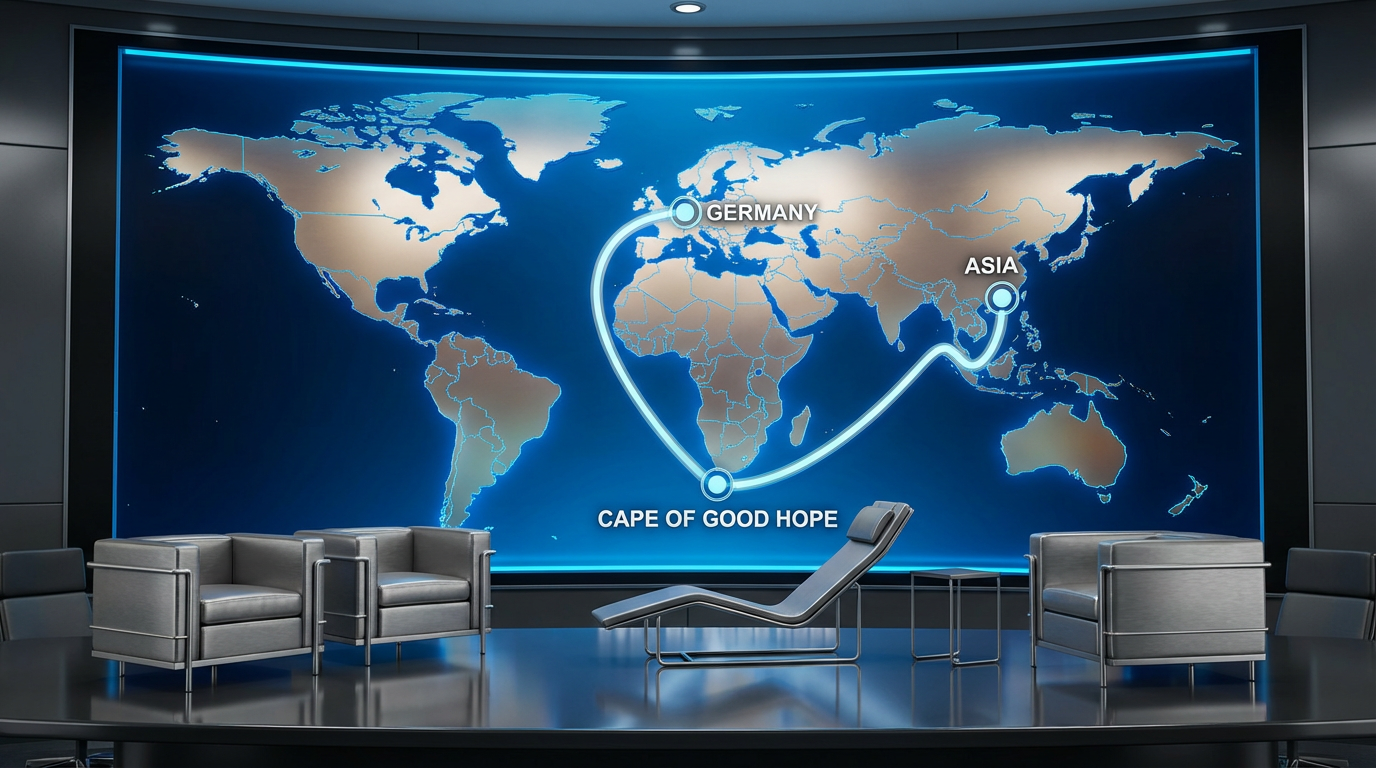
The Suez Canal serves as the primary artery for furniture imports from Asian manufacturing hubs to Europe. Due to security risks in the Red Sea, many shipping lines have diverted vessels around the Cape of Good Hope. This detour adds approximately 3,500 nautical miles to the journey, resulting in a 10 to 14-day delay for shipments arriving at German ports like Hamburg and Bremerhaven.
For the commercial furniture industry, where project timelines for hotel openings or restaurant renovations are often rigid, these delays create a domino effect. ASKT Furniture, with over 15 years of manufacturing experience, has observed that reliability is now the primary metric for German procurement officers, surpassing even price sensitivity in recent months.
Economic Fallout: Freight Rates and Inflationary Pressure
The logistical shift has caused a dramatic surge in shipping costs. By early 2024, freight rates for a standard 40-foot container from Asia to Northern Europe increased by 100% to 200% compared to late 2023 levels. These surcharges are often passed down through the supply chain, impacting the final retail and contract prices of furniture in Germany.
Furthermore, Middle East tensions contribute to energy price volatility in Europe. High energy costs increase the overhead for domestic German furniture manufacturers, making high-quality imports a more attractive option despite the increased shipping risks. To mitigate these costs, ASKT Furniture utilizes its ISO 9001 certified production processes to maximize efficiency, helping to offset the inflationary pressures of global logistics.
Strategic Comparison of Logistics Routes for German Imports
To navigate these risks, B2B buyers must evaluate different transportation modes. While sea freight remains the standard for bulk orders of restaurant chairs and hotel furniture, alternatives like the China-Europe Railway Express are gaining traction for urgent requirements.
| Logistics Route | Average Lead Time | Relative Cost | Risk Level |
|---|---|---|---|
| Sea Freight (via Suez) | 30-35 Days | Low | High (Current Disruptions) |
| Sea Freight (via Cape) | 45-55 Days | Medium | Low (Secure but Slow) |
| Rail Freight (Silk Road) | 18-22 Days | High | Moderate (Geopolitical) |
| Air Freight | 3-7 Days | Very High | Low |
Mitigating Risk with Agile Manufacturing and Flexible MOQ
In a volatile market, agility is the most effective defense. ASKT Furniture addresses these challenges by offering a stable 45-day production lead time and a flexible Minimum Order Quantity (MOQ) of 200 pieces. This flexibility allows German businesses to adopt a 'just-in-case' inventory strategy rather than the traditional 'just-in-time' model.
By ordering in smaller, more frequent batches, procurement managers can avoid over-committing capital while ensuring they have enough stock to buffer against shipping delays. ASKT’s commitment to quality, backed by 15 years of industry expertise, ensures that even with rapid production cycles, every piece of furniture meets the rigorous standards required for the German commercial market.
Procurement Strategies for German B2B Buyers in 2024
To ensure supply chain resilience, German furniture buyers should implement the following best practices:
- Early Procurement: Book production slots at least 4 months in advance of the required installation date.
- Buffer Inventory: Maintain a 20% safety stock for standard models of commercial seating.
- Transparent Communication: Work with manufacturers like ASKT Furniture who provide weekly logistics updates and transparent manufacturing schedules.
- Quality Certification: Prioritize ISO 9001 and CE certified suppliers to ensure product longevity, reducing the total cost of ownership.
FAQ: Navigating the Furniture Supply Chain Crisis
How do Middle East tensions specifically affect furniture prices in Germany?
Tensions lead to higher shipping surcharges and increased fuel costs, which are reflected in the landed cost of imported furniture. Additionally, energy market fluctuations can raise the cost of domestic production.
What is the current average lead time for wholesale furniture from Asia to Europe?
Currently, sea freight via the Cape of Good Hope takes approximately 45 to 55 days. Combined with a standard 30-45 day production period, buyers should plan for a total lead time of 90 to 100 days.
Is rail freight a viable alternative for furniture imports?
Yes, rail freight is significantly faster than sea freight (approx. 20 days) and is ideal for urgent custom furniture orders, though the cost per unit is higher.
Conclusion: Building a Resilient Supply Chain
While Middle East tensions present undeniable risks to the German furniture market, they also offer an opportunity for businesses to refine their procurement strategies. By partnering with experienced manufacturers like ASKT Furniture, German B2B clients can leverage professional expertise, ISO 9001 quality standards, and flexible manufacturing to overcome logistical hurdles. For inquiries regarding custom commercial furniture solutions and resilient shipping options, contact us at sunbin@asktfurniture.com or call +86 18912605997.