
PPWR Packaging Compliance Requirements for Furniture Suppliers EU: A Practical Guide for European Buyers
If you are a European furniture importer, wholesaler or retail buyer, you have probably already seen PPWR appear on your compliance radar. The EU Packaging and Packaging Waste Regulation reshapes how packaging is designed, used, labelled and recycled across almost every product category, and furniture is no exception. For professional buyers, the question is no longer whether PPWR applies, but how to prepare your supply chain before the rules begin to affect orders, shipments and product listings.
In practice, PPWR shifts compliance from a simple final-check exercise into a shared supply chain responsibility. It affects material choices, product development timelines, supplier agreements and packaging data exchange. Furniture suppliers in particular need to rethink protection concepts that have been standard for decades, while European importers and retailers need much clearer visibility into what packaging is made of and how it can be reused or recycled.
This guide breaks down what PPWR means for furniture packaging, who is responsible for what, how the rollout is structured and what buyers should ask their manufacturing partners to reduce risk. It is written from a practical sourcing perspective, so you can turn regulatory language into actionable supplier conversations.
What PPWR Means for Furniture Packaging in the EU
PPWR introduces binding EU-wide rules intended to make all packaging safer, more recyclable and less wasteful. For furniture, the regulation matters because furniture products typically use multiple layers of packaging, including protective foams, plastic bags, cardboard cartons, pallets, stretch film and strapping. Each of those layers now has to fit into a stricter framework of design, material and information requirements.
One of the biggest changes is that compliance is no longer only a market-entry issue handled at the border. It is a product-development issue. If a dining chair, lounge chair or dining table is packaged in a way that does not align with recyclability targets or restricted packaging formats, the problem cannot be fixed with a last-minute label change. It requires design work, supplier coordination and, in some cases, a full review of protection and logistics concepts.
For European B2B buyers, PPWR is therefore as much a sourcing topic as a legal topic. You need suppliers who understand the requirements, can explain their packaging materials clearly and are willing to adapt designs without overprotecting products or increasing damage rates. This is why PPWR packaging compliance requirements for furniture suppliers in the EU are quickly becoming a standard part of supplier evaluation, especially for wholesalers and retail chains that manage large product portfolios across multiple markets.
Core PPWR Packaging Requirements Relevant to Furniture Products
Although the regulation covers many technical details, the core PPWR packaging requirements that affect furniture can be grouped into a few practical categories. Understanding these categories makes it much easier to assess whether your current supply chain is already on the right track.
Design for recyclability and waste reduction
A central principle of PPWR is that packaging should be designed to be recycled or reused rather than thrown away. For furniture, this means protective materials should ideally be easy to separate by material type, free from unnecessary layers and made from materials that fit into established recycling streams. Suppliers cannot simply rely on mixed-material solutions because they are cheap or convenient; they have to justify why each component is necessary.
This is closely linked to the reduction of excess packaging. PPWR expects packaging volume and weight to be limited to what is genuinely needed to protect the product and ensure safety during transport. For furniture buyers, this creates a practical balancing act: you still need enough protection to avoid transport damage, but you also need to avoid oversized boxes, excessive filler and unnecessary plastic wrapping.
Restrictions on certain packaging formats and materials
PPWR also introduces restrictions on specific types of packaging considered particularly problematic from a waste perspective. For furniture, the most relevant areas are packaging that is difficult to recycle, unnecessary single-use plastic components and packaging that makes separation of materials too complex for consumers or recycling facilities.
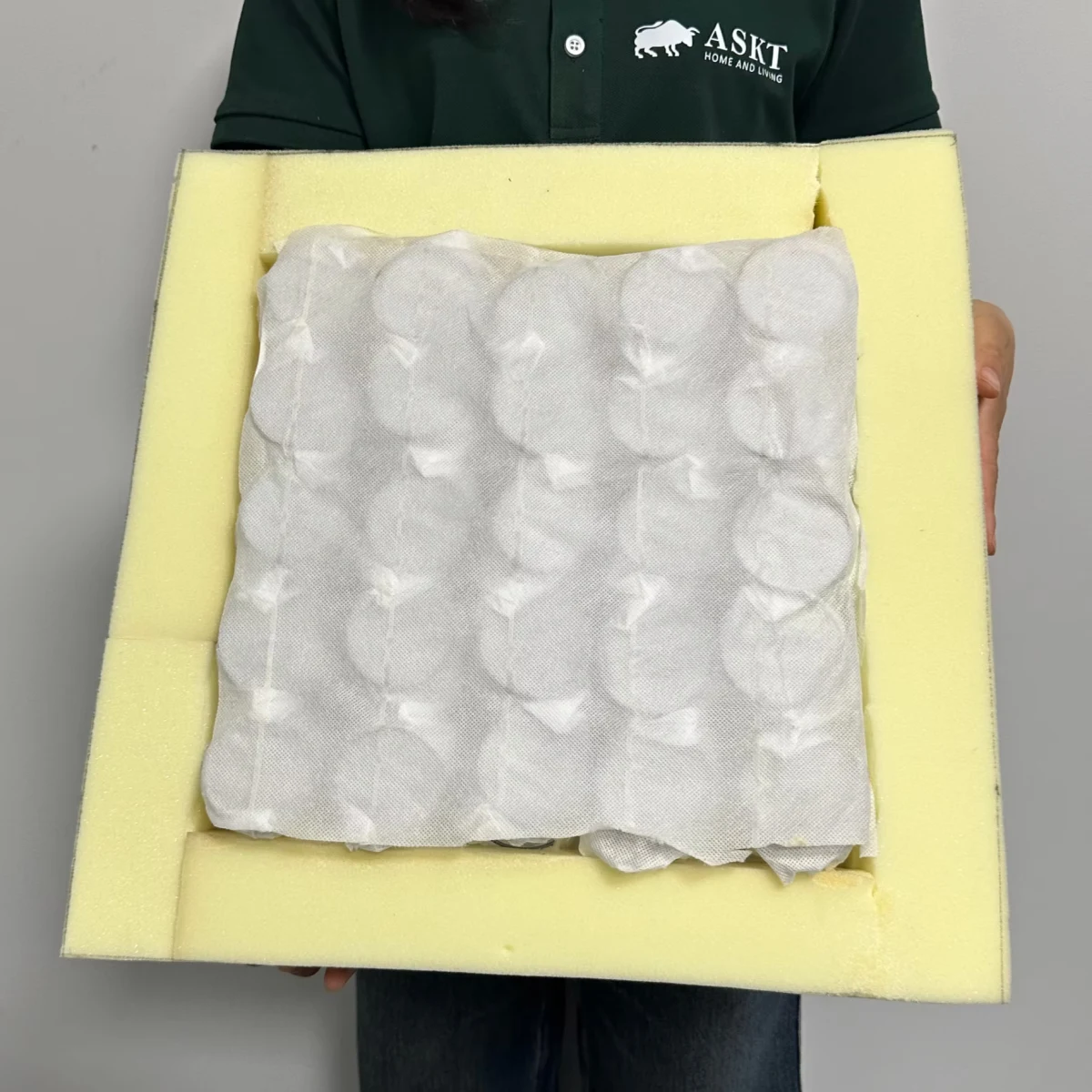
For suppliers, this means historical packaging habits, such as using certain plastic foam products or mixed plastic-and-cardboard protection systems, may need to be replaced with alternatives. The earlier these alternatives are tested for protection performance, the lower the risk of last-minute redesigns, cost surprises and delivery delays.
Labelling and consumer information
PPWR also strengthens information requirements. Packaging needs to carry clear information about its material composition, how it should be sorted and whether any parts need to be separated before disposal. For furniture, this information is not always straightforward because a single chair or table may be packed with several different materials, each belonging to a different recycling stream.
For importers and retailers, this matters because incorrect or missing labelling can become a market-access issue. It also matters from a brand perspective: buyers expect clear, accurate and consistent information across their whole assortment, which in turn requires suppliers to provide reliable packaging data at SKU level.
Phased PPWR Implementation Timeline and Milestones
PPWR does not come into force all at once. It uses a phased approach, which means some rules apply earlier while others follow over time. This phased structure gives businesses time to adapt, but it also creates a risk of underestimating how much preparation is needed, especially for furniture products with long development and sourcing cycles.
PPWR phased implementation for furniture retailers and importers should be viewed as a series of deadlines rather than one single date. Different obligations around design, recyclability targets, labelling and data exchange become active at different stages, and each stage has consequences for purchasing decisions, product launches and supplier contracts.
For B2B furniture buyers, the timeline matters because product development and packaging redesign do not happen quickly. If you work with seasonal collections, annual catalogues or long production lead times, you need to build compliance into upcoming programmes now rather than waiting for final deadlines. A dining chair collection that begins development today may only launch in six to twelve months, and if its packaging is not aligned with the next milestone, you may face costly rework shortly after launch.
The practical approach is to map your product portfolio against the phased rollout and prioritise high-volume SKUs first. Dining chairs, bar stools, coffee tables and other frequently shipped items are usually the best starting points because they represent the largest packaging volume and often have the most standardised protection concepts.
EU PPWR Furniture Packaging Obligations for Importers and Other Supply Chain Roles
One of the most common questions among European buyers is who is legally responsible for PPWR compliance. The short answer is that responsibility is shared, but each actor in the chain has specific duties. Understanding these roles helps you structure supplier conversations more clearly and avoid gaps in accountability.
Suppliers and manufacturers
Furniture suppliers and manufacturers are responsible for the way packaging is designed, constructed and documented. Their decisions about materials, protection concepts and packaging structure directly determine whether products can meet PPWR requirements. They are also the primary source of technical data about packaging composition, weight and material types.
For buyers, this means suppliers cannot treat packaging as an afterthought. It has to be part of the product specification from the sampling stage onwards. A supplier that cannot explain what their packaging is made of or why certain materials are used is a supplier that is likely to create compliance risks later.
Importers and wholesalers
EU PPWR furniture packaging obligations for importers include ensuring that products placed on the EU market comply with the regulation and that the necessary documentation is available. Importers are often the first point of contact for market surveillance, which means they need reliable evidence from their manufacturing partners. This evidence includes packaging specifications, material declarations and information supporting recyclability and labelling claims.
For wholesalers, PPWR also affects how products are repacked, consolidated or prepared for downstream customers. If you add extra packaging layers, repalletise goods or combine products into new sets, you may take on additional responsibilities related to those packaging operations.
Retailers and e-commerce brands
Retailers face their own set of PPWR obligations, including information provision to end customers, participation in take-back and recycling systems and alignment with broader packaging waste reduction targets. PPWR phased implementation for furniture retailers means that assortment planning, website content, in-store information and return packaging all need to be reviewed over time.
E-commerce furniture brands have additional considerations because they often ship individual items directly to consumers, sometimes with extra outer packaging. Each additional shipping layer adds complexity and must also comply with PPWR rules on minimisation, recyclability and labelling.
PPWR Packaging Design Requirements for Furniture Products
When people think about compliance, they often focus on documentation and labels. In reality, PPWR packaging design requirements for furniture are where most of the real work happens. Design decisions determine whether packaging can be recycled, whether it uses unnecessary materials and whether it can be correctly sorted by consumers and waste handlers.
Material selection and recyclability
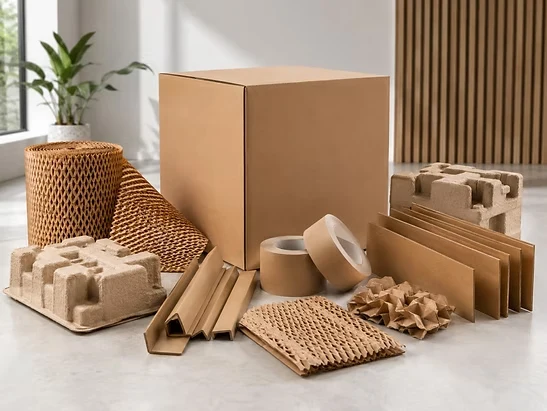
The starting point for compliant furniture packaging is material selection. PPWR favours materials that can be effectively recycled in existing EU recycling systems. For furniture protection, this has accelerated the shift away from complex plastic solutions towards paper-based and cardboard-based alternatives.
A practical example is the replacement of plastic foams and corner protectors with honeycomb paper or corrugated cardboard structures. These materials are easier to recycle and can often be disposed of in standard paper waste streams, which simplifies labelling and reduces consumer confusion.
However, switching materials is not just a matter of swapping one product for another. Furniture protection has to perform under real transport conditions, including stacking, vibration, impact and humidity. Any new material must be tested to ensure it still provides adequate protection, especially for heavier items such as dining tables, office desks or metal-frame chairs.
Minimisation and necessary protection
PPWR requires that packaging be limited to what is necessary for product protection, safety and hygiene. For furniture, this means suppliers need to be able to explain why each packaging component exists. Is that extra plastic bag required for scratch protection, or is it just a habit? Is that oversized box needed for handling, or can it be reduced through smarter product design such as KD structures?
Buyers benefit from working with suppliers that take a structured approach to packaging optimisation. This includes right-sizing cartons, testing protection levels, reviewing drop-test results and continuously looking for ways to reduce material use without increasing damage rates. Good suppliers treat packaging as an engineering challenge, not an administrative task.
Separation and sorting clarity
Another important design principle is that different packaging materials should be easy to separate. If a furniture carton uses mixed plastic and paper components that cannot be easily taken apart, it becomes much harder to recycle and may fail PPWR expectations.
This is particularly relevant for products with multiple protection layers. A typical upholstered dining chair, for example, might come with a fabric bag, corner protectors, a cardboard carton and plastic strapping. Each of these components needs to be clearly identifiable and separable so that end users and waste handlers can sort them correctly.
PPWR Supply Chain Responsibilities Furniture EU Buyers Should Clarify With Suppliers
Because PPWR spans the whole value chain, successful compliance depends on clear responsibilities between buyers and suppliers. PPWR supply chain responsibilities furniture EU teams manage are often split between product development, purchasing, quality, logistics and sustainability departments. Without a clear supplier-side counterpart, information gaps are almost guaranteed.
Here are the key areas European furniture buyers should clarify with their manufacturing partners:
- Packaging material data: Who provides the full list of packaging components, including weights, material types and dimensions for each SKU?
- Design adaptation: Who is responsible for redesigning packaging to meet PPWR requirements, and who bears the cost of testing and tooling?
- Labelling artwork: Who designs and approves packaging labels, sorting information and recyclability markings?
- Documentation: Which technical files, declarations and test reports will the supplier provide to demonstrate compliance?
- Change management: How will future PPWR updates be handled, and what lead time does the supplier need to implement changes?
These questions are not just legal details. They have direct commercial consequences. If a supplier cannot provide packaging data quickly, you cannot update your website, prepare product listings or respond to customer or retailer requests. If redesign costs are not agreed in advance, you may face unexpected price increases on repeat orders.
Required Packaging Information and Documentation to Prepare
PPWR creates a stronger need for structured packaging information. For each furniture SKU, you should be able to answer basic questions such as what materials are used, how much each material weighs, how the packaging should be sorted and whether any components are subject to restrictions.
From a sourcing perspective, it is useful to build a standard packaging data sheet that every supplier completes during product development. This sheet should cover primary packaging, secondary packaging and transport packaging, including pallet configuration and any stretch film or strapping used. Having this information ready makes it much easier to respond to retailer queries, update product information systems and prepare for future reporting obligations.
Documentation is not only useful for compliance. It also helps with logistics planning, container loading optimisation and cost control. When you know exactly how a product is packed and how much space it takes, you can make better decisions about MOQs, shipping methods and inventory planning.
How Furniture Buyers Can Work With Suppliers on PPWR Compliance
PPWR is not something buyers can solve on their own, and it is also not something they can simply push back onto suppliers and forget about. The most effective approach is collaborative compliance, where both sides contribute their expertise.
Start with your highest-volume products, such as best-selling dining chairs, standard dining tables or core lounge chair models. These products have the largest packaging footprint, the strongest impact on your overall compliance position and the clearest economies of scale for redesign work.
Raise PPWR in your supplier conversations as early as the sampling or quotation stage. If a supplier is already transparent about packaging materials, weights and recyclability, that is a good sign of professionalism. If they cannot answer basic questions or treat packaging as a minor detail, you may face bigger issues later.
Switching to more recyclable packaging only works if the protection performance remains reliable. Work with your supplier to test alternative materials through drop tests, vibration tests or trial shipments. This reduces the risk of damage, returns and customer complaints after the new packaging is rolled out.
PPWR is not a short-term project; it is a long-term regulatory framework. Make sure your product specifications, purchase agreements and supplier scorecards include packaging compliance requirements. This gives both sides clarity and prevents misunderstandings when regulations are updated or new milestones come into force.
Finally, view PPWR compliance as more than a cost centre. Better packaging design often goes hand in hand with better logistics efficiency, lower damage rates, stronger brand reputation and easier access to major retail customers. Buyers who build compliant packaging into their sourcing strategy early can turn a regulatory challenge into a commercial advantage.
If you are evaluating furniture suppliers for the European market and want to discuss packaging materials, recyclable protection concepts and the packaging data available for your product range, you can talk to the ASKT team about PPWR-aligned furniture packaging solutions.