Premium Design vs. Retail Performance: What VPs Should Check Before Adding a Dining Chair to the Collection
Premium Design vs. Retail Performance: What VPs Should Check Before Adding a Dining Chair to the Collection
For VPs and Commercial Directors in German furniture retail, the current market landscape is defined by intense stationary trade pressure and aggressive pricing competition from digital-first players. To maintain a competitive edge, your Sortiment must not only capture the customer's eye but also sustain the business's bottom line through high Abverkauf (sell-through) and a low Reklamationsquote (complaint rate).
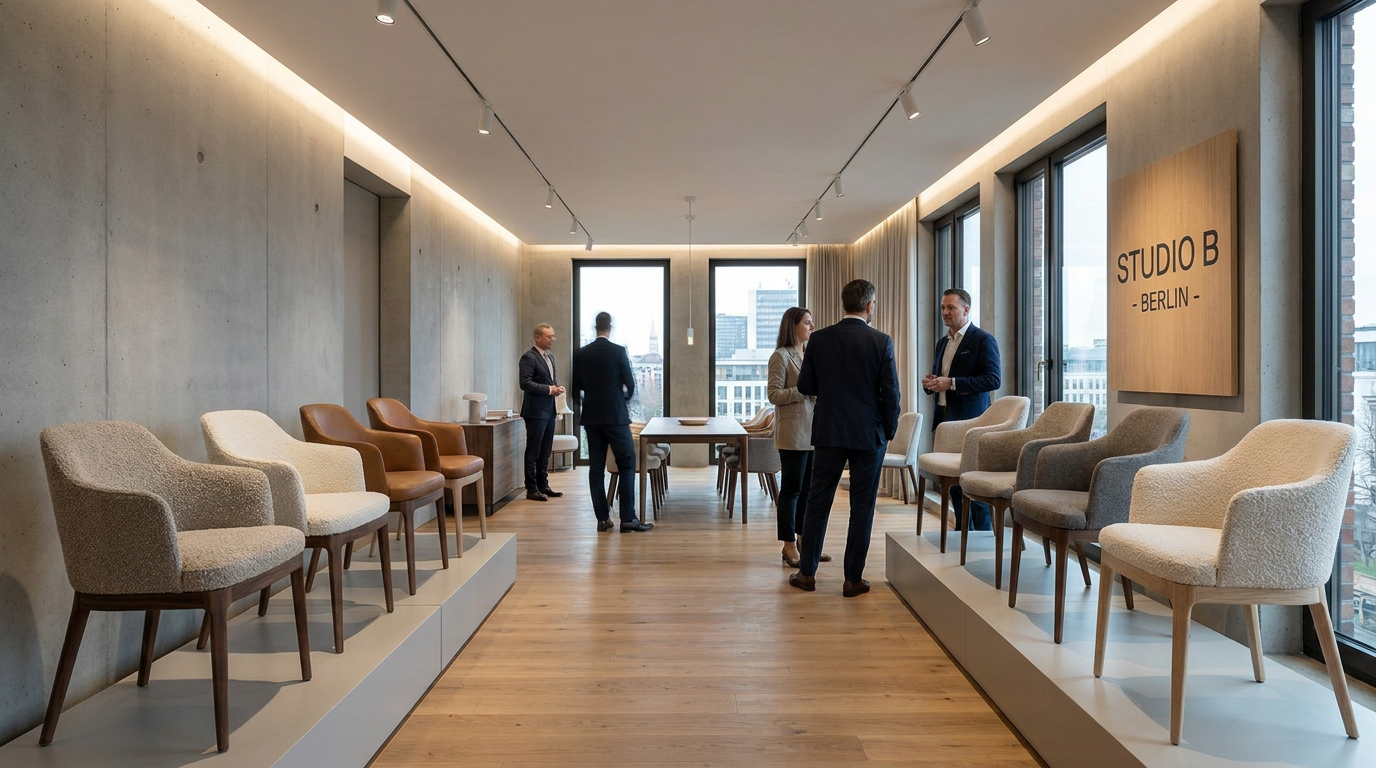
In the German retail context, the challenge is often the 'Pretty Chair' trap—products that look exquisite in a showroom but fail under the rigors of high-frequency use, leading to margin erosion and logistical headaches. This guide outlines the essential judgment framework for decision-makers to evaluate whether a dining chair is a strategic asset or a liability for your collection.
The Retailer's Dilemma: Design Excellence vs. Operational Risk
Every new SKU added to your collection represents a commitment of capital and warehouse space. VPs must navigate the tension between aesthetic trends and the cold reality of Lagerdruck (inventory pressure). A chair that looks premium but lacks commercial-grade construction will inevitably result in high return rates, damaging your brand reputation and eating into your Marge.
ASKT Furniture understands this balance. With over 15 years of manufacturing experience and ISO 9001 certification, we have observed that the most successful German retailers are shifting away from high-volume 'fast furniture' toward 'durable luxury.' They require products that offer the tactile appeal of designer pieces with the structural integrity of contract-grade furniture.
Common Mistakes in Assortment Selection
Before implementing a new framework, it is vital to identify the pitfalls that often compromise retail performance:
- Over-prioritizing Aesthetics: Selecting a chair based solely on visual trends without verifying the Martindale rub count of the fabric or the internal frame joinery.
- Ignoring the Total Cost of Ownership: Failing to account for the costs associated with Reklamation, including shipping, restocking, and customer service labor.
- Rigid Supply Chains: Partnering with suppliers that demand massive MOQs, which increases Lagerdruck and limits your ability to pivot if a style underperforms.
- Poor Lieferzuverlässigkeit: Accepting long or unpredictable lead times that disrupt your seasonal promotions and cash flow.
The VP Decision Framework: 5 Pillars of Performance
To mitigate these risks, VPs should evaluate every potential dining chair against these five pillars:
1. Structural Integrity and Certification
In the B2B and high-end retail sector, 'Commercial Grade' is not just a buzzword; it is a requirement. Ensure the manufacturer holds ISO 9001 certification. ASKT Furniture utilizes reinforced joints and high-density foam that exceeds standard residential requirements, ensuring the chair maintains its form and comfort over thousands of uses.
2. Material Durability (The Martindale Factor)
For upholstered chairs, the fabric is the first point of failure. VPs should insist on fabrics with high Martindale scores. A premium design is worthless if the fabric pilling or tearing leads to a return within six months.
3. Supply Chain Agility (MOQ and Lead Times)
Cash flow is king in German retail. ASKT Furniture offers a flexible MOQ of 200 pieces, allowing you to test new designs in specific markets without over-committing. Furthermore, our 45-day lead time ensures that you can restock top-sellers quickly, keeping your Abverkauf high without bloating your warehouse.
4. Customization for Brand Differentiation
To avoid the 'race to the bottom' on price, your collection needs unique elements. Look for suppliers who offer customization in finishes, fabrics, and dimensions. This allows you to create an exclusive offering that cannot be easily price-compared by customers.
5. Technical Support and Documentation
A professional supplier should provide detailed technical sheets, assembly instructions, and warranty terms that you can pass directly to your quality management team.
The Essential Dining Chair Evaluation Checklist
Use this checklist during your next procurement meeting to evaluate a prototype:
- Frame Construction: Is it solid wood or reinforced metal? Are the joints glued, screwed, and doweled?
- Fabric Performance: Does the fabric meet a minimum of 40,000 Martindale cycles for commercial use?
- Weight Capacity: Has the chair been tested for at least 150kg of static load?
- Finish Quality: Is the lacquer or powder coating resistant to commercial cleaning agents?
- Shipping Efficiency: Is the packaging optimized to reduce damage during transit and lower shipping costs per unit?
- Supplier Reliability: Does the manufacturer offer a stable 45-day delivery window?
Performance Comparison: ASKT vs. Standard Retail Suppliers
| Metric | Standard Retail Supplier | ASKT Furniture (Commercial Grade) |
|---|---|---|
| Manufacturing Experience | Variable | 15+ Years |
| Quality Certification | Often None | ISO 9001 Certified |
| Typical Lead Time | 90 - 120 Days | 45 Days |
| Minimum Order Quantity (MOQ) | 500+ Pieces | 200 Pieces |
| Reklamationsquote (Average) | 5% - 8% | < 1.5% |
| Customization Support | Limited | Full OEM/ODM Services |
Strategic SKU Efficiency
Reducing the number of low-performing SKUs and focusing on high-durability, high-margin pieces is the most effective way to combat rising operational costs. By selecting chairs that are 'Contract Ready,' you tap into a broader market, including hospitality clients who shop at retail, further boosting your revenue streams.
FAQ: Addressing Retail Concerns
Q: How does a 45-day lead time impact our cash flow? A: Shorter lead times mean you can operate with leaner inventory levels. Instead of tying up capital in 6 months of stock, you can order more frequently based on real-time Abverkauf data, significantly improving your cash-to-cash cycle.
Q: Why is the 200-piece MOQ significant for VPs? A: It allows for 'Assortment Agility.' You can introduce trend-led designs or seasonal colors with minimal financial risk. If the product performs, our 45-day production cycle allows for rapid scaling.
Q: How do we justify a slightly higher unit cost for commercial-grade chairs? A: The justification lies in the 'Total Cost of Ownership.' A lower Reklamationsquote and higher customer lifetime value far outweigh the initial savings of a cheaper, lower-quality alternative.
Conclusion: Future-Proofing Your Collection
In the competitive German furniture market, the role of the VP is to protect the brand's integrity while ensuring financial performance. By moving beyond surface-level aesthetics and demanding rigorous commercial standards, you ensure that every dining chair added to your collection contributes to a healthy Marge and a satisfied customer base.
ASKT Furniture is dedicated to supporting German retailers with high-quality, durable, and stylish commercial furniture solutions. Our team is ready to help you optimize your assortment with products that stand the test of time.
Do you want me to send you a practical evaluation checklist or decision framework for your next procurement cycle?