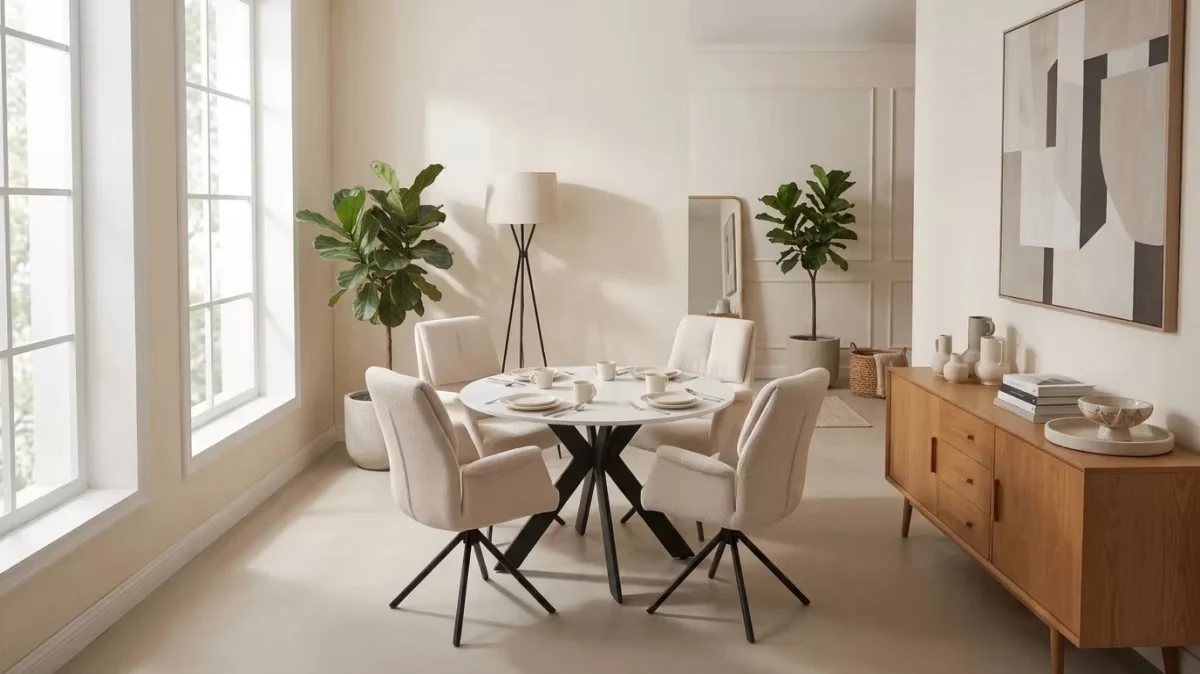
How to Select Dining Chairs for Retail: Bestsellers and Assortment Planning
Dining chairs sell sustainably well when they match your target audience, price level, usage requirements and quality expectations—not just when they look attractive in a showroom. For retailers, the right selection combines market insight, everyday practicality and consistent supply to build long-term assortment performance.
Why does a good-looking dining chair in the showroom not always become a bestseller?
A chair that photographs beautifully or looks striking on a display stand can still underperform in retail because purchasing decisions depend on more than visual appeal. End customers consider comfort during a longer meal, how easy the chair is to clean, whether it fits under their dining table, how stable it feels and whether it fits their household situation, such as children, pets or frequent guests.
From a retailer's perspective, bestsellers also depend on factors that have nothing to do with the chair itself: price positioning relative to your customer base, floor space efficiency, delivery reliability, return rates and the ability to reorder popular models without long delays. A visually bold chair may generate a lot of foot traffic but few actual purchases, while a more balanced design can sell steadily week after week because it fits real living situations.
In our experience working with European furniture buyers, the strongest sellers are rarely the most extreme designs. They are the models that feel familiar enough to be trusted, but distinct enough to feel like a considered choice. They also have to work logistically: flat-pack efficiency, damage rates in transit and reorder consistency all shape whether a chair makes financial sense for your assortment.
How do you define the right target group for your dining chair assortment?
Before selecting individual models, you should be clear about who your core customer is and what they expect from a dining chair. This is the foundation of Möbel Sortimentsplanung Esszimmer, because a chair that works for a city apartment e-commerce shopper will not necessarily work for a rural furniture shop serving family households.
Ask yourself the following questions about your main customer group:
- What is their typical budget for a set of four dining chairs?
- Do they prioritise design, comfort, durability or easy care?
- What kind of home do they live in: small apartment, family house, open-plan kitchen-diner?
- Do they have children, pets or frequent dinner guests?
- Do they buy online, in store or both?
- What style direction dominates their existing furniture: modern, Scandinavian, classic, industrial?
Once you have this profile, you can align your assortment accordingly. For example, a customer group with young children and pets will place a much higher value on stain-resistant and easy-clean upholstery than a customer group of young professionals furnishing their first apartment. A customer group that shops online will be more sensitive to clear dimensions, assembly effort and reliable delivery dates.
For retailers, this means Esszimmerstühle für den Einzelhandel should be selected with your local or digital customer profile in mind, not just by following general trends. A balanced assortment usually includes two to three clearly positioned lines: an entry-level price point for price-sensitive buyers, a mid-range volume model with broad appeal and a premium option for customers willing to pay more for comfort, materials or design.
Which price-performance level fits your retail assortment?
Price positioning is one of the most common points of tension in dining chair selection. Buyers often ask Welche Esszimmerstühle sind verkaufsstark and expect a simple answer about style, but the truth is that sell-through depends heavily on whether the perceived value matches the price tag in your market.
To find the right level, compare the chair against what customers already expect to pay in your shop. If your typical dining set sells at a mid-range price point, an ultra-budget chair may feel out of place and raise suspicion about quality, while a very premium chair may receive a lot of compliments but very few purchases.
Use this simple comparison framework when evaluating a new model:
| Evaluation point | What to check | Why it matters for retail |
|---|---|---|
| Material quality | Fabric type, frame material, padding density | Defines perceived value and durability expectations |
| Workmanship | Stitching, frame finish, stability, wobble | Influences returns, complaints and reviews |
| Comfort | Seat depth, back support, seat feel | Determines in-store conversion and online return rate |
| Practicality | Cleanability, weight, stackability, size | Affects suitability for real households |
| Supply stability | Lead time, MOQ, reorder reliability | Shapes stock planning and lost sales risk |
The strongest-selling chairs are usually those where the customer feels they are getting slightly more than they pay for. That does not mean the cheapest option. It means the chair should feel solid, look intentional and provide a clear reason to buy at its price point.
For furniture assortment planning, avoid squeezing too many price points into one category. If your dining chairs range from very cheap to very premium without clear steps in between, customers struggle to compare and often delay their decision. A cleaner structure with fewer, well-positioned models usually performs better overall.
What material and quality features convince retail customers long-term?
When selecting Esszimmerstühle für den Handel auswählen, material and build quality are the factors that determine whether customers are happy after six months or whether you start receiving complaints, returns and bad reviews.
Frame stability is one of the most underrated quality signals in retail. A chair that wobbles slightly on the showroom floor may still be sold, but it will almost always come back as a complaint or damage the customer's perception of your brand. Metal frames should have clean welds, consistent powder coating and solid leg connections. Wooden frames should feel rigid, with no creaking when you rock the chair gently.
Upholstery quality is equally important. The padding should recover quickly after pressure, and the stitching should be even and clean along the seams. For chairs sold as comfortable everyday models, the seat should not feel hard after a few minutes of sitting, and the backrest should provide enough support for a normal meal duration.
From a retail perspective, the most commercially valuable quality features are those the customer can perceive quickly:
- A stable, rattle-free frame when you move the chair
- Fabric that looks and feels premium at first touch
- Comfortable seating within the first 30 seconds of testing
- Clean stitching and a finished appearance
- Clear care instructions and material information
These are the details that make customers trust the product enough to buy, and that reduce the likelihood of returns once the chair is in their home.
How should retail buyers approach fabric selection for dining chairs?
Fabric is one of the most important decisions when choosing Esszimmerstühle die sich gut verkaufen, because it is the first thing customers touch and the part of the chair that shows wear first. A great frame with the wrong fabric can turn a potential bestseller into a slow-moving item.
For retail assortments, the most commercially successful fabrics are those that balance appearance, practicality and durability. They need to look attractive on the shop floor, but they also need to survive real use in customers' homes without showing stains, pilling or fading too quickly.
Key fabric properties to evaluate for retail dining chairs:
- Abrasion resistance: how well the fabric withstands regular use
- Colour fastness: whether the colour stays consistent under light and cleaning
- Breathability: whether the chair remains comfortable to sit on for longer periods
- Stain resistance: how easy it is to clean common spills such as coffee, red wine or food
- Pet-friendliness: resistance to scratching and claw damage
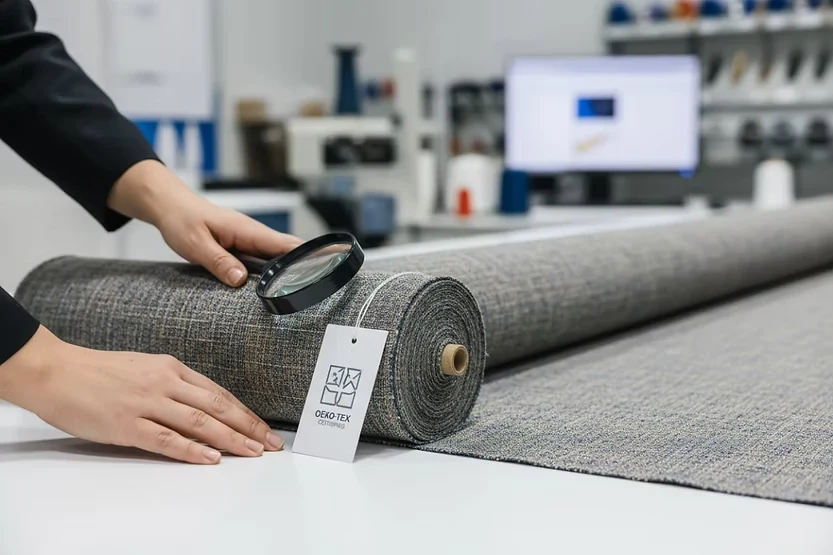
- Safety and certification: whether the fabric meets recognised textile standards
When we developed our ASKT-Tex functional fabric, we focused on this exact balance because we saw from European market data that retail buyers needed materials that could sell on both feel and practicality. The idea is to get the soft, high-quality look that attracts customers in the showroom, combined with water-repellent, stain-resistant and breathable properties that reduce complaints and returns later.
For assortment planning, it usually makes sense to offer a small number of well-chosen fabric options rather than a huge range. Too many fabric choices can overwhelm customers and slow down decisions, while also increasing your stock complexity and the risk of ordering the wrong combination. Two to three colour directions—typically a neutral, a warm tone and a darker practical option—often perform better than ten variations that customers cannot distinguish between.
How do you balance design appeal and everyday practicality?
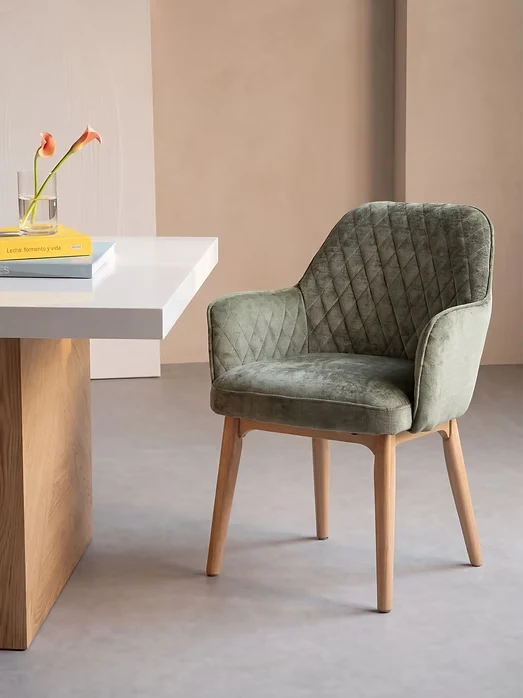
Design and practicality often feel like opposites, but the best-selling dining chairs are the ones that manage to combine both. A chair that looks impressive but is uncomfortable, hard to clean or too large for most dining tables will struggle to sell consistently in retail.
The key is to evaluate the chair in the context of how people actually use dining chairs in European homes. In many households, the dining chair is not just used for formal dinners. It is used for breakfast, homework, working from home, children's craft activities and occasional guests. That means a retail bestseller needs to work in many different daily situations, not just on a styled photoshoot.
When assessing a model, ask yourself practical questions such as:
- Can the chair be pushed fully under a standard-height dining table?
- Is the seat height suitable for typical European table heights?
- Is the upholstery easy to wipe clean after everyday spills?
- Is the chair light enough to move around, but stable enough to feel safe?
- Does the design work with both modern and slightly more traditional interiors?
Chairs that are too stylistically specific can limit your customer base. A very bold shape or a highly distinctive fabric may appeal strongly to a small group, but it will exclude many buyers who want something that fits into their existing home. For volume sellers, designs with broad compatibility tend to outperform more extreme statement chairs.
That does not mean your assortment should be boring. You can still include one or two design-focused models for customers who want something more individual, as long as the bulk of the range is made up of chairs that fit a wide range of homes and lifestyles.
Why does supply consistency matter for retail dining chair success?
A chair that sells well once is not automatically a successful assortment item. It only becomes a true bestseller if you can reorder it reliably, keep it in stock and deliver it to customers within an acceptable timeframe. Supply consistency is therefore a core part of furniture assortment planning for dining chairs.
For retailers, nothing hurts sales more than a chair that starts selling well and then goes out of stock for months. Customers who come in specifically for that model will often buy elsewhere rather than wait, and you lose the opportunity to build repeat business from satisfied customers.
When evaluating a supplier or a new dining chair model, pay attention to:
- Standard lead times for reorders
- Minimum order quantities per model and per fabric
- Whether frames and fabrics are standard items or custom produced
- How transparent the supplier is about production status and delays
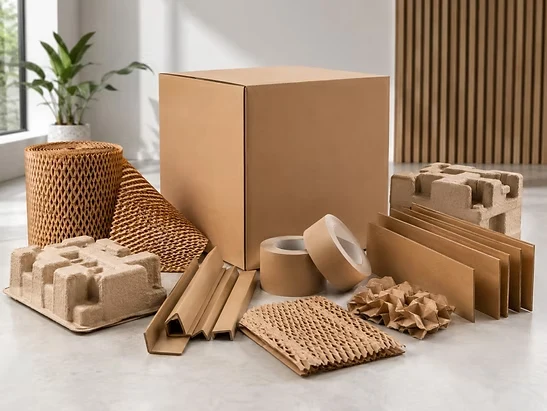
- Whether packaging is designed to reduce damage in transit
- How well container loading is optimised to keep logistics costs reasonable
At ASKT, we developed the KINEXA modular system partly to solve this problem for retail buyers. By using a limited number of standard seat shells and base combinations, buyers can build a broader-looking assortment without carrying excessive stock risk, and reorders become faster and more predictable. This approach supports the idea of testing a small number of chairs first, then scaling the ones that sell, which reduces the financial risk of adding new models to the range.
For your retail planning, always evaluate the full commercial picture, not just the unit cost. A slightly more expensive chair with reliable supply, lower damage rates and consistent reorder availability will often be more profitable in the long run than a cheaper chair that is frequently out of stock or arrives with quality issues.
What are common mistakes when selecting dining chairs for retail?
Even experienced buyers can fall into predictable patterns when building a dining chair assortment. Recognising these mistakes early can save you from slow stock, high returns and missed sales.
One common mistake is selecting chairs based only on showroom appearance or trend reports, without testing how they work in real use. A chair that looks great in a catalogue can feel surprisingly uncomfortable when you sit in it for ten minutes, or it can be much larger than customers expect when delivered to their home.
Another frequent error is overloading the assortment with too many similar models. When customers cannot see a clear difference between chairs, they postpone their decision or start comparing purely on price, which erodes margin. A smaller, better-structured range with clear entry, mid and premium options usually performs better than a large, confusing one.
A third mistake is underestimating the importance of fabric practicality. Light-coloured, delicate fabrics may look beautiful at first, but they show marks quickly and lead to more customer complaints, especially in family-oriented retail segments. Offering a few practical, easy-care options alongside more design-led fabrics is usually a safer commercial strategy.
Finally, many buyers focus too much on the initial purchase price and too little on total cost of ownership. Hidden costs such as returns, complaints, damaged goods in transit, long lead times and unreliable reorders can make a cheap chair much more expensive than it first appears.
FAQ
Which dining chairs sell best in European retail?
The best-selling dining chairs in European retail are usually mid-range models that combine a modern but broadly compatible design, stable construction, comfortable seating and practical, easy-care upholstery. They are rarely the cheapest or the most stylistically extreme options. Sell-through also depends heavily on matching the price point, fabric choice and style to your specific customer base, local market and existing assortment positioning.
How many dining chair models should a retail shop carry?
A focused assortment of three to five clearly differentiated models usually works better than a very wide range. The ideal number depends on your floor space, target groups and sales volume, but the key is that customers can easily compare the options and understand the differences in price, comfort, material and style. Too many similar models cause decision fatigue and slow down conversion.
What quality checks should retail buyers do before ordering dining chairs?
Before placing a larger order, test the chair for frame stability, upholstery quality, stitching, comfort, seat height and suitability for standard dining table heights. Also evaluate fabric properties such as abrasion resistance, cleanability and colour fastness. On the supply side, check lead times, MOQ, packaging protection, reorder reliability and whether the manufacturer can provide consistent quality across repeated batches.
If you are looking for dining chairs tailored to your retail target group, ASKT can support you with model selection, material development and assortment planning. To discuss your range and sourcing needs, contact our team via our buyer enquiry page.