Sourcing Guide: Navigating the Complexities of a Hospitality Furniture OEM Partnership
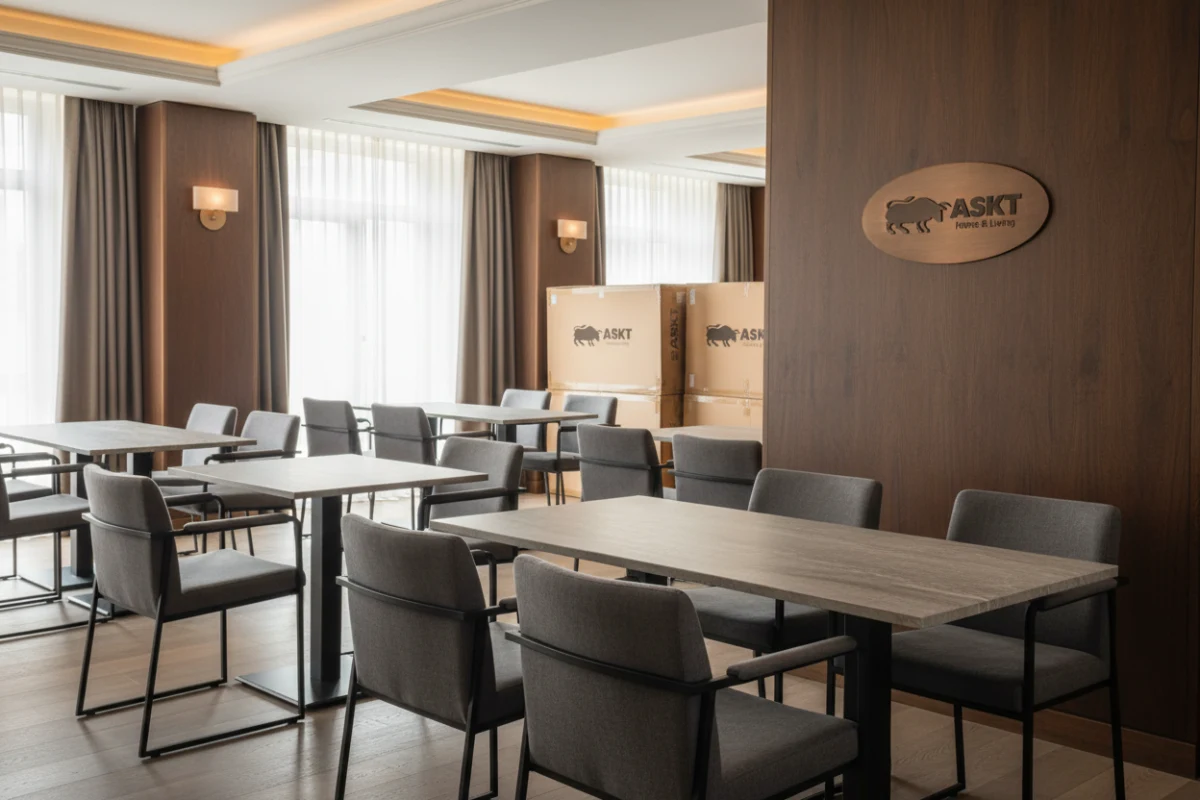
For European procurement managers, purchasing directors, and B2B design specialists, sourcing commercial furniture is not a simple transaction. It is a high-stakes balancing act where design aesthetics must align perfectly with structural durability, regulatory compliance, and strict project timelines. When managing a large-scale project—whether a boutique hotel, a restaurant chain, or a corporate workspace—partnering with a reliable hospitality furniture OEM is one of the most effective strategies to turn custom design concepts into physical, high-performing furniture. A professional hospitality furniture OEM acts as more than a supplier; they serve as a strategic partner to align material performance, production efficiency, and logistical feasibility.
However, navigating the transition from a design blueprint to mass manufacturing requires deep technical alignment. Many global sourcing projects encounter critical friction points: minor structural compromises, delayed delivery schedules, or unexpected deviations in fabric dye lots. To safeguard your investment, it is essential to understand the exact mechanics of contract furniture sourcing, from the initial prototype phase to final container loading. Drawing on over two decades of experience serving European markets like Germany, the Netherlands, and the UK, this guide outlines how professional buyers can manage risks and build a seamless, transparent production pipeline.
The Commercial Reality of Hospitality Furniture Sourcing in Europe
In the European commercial sector, furniture is subjected to extreme, high-frequency daily use that far exceeds typical residential wear. A dining chair in a busy restaurant or a hotel lobby may experience thousands of duty cycles every single year. When furniture fails structurally or aesthetically, the commercial buyer faces not only immediate replacement costs but also potential liabilities, negative guest reviews, and operational disruptions. For successful contract furniture sourcing, identifying a partner that understands these commercial realities is vital. A reliable hospitality furniture OEM must prioritize structural integrity, material longevity, and safety over superficial design trends.
Therefore, modern procurement demands a shift in focus. Professional buyers must look past catalog aesthetics and evaluate a hotel furniture manufacturer based on technical transparency, engineering rigor, and manufacturing consistency. Sourcing from a specialized manufacturer in China offers a strategic balance of customization flexibility and production scale. However, achieving this balance requires absolute clarity on technical specifications, durability standards, and logistics. By focusing on engineering integrity rather than superficial marketing, B2B buyers can safeguard their investments and build reliable, long-term supply chains.
Why Detailed Specification Lists Are Critical in Contract Projects
One of the most common pitfalls in commercial furniture procurement is the divergence between initial design concepts and the final manufactured product. To eliminate this risk, a professional hospitality furniture OEM must work collaboratively with sourcing managers to establish comprehensive room-by-room technical specification lists. This documentation acts as the definitive quality blueprint, leaving no room for ambiguity during mass manufacturing. When partnering with a hospitality furniture OEM, room-by-room spec planning must be prioritized to ensure every customized element is documented.
A detailed specification list must define every physical and functional parameter of the product. This includes precise dimensions, weight-bearing thresholds, frame materials, and upholstery specifications. For example, when custom-developing dining chairs or lounge chairs, the specification must outline the density of the polyurethane foam, the specific structural components of the metal or wooden frames, and the exact finishes used—such as durable powder coating or premium oak veneer. Additionally, specifications should detail functional mechanisms, such as swivel or auto-return functions, which are highly valued in modern workspace and lounge environments.
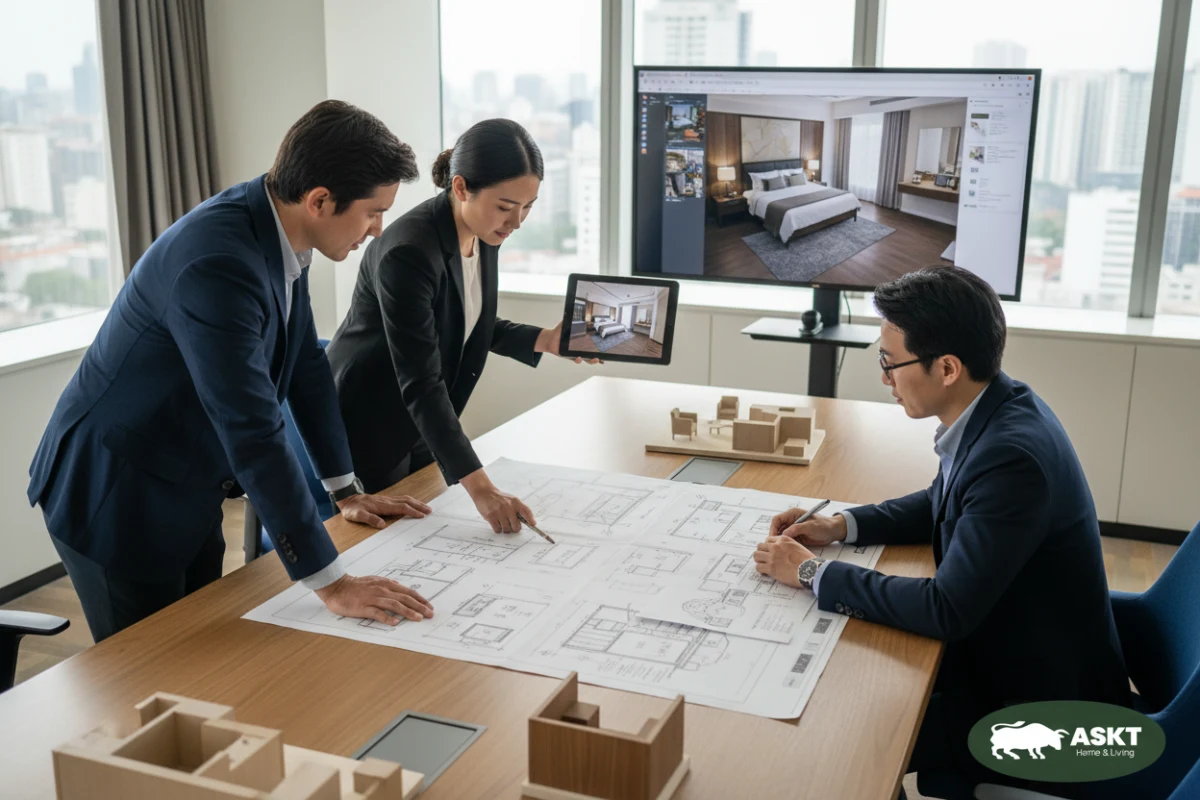
By establishing these technical baselines before production begins, procurement managers can streamline quality control, verify sample accuracy, and ensure that the final bulk delivery matches the approved prototypes. This level of planning also helps manage minimum order quantities (MOQs) by standardizing common components—such as metal frame bases—across different seating collections, reducing both manufacturing costs and inventory risks.
The Engineering Behind Furniture Batch Consistency
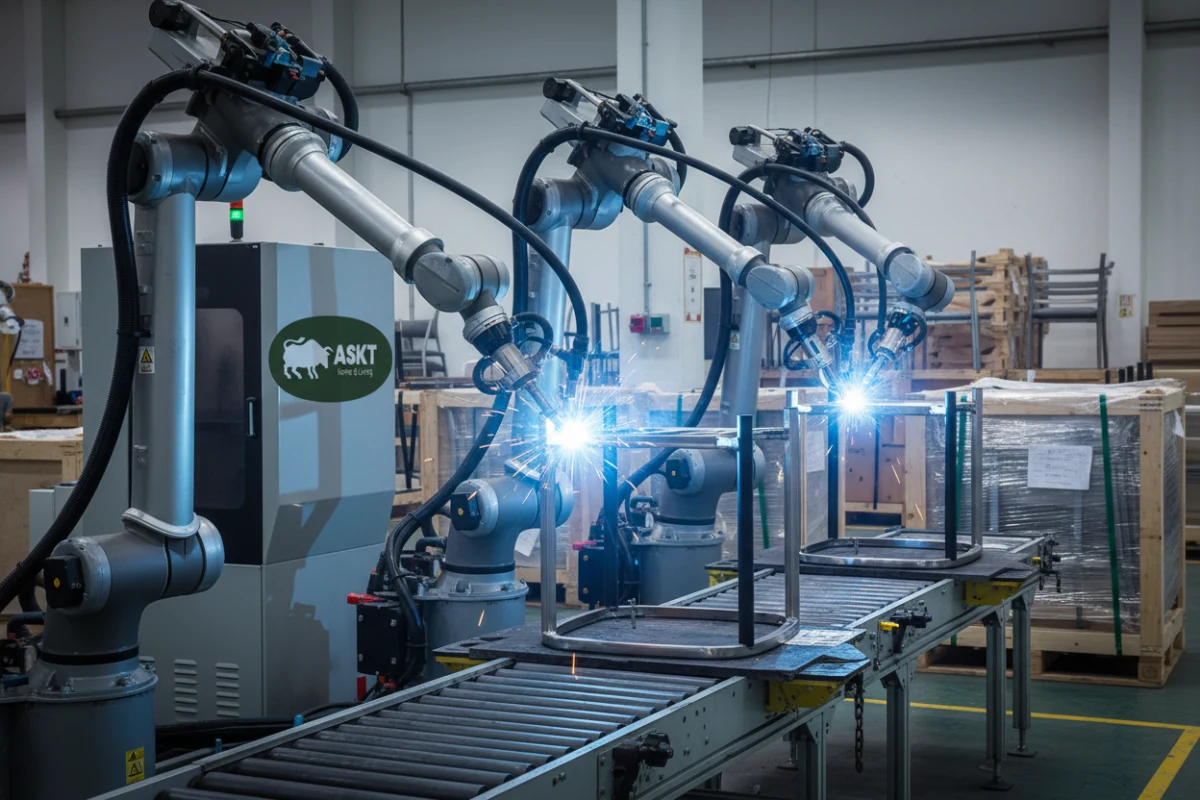
For large-scale commercial installations, such as multi-story hotels or expansive restaurant chains, maintaining strict furniture batch consistency is paramount. If chairs or tables delivered to the same space exhibit visible variations in seat height, fabric dye lots, or frame alignment, the visual cohesion of the environment is broken. In the context of a hospitality furniture OEM facility, achieving this standard requires a disciplined manufacturing approach combining advanced automation, robust materials, and rigorous quality control. This is why leading hospitality furniture OEM factories invest in robotic welding and automated precision machinery.
First, automated production machinery plays an indispensable role in eliminating human error. Utilizing automated fabric cutting machines ensures that every upholstery panel is cut to the exact millimeter, preventing loose seams or fabric misalignment. For metal frame manufacturing, automatic robotic welding arms provide identical, high-penetration welds across the entire production run. This automation guarantees that structural joints are consistently strong, eliminating the micro-flaws often associated with manual welding. Precision wood punching and milling machinery similarly ensures that wooden components are cut and prepared with absolute uniformity.
Second, fabric selection and engineering are critical to durability. Commercial upholstery must withstand continuous friction, spillages, and intensive cleaning. Fabrics must be specified with high abrasion resistance, excellent colour fastness, and stain-resistant, waterproof properties. For environments that accommodate pets or require frequent cleaning, selecting pet-friendly, easy-clean materials ensures the furniture remains pristine over time. Furthermore, interior comfort must not be compromised for durability. Integrating pocket spring seating within upholstered dining chairs and lounge chairs helps distribute weight evenly and prevents the foam from flattening over time, maintaining ergonomic support and shape recovery for years.
Mapping the OEM Production Timeline and Sourcing Milestones
Meeting tight hotel opening schedules requires a highly predictable manufacturing timeline. A delay in the delivery of B2B hospitality furniture can cause cascading delays across an entire renovation or construction project, resulting in significant financial losses. Our experience as a seasoned hospitality furniture OEM shows that a successful project relies on a clear, phased production schedule with dedicated quality gates.
The manufacturing process begins with rapid sample development. Before mass production is initiated, a physical prototype must be constructed and thoroughly evaluated. This sample phase allows engineers to verify structural integrity, test comfort levels, and make necessary refinements to the design. Only after the buyer reviews and signs off on the physical prototype does mass production commence. This prevents the risk of systemic errors across a large order.
To keep procurement managers informed, the manufacturing workflow should be mapped out with clear milestones and dedicated quality gates. Below is an overview of the typical stages involved in a professional contract production run:
| Production Phase | Key Activities & Processes | Quality Control Checks | Sourcing Risk Mitigation |
|---|---|---|---|
| Phase 1: Material Procurement | Sourcing raw steel, timber, certified fabrics, and foam. | Material testing for chemical safety and strength. | Prevents defective raw materials from entering production. |
| Phase 2: Pre-Production Setup | Calibrating automated machinery and preparing cutting dies. | Inspection of the first production piece. | Corrects machine tolerances before mass cutting begins. |
| Phase 3: Metal & Wood Fabrication | Precision cutting, robotic welding, and powder coating. | Structural joint testing and coating thickness checks. | Eliminates structural weak points and finish defects. |
| Phase 4: Upholstery & Assembly | Sewing, foam padding application, and component assembly. | Verification of seam strength and alignment. | Ensures consistent comfort and aesthetic alignment. |
| Phase 5: Final Inspection | Random batch testing of load capacity and stability. | Dimensional audits against the master specifications. | Guarantees that only compliant units are packed. |
| Phase 6: Packing & Logistics | Protective packaging application and container loading. | Drop testing and container space optimization. | Minimizes transit damage and reduces shipping costs. |
By sticking to this structured timeline, B2B buyers can monitor progress in real-time, coordinate with logistics partners, and ensure on-site installation proceeds exactly as planned.
Compliance, Durability, and Structural Testing for Commercial Furniture
Safety and structural compliance are non-negotiable for B2B hospitality furniture used in European public spaces. Seating and tables must meet strict durability criteria to ensure they do not pose safety hazards to guests. For a B2B hospitality furniture OEM, establishing compliance through standardized testing is the only way to prove a product is truly ready for high-traffic environments. This requires designing and engineering products to survive years of intense use in a concentrated period.
Durability testing generally focuses on several critical performance areas:
- Static Load and Fatigue Testing: Hydraulic equipment applies repetitive, high-pressure forces to the seat and backrest of chairs. A high-quality commercial chair must survive thousands of these cycles without experiencing weld fractures, frame bending, or joint loosening. This guarantees the furniture can handle heavy, continuous use.
- Stability and Impact Testing: Chairs are subjected to sudden lateral and rearward forces to ensure they remain stable and do not tip over when a user shifts their weight. This is particularly important for bar chairs and swivel seating, where the center of gravity is higher.
- Material Fatigue: For extension tables and sintered stone dining tables, testing ensures that the support frames and extending mechanisms operate smoothly under continuous load without sagging or jamming over time.
Ensuring that your hospitality furniture OEM partner tests products against these rigorous parameters significantly reduces the risk of structural failures. This engineering-first approach protects hotel operators from liability claims and minimizes the need for premature furniture replacement, directly improving the long-term return on investment (ROI).
Packaging Optimization and Container Logistics for European Transit
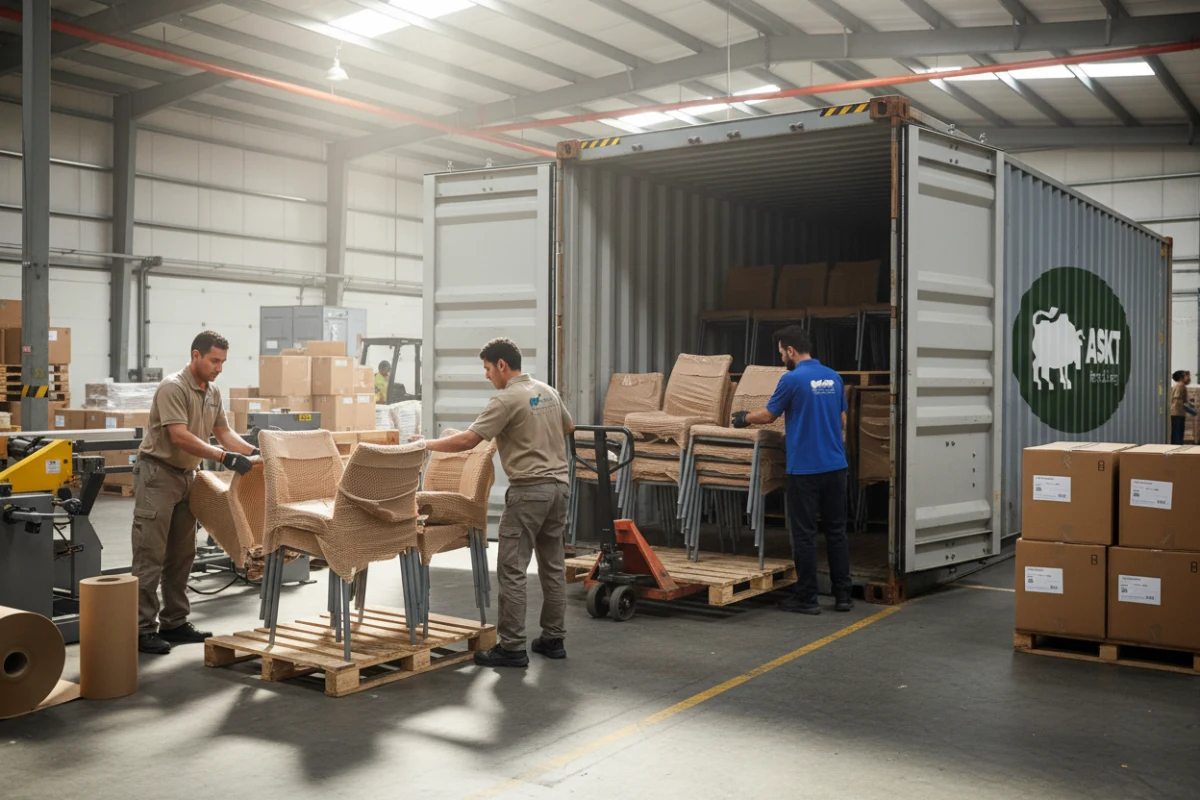
The journey from a manufacturing facility in China to European destinations—such as Germany, the Netherlands, or the UK—exposes furniture to significant physical stresses, changing humidity levels, and rough handling at ports. Even the most robustly engineered dining chair or coffee table can be ruined if the packaging fails to provide adequate protection. At any professional hospitality furniture OEM facility, packaging engineering is treated with the same scientific precision applied to the furniture itself.
To eliminate transit damage, protective packaging should be custom-engineered for each product type. Knock-down (KD) structures are highly effective for optimizing shipping volume, allowing chairs and tables to be flat-packed securely. Key elements of professional B2B packaging include:
- Heavy-Duty Edge Protectors: Reinforced cardboard corners prevent crushing and scratching at high-impact zones.
- Honeycomb Paper Protection: Sustainable, high-strength honeycomb paper packaging offers exceptional shock absorption, replacing non-recyclable plastics and helping European buyers meet corporate environmental, social, and governance (ESG) targets.
- Moisture Control: Implementing moisture-absorbing desiccants inside shipping cartons protects wood veneer, metal frames, and fabrics from mold and corrosion during long ocean transit.
Furthermore, maximizing container utilization is vital for managing shipping costs. Utilizing advanced 3D loading software allows manufacturers to calculate the most efficient way to stack cartons. This minimizes empty space, prevents shifting during transport, and lowers the freight cost per unit, providing significant financial benefits to contract furniture buyers.
Technical Evaluation Checklist for Sourcing Partners
Selecting the right hospitality furniture OEM involves looking deeper than catalog photos. When auditing a potential hotel furniture manufacturer for your next contract project, procurement teams should use a structured technical checklist to verify the supplier's actual manufacturing capabilities:
- Automation Levels: Does the factory use high-precision automated machinery, such as robotic welding arms and laser cutting tools, to ensure furniture batch consistency?
- Material Traceability: Can the supplier verify the origins and safety standards of their fabrics, foams, and adhesives, ensuring they are free from harmful volatile organic compounds (VOCs)?
- Structural Testing: Does the manufacturer conduct rigorous internal testing for load-bearing capacity, fatigue resistance, and stability before shipping?
- Customization Capabilities: Can they accommodate bespoke requirements, including custom dimensions, fabric finishes, powder coating, and specialized materials like sintered stone or oak veneer?
- Sustainability Practices: Do they offer eco-friendly materials and plastic-reduced packaging options, such as honeycomb paper, to align with European ESG initiatives?
- Technical Support: Does the hospitality furniture OEM offer detailed CAD/technical drawings and support to align with your project specs before building prototypes?
By systematically evaluating potential partners against these standards, B2B procurement managers can confidently establish a secure, reliable, and high-performing supply chain.
Sourcing premium commercial furniture requires deep technical alignment, rigorous quality control, and careful logistical planning. By partnering with a dedicated hospitality furniture OEM like ASKT, European procurement teams can streamline their entire supply chain, from initial design concepts to on-site delivery. ASKT combines over 20 years of manufacturing expertise with a commitment to transparency, durability, and sustainable practices. If you are preparing to source dining furniture, bar seating, or tables for an upcoming hospitality development, our engineering team is ready to assist you. To collaborate with us and discuss your specific requirements, please Submit Hospitality Project Brief today.