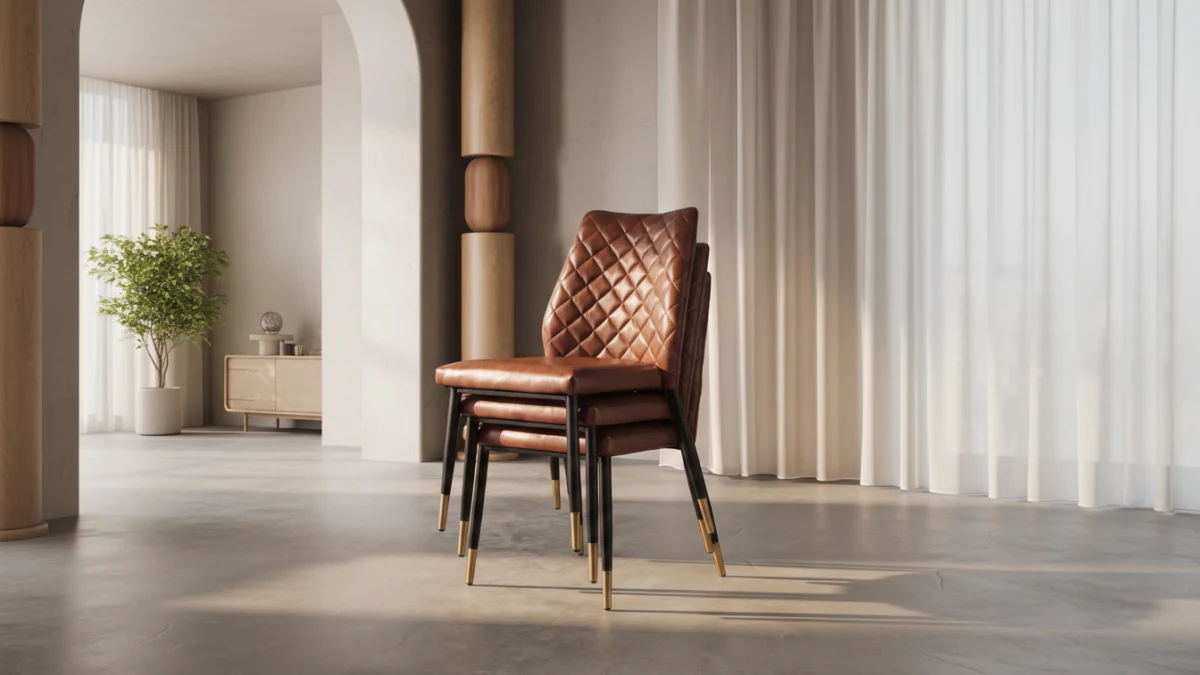
Engineering Commercial-Grade Comfort: Sourcing No-Sag Springs for High-Traffic Contract Seating
Sourcing no-sag springs for high-traffic contract seating requires specifying high-carbon steel sinuous springs with robust mounting hardware and structural support. This commercial-grade furniture suspension resists heavy, repetitive loads, prevents cushion sagging, and maintains long-term structural integrity. By selecting verified materials and rigorous construction methods, B2B buyers ensure that their high-traffic dining chairs remain comfortable and safe, reducing maintenance and replacement costs.
Why is the choice of commercial-grade furniture suspension critical for high-traffic dining chairs?
In the demanding environment of commercial hospitality—such as high-end restaurants, busy hotel dining areas, and active corporate spaces—furniture undergoes far more stress than in domestic settings. A typical residential dining chair might be occupied only a few times a day, whereas high-traffic dining chairs must endure continuous, daily use by guests of varying weights and seating postures. In these demanding conditions, the internal suspension is the most critical factor determining whether a chair retains its comfort and shape or fails prematurely.
When a low-quality suspension system is used in a commercial environment, the structural integrity of the entire chair is quickly compromised. As the suspension loses its tension, the foam padding is forced to absorb the direct impact of the user’s weight. This accelerates the breakdown of the high-density polyurethane foam, leading to permanent indentation and a flattened seat profile. Furthermore, once the suspension fails to support the load, the force is transferred directly to the chair’s frame and joint connections. Over time, this misplaced stress leads to loose joints, structural instability, and eventually, complete frame failure.
For B2B buyers, including furniture wholesalers, importers, and contract purchasing managers, the quality of the commercial-grade furniture suspension directly impacts the total cost of ownership. Chairs that sag quickly generate customer complaints, product returns, and damage to a brand's reputation. By prioritizing robust internal engineering during the sourcing process, professional buyers can protect their investment, ensure consistent seating ergonomics, and deliver long-term commercial value to their hospitality clients.
For procurement managers, evaluating these structural details during the initial sourcing phase is much more effective than dealing with product recalls or warranty disputes later. A high-traffic dining chair that fails in a busy hospitality venue not only disrupts daily operations but also damages the relationship between the furniture importer and the commercial client. By establishing clear suspension specifications at the start of the procurement cycle, B2B buyers can ensure that every shipment meets the exact structural requirements of the target market, securing a reliable supply of durable contract seating.
What are no-sag springs and how do they function in contract furniture manufacturing?
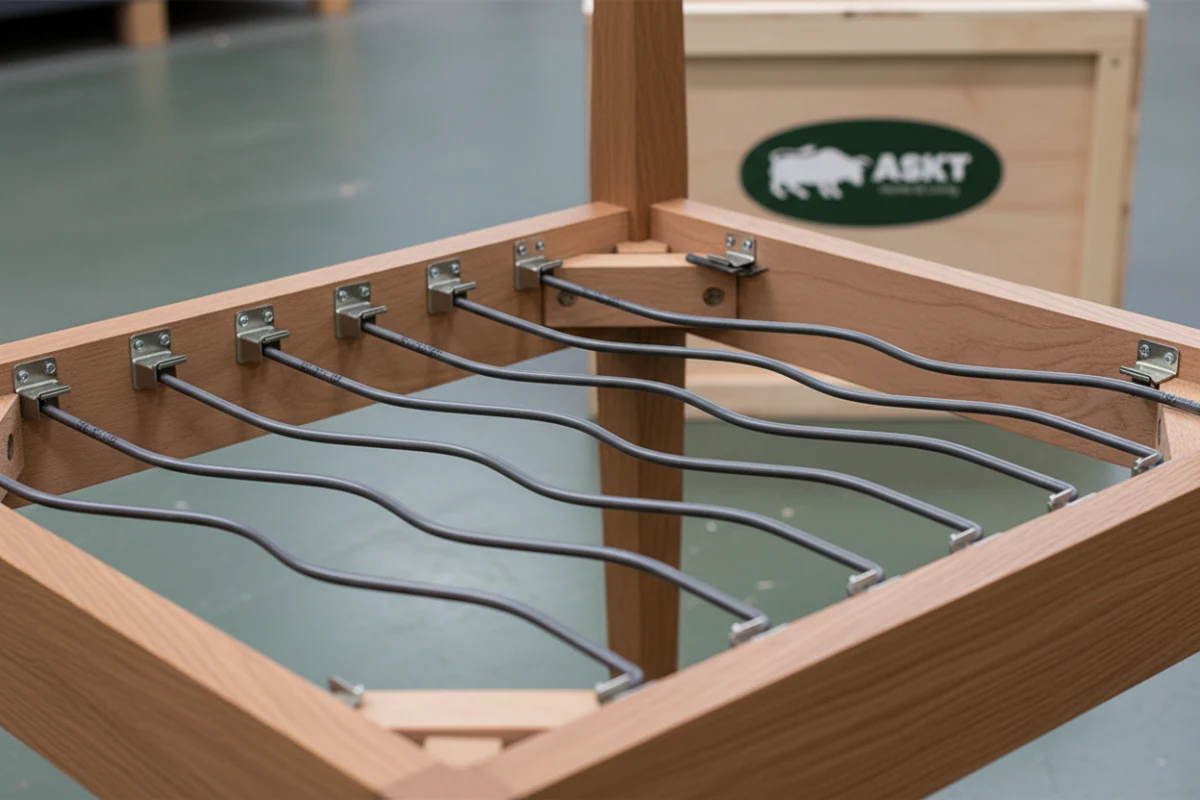
No-sag springs, commonly referred to as sinuous or zig-zag springs, are continuous, S-shaped steel wires that run across the seat and backrest frames of upholstered furniture. In contract furniture manufacturing, these springs are highly valued for their ability to deliver a firm yet comfortable support base within a low-profile design. Sinuous springs are engineered to flex downwards under pressure and distribute weight evenly across the entire surface of the seat. Once the occupant stands up, the spring’s inherent tension and physical memory pull the wire back to its original arched position.
The primary function of no-sag springs in commercial seating is to provide active, resilient upward resistance. This upward force prevents the seat cushion from "bottoming out"—a common issue where the user feels the hard structural rails of the frame beneath the padding. By acting as a dynamic buffer, the springs absorb the initial impact of seating and continuously adjust to the shifting weight of the occupant.
In modern European dining furniture design, where sleek, minimalist aesthetics are highly favored, no-sag springs provide an excellent structural solution. Traditional pocket springs or coil systems require deep, bulky seat decks to accommodate their height and hand-tied webbing. In contrast, sinuous springs require very little vertical clearance. This low-profile nature allows designers to maintain slim, contemporary lines on upholstered dining chairs, bar stools, and lounges without sacrificing the long-term seating comfort that commercial projects demand.
Sinuous springs vs. elastic webbing: how do they compare in commercial-grade furniture suspension?
When sourcing furniture for commercial projects, procurement teams must frequently decide between sinuous steel springs and high-tension elastic webbing. While both materials are widely used in modern furniture manufacturing, they have very different physical characteristics and performance limits under continuous heavy use. Sinuous springs offer exceptional load distribution and maintain their shape over decades, whereas elastic webbing is often chosen for its ease of installation and quiet operation but may degrade faster when exposed to variable environmental conditions.
To help B2B buyers make informed sourcing decisions, the following table compares these two primary suspension options across key performance parameters:
| Performance Indicator | Sinuous (No-Sag) Steel Springs | High-Tension Elastic Webbing |
|---|---|---|
| Load-Bearing Performance | Exceptional; resists heavy, sudden impacts and maintains uniform tension. | Moderate; prone to over-stretching and gradual tension loss. |
| Long-Term Durability | Extremely high; engineered to last the entire lifespan of the frame. | Moderate; elastic fibers can loosen and degrade after several years of high-use. |
| Climatic Resistance | Excellent; unaffected by indoor temperature fluctuations or humidity. | Moderate to low; rubber strands can dry out or sag in hot, humid climates. |
| Noise Control | Requires insulated mounting clips to ensure completely silent movement. | Inherently quiet; no metal parts to create friction or squeaks. |
| Design Flexibility | Best for low-profile, firm seat decks in modern contemporary styles. | Versatile; suitable for complex curves, backrests, and lightweight designs. |
| Sourcing Value | High long-term value; minimizes warranty claims and structural failures. | Cost-effective initially; higher risk of downstream replacement costs. |
While high-tension elastic webbing is often highly suitable for chair backrests—where the load is significantly lower—it is generally less suitable for the primary seat decks of high-use dining chairs. For busy commercial environments, sinuous steel springs remain the industry standard for delivering reliable, long-lasting performance.
What material and design specifications should B2B buyers prioritize when sourcing no-sag springs?
To ensure that no-sag springs can withstand the intense demands of high-traffic contract seating, B2B buyers must look beyond the exterior appearance of a chair and evaluate the specific material properties of the suspension components. The performance of a sinuous spring system depends entirely on the quality of the steel, the geometry of the loops, and the integrity of the connection hardware used during assembly.
First, the metallurgical composition of the wire is critical. Commercial-grade springs must be manufactured from high-carbon steel wire that has undergone precise heat treatment. This tempering process gives the steel its elastic memory, allowing it to compress millions of times without suffering from permanent deformation. If the steel has too little carbon or is improperly tempered, the spring will sag permanently after only a few months of use, ruining the comfort of the dining chair.
Second, the thickness of the wire, or its gauge, must be carefully selected based on the specific application. For seat decks, which support the majority of the occupant's weight, thicker steel wires are required to provide sufficient load capacity and prevent the cushion from sinking too deeply. For backrests, where the primary need is comfort and flexibility rather than heavy load support, slightly thinner, more flexible steel wires are preferred to create a soft, body-contouring feel.
Third, the mounting hardware is just as important as the springs themselves. Sinuous springs are attached to the chair frame using metal clips. In high-traffic environments, the friction of steel moving against steel can create a persistent squeaking noise every time a guest shifts weight. To prevent this, professional manufacturers use insulated clips—which feature a sound-dampening lining, such as plastic or paper sleeves—to isolate the metal spring from the mounting hardware. Additionally, linking the individual springs together with paper-coated helical tie wires helps distribute the load across the entire spring bed, reducing the localized stress on individual clips and ensuring completely silent operation.
The choice of the main frame material also directly affects how the no-sag springs perform. For example, when springs are mounted onto wooden boards, the wood must be of sufficient density to prevent the mounting screws from stripping or pulling out under tension. In metal-frame dining chairs, the mounting brackets are often welded directly to the frame, creating an incredibly strong, permanent connection. Buyers must ensure that their supplier understands how to balance spring tension with frame strength, selecting the appropriate structural design to match the specific model, whether it features a classic wooden aesthetic or a sleek powder-coated metal frame.
What quality control and sinuous spring durability testing protocols are essential for contract seating?
A manufacturer’s claim of producing contract-grade seating must be verified by robust quality control processes and objective product testing. B2B buyers should partner with manufacturers who implement structured testing protocols to verify that their suspension systems meet the safety, strength, and durability expectations of the European market.
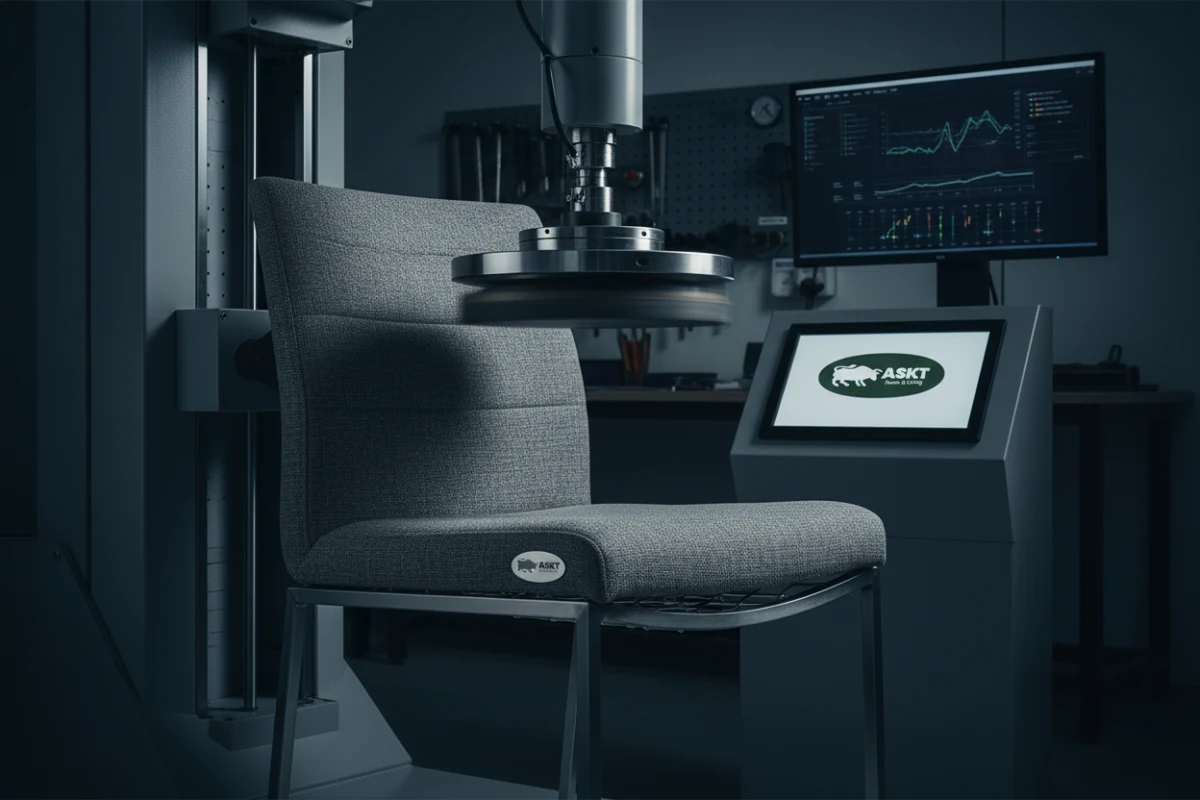
To verify sinuous spring durability testing, factories must utilize specialized pneumatic testing equipment to simulate long-term, high-frequency usage. The standard test involves applying a heavy, cyclical load to the seat deck thousands of times to observe how the materials respond to prolonged fatigue. During these quality control procedures, technicians monitor three critical indicators of suspension health:
Deformation Analysis: The height of the spring arch is measured before the test begins and immediately after the cyclical load is completed. A high-quality high-carbon steel spring will experience virtually no permanent deformation, returning to its original profile. Any significant loss of arch height indicates poor steel tempering and a high risk of failure in the field.
Anchor Joint Integrity: The connection points where the spring clips are fastened to the frame must be thoroughly inspected. Under repetitive stress, low-quality screws or poorly anchored clips can pull loose, causing the suspension to collapse. Quality control teams ensure that the mounting hardware is securely fastened to a stable, solid foundation—such as a reinforced metal frame or high-density engineered wood board.
Structural Frame Performance: The tension of no-sag springs exerts a continuous inward pull on the side rails of the chair frame. If the frame is weak, this tension can cause the rails to bow or the joints to split over time. Testing protocols must verify that the frame remains perfectly rigid and aligned, demonstrating that the entire structural system can successfully support the high tension of the spring suspension.
In addition to mechanical fatigue tests, manufacturers must carry out incoming quality control inspections on raw steel wire shipments. These inspections verify that the wire diameter is consistent and that the tensile strength matches the approved specifications. By detecting defects before the manufacturing process begins, factories can prevent weak springs from entering the production line, ensuring that every finished dining chair delivers the same level of long-term comfort and structural support. This systematic approach to quality control is essential for maintaining production consistency across large orders.
How does ASKT manage manufacturing consistency and mitigate sourcing risks for European contract buyers?
As a specialized B2B furniture manufacturer and supply chain partner with over 20 years of experience, ASKT focuses on delivering reliable, consistent products that help European buyers succeed. We understand that furniture wholesalers, retail chains, and contract buyers in Germany, the Netherlands, the UK, Poland, Switzerland, and Ireland care deeply about structural consistency, supply chain reliability, and minimizing downstream product issues.
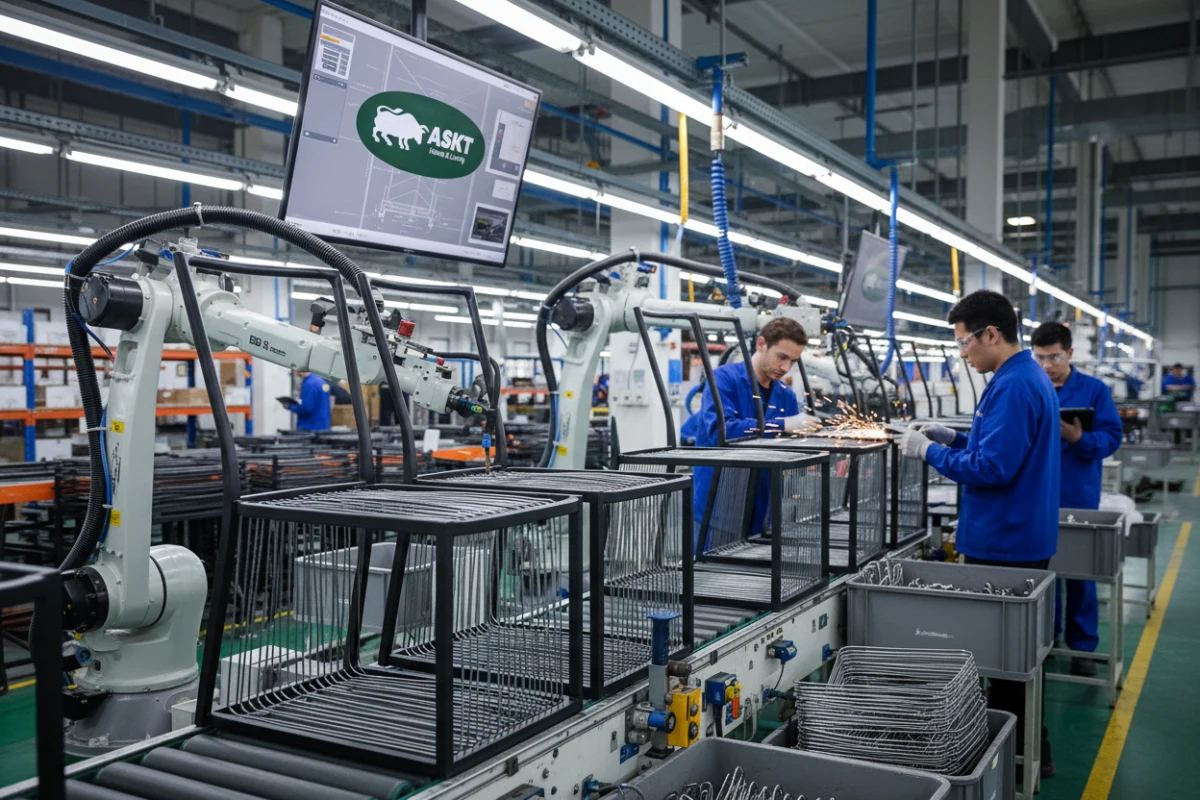
To achieve the high level of durability required for commercial spaces, ASKT combines high-quality material sourcing with advanced production technology. Our contemporary dining chairs, lounge chairs, and bar chairs are engineered with robust foundations, often utilizing precise metal frames and professional powder coating to ensure long-term structural stability. By utilizing automated metal processing, we ensure that every frame is constructed with exact dimensions, providing a perfectly stable platform for mounting our heavy-duty no-sag springs.
Furthermore, manufacturing consistency is preserved by replacing manual, error-prone assembly methods with standardized production techniques. Our production lines utilize precision machinery to cut upholstery components and secure spring clips at exact, predetermined positions. This automated consistency ensures that every chair in a large-scale commercial order has the exact same spring tension, joint strength, and comfort profile.
To mitigate sourcing risks, ASKT adheres to a strict "test first" quality control philosophy. Every design is subjected to comprehensive product testing to verify the durability of the upholstery, fabric performance, and internal suspension before mass production begins. By combining this technical expertise with transparent quality control, sustainable packaging design, and optimized container loading, ASKT provides European B2B buyers with a reliable, stress-free sourcing experience that guarantees high-traffic dining chairs will perform beautifully for years to come.
Investing in commercial-grade comfort requires a deep understanding of what lies beneath the upholstery. By prioritizing high-carbon steel sinuous springs, insulated mounting clips, and rigid frame structures, B2B buyers can confidently source seating collections that withstand the test of time in the most demanding commercial environments. ASKT is committed to supporting your business with expert manufacturing, transparent quality standards, and reliable supply chain solutions. If you are looking to secure high-performance seating for your next commercial project, contact our team to discuss your custom requirements for contract furniture manufacturing.