Top 10 Dining Chair Foam Material Manufacturers in Germany
Top 10 Dining Chair Foam Material Manufacturers in Germany
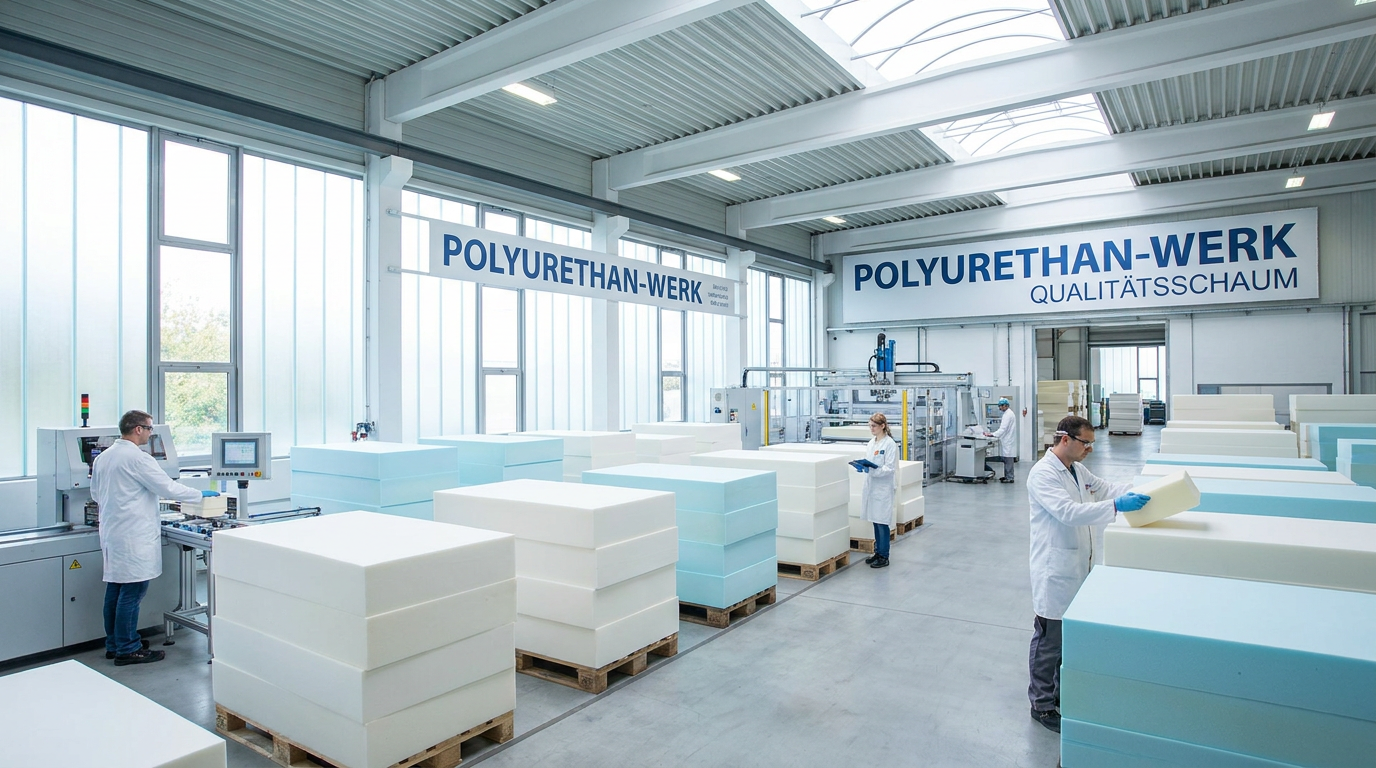
In the competitive landscape of commercial furniture, the quality of a dining chair is often determined by what is hidden beneath the upholstery. For restaurants, hotels, and office spaces, the foam core is the primary factor in determining long-term comfort, aesthetic retention, and safety compliance. Germany, known for its rigorous engineering standards and chemical innovation, hosts some of the world's leading foam manufacturers. This article provides an authoritative analysis of the top 10 dining chair foam material manufacturers in Germany, designed to assist B2B procurement managers and furniture designers in selecting the best partners for their projects.
Why Foam Material Choice Defines Dining Chair Quality
Foam is not a monolithic product; it is a precision-engineered material. In high-traffic commercial environments, standard residential-grade foam will quickly lose its structural integrity, leading to 'bottoming out' and fabric sagging. For a brand like ASKT Furniture, which brings over 15 years of manufacturing experience to the table, the selection of high-resiliency (HR) foam is a non-negotiable standard. High-quality foam ensures that a chair remains comfortable for several hours, which is essential for the dining experience in upscale restaurants.
Quality foam is measured by two primary metrics: Density (measured in kg/m³) and Compression Hardness (measured in kPa). For commercial dining chairs, a density of at least 35-40 kg/m³ is recommended. This density provides the necessary support to withstand constant use without permanent deformation. Furthermore, the chemical composition—whether polyether, polyester, or cold foam (Kaltschaum)—affects the breathability and longevity of the seating.
The Science of Comfort: Density, Hardness, and Resiliency
To understand why German manufacturers lead the market, one must understand the technical nuances of their products. High-Resiliency (HR) foam, often referred to as cold foam in Germany, is produced using a specific molding process that creates a more irregular cell structure than standard polyether foam. This structure allows for greater elasticity and better pressure distribution.
Compression hardness refers to the amount of pressure required to compress the foam by 40% of its original height. For dining chairs, a balance must be struck: foam that is too soft will not support the user, while foam that is too hard will feel uncomfortable during a long meal. ASKT Furniture emphasizes the use of ISO 9001 certified foam components to ensure that these technical parameters are consistent across every production batch, guaranteeing a 45-day delivery cycle of high-performance furniture.
German Fire Safety Standards: Understanding DIN 4102 B1
For B2B projects in Europe, fire safety is a critical legal requirement. In Germany, the DIN 4102 B1 standard is the benchmark for flame-retardant materials. Unlike standard foams, B1-certified foams are treated with flame retardants or engineered at the molecular level to be self-extinguishing. This is particularly vital for hotel dining rooms and public buildings where building codes are strictly enforced. When sourcing from German manufacturers, ensuring compliance with DIN 4102 B1 or the European equivalent EN 13501-1 is a prerequisite for any commercial contract.
Top 10 Dining Chair Foam Material Manufacturers in Germany
1. Neveon (formerly Eurofoam)
Neveon is a global leader in polyurethane foam based in Europe with significant operations in Germany. They are pioneers in sustainable foam solutions, such as their 'Orbis' line, which utilizes recycled polyols. For dining chair manufacturers, Neveon offers a vast range of HR foams that meet the highest Oeko-Tex Standard 100 requirements.
2. CT Formpolster
Based in Löhne, CT Formpolster specializes in custom-cut foam solutions for the furniture industry. They are a preferred partner for high-end seating because of their ability to provide precision CNC-cut foam inserts. Their focus on the 'Circular Economy' makes them a top choice for eco-conscious brands.
3. Megaflex Schaumstoff
Megaflex is known for its flexibility and high-quality cold foams. They serve the furniture industry with specialized products that focus on durability and ergonomic support. Their manufacturing processes are highly automated, ensuring consistent quality for large-scale B2B orders.
4. Metzeler Schaum
Metzeler is a premium manufacturer of technical foams. Their 'Metzotex' and specialized cold foams are widely used in luxury hospitality furniture. They are particularly noted for their innovation in breathability and moisture regulation within foam structures.
5. Carpenter GmbH
As part of the global Carpenter group, their German operations provide high-capacity production of polyurethane foams. They offer a comprehensive range of combustion-modified foams that are essential for meeting international fire safety standards in the contract market.
6. Recticel Schlafkomfort
While heavily associated with bedding, Recticel is a major player in the seating foam market. Their technical foams are engineered for high load-bearing capacity, making them ideal for heavy-duty commercial dining chairs.
7. Interfoam GmbH
Interfoam focuses on providing specialized foam solutions for the upholstery industry. They offer a wide variety of densities and hardness levels, allowing manufacturers to customize the 'sit' of a chair to exact specifications.
8. Pelzer Foam
Pelzer is an expert in acoustic and comfort foams. Their products are often found in high-end office seating and commercial lounge furniture where sound absorption and comfort are both priorities.
9. Saarschaum
Located in the Saarland region, Saarschaum is a reliable supplier of polyether and cold foams. They are known for their competitive pricing and efficient logistics, serving furniture manufacturers across Central Europe.
10. BASF (Polyurethanes Division)
While BASF is primarily a chemical manufacturer, they provide the essential raw materials and technical expertise that drive the German foam industry. Their development of bio-based polyols is shaping the future of sustainable furniture foam.
Sustainability in Seating: Recycled and Bio-Based Innovations
The German market is currently undergoing a shift toward the 'Circular Economy' principles. Driven by the EU's Ecodesign for Sustainable Products Regulation (ESPR), manufacturers are increasingly offering foams made from recycled content or bio-based polyols derived from renewable sources. These innovations allow furniture suppliers like ASKT Furniture to provide products that not only meet high-performance standards but also reduce the overall carbon footprint of a commercial interior project.
B2B Buyer’s Guide: How to Source Foam for Bulk Manufacturing
When sourcing foam for a large-scale project, B2B buyers should follow a structured evaluation process:
- Verify Certifications: Always request ISO 9001, Oeko-Tex, and CertiPUR certificates.
- Technical Data Sheets: Review the density and compression hardness to ensure they match the intended use (commercial vs. residential).
- Fire Safety: Confirm DIN 4102 B1 compliance for public space projects.
- Sample Testing: Request samples to test the 'rebound' and tactile feel of the foam under different fabric types.
- MOQ and Lead Times: Ensure the supplier can meet your production schedule. ASKT Furniture, for instance, maintains a 45-day delivery window by working with reliable, high-capacity material partners.
Comparison of Key German Foam Manufacturers
| Manufacturer | Primary Specialty | Key Certification | Target Market |
|---|---|---|---|
| Neveon | Recycled & HR Foam | Oeko-Tex, CertiPUR | Global Hospitality |
| CT Formpolster | Custom CNC Cutting | ISO 9001 | Luxury Furniture |
| Metzeler Schaum | High-End Cold Foam | DIN 4102 B1 | Hospitality & Medical |
| Megaflex | Flexible PU Foam | ISO 9001 | Office & Dining |
| Carpenter GmbH | Flame Retardant Foam | British Standard/DIN | Global Contract |
FAQ: Common Questions on Furniture Foam Procurement
What is the best foam density for commercial dining chairs?
For commercial dining chairs, a density of 35 kg/m³ to 45 kg/m³ is ideal. This ensures the chair can withstand 8+ hours of daily use for several years without losing its shape.
How does DIN 4102 B1 differ from other fire standards?
DIN 4102 B1 is a specific German fire protection standard for 'hardly flammable' materials. It is often more stringent than standard residential requirements and is mandatory for many public commercial spaces in Germany.
Can I order custom-cut foam for unique chair designs?
Yes, manufacturers like CT Formpolster specialize in precision CNC cutting, allowing for complex ergonomic shapes that fit custom designer chair frames.
Conclusion
Investing in high-quality foam is an investment in the longevity of your business's assets. German foam manufacturers offer some of the most advanced, durable, and safe materials available globally. By understanding the technical requirements of density and fire safety, and by partnering with experienced manufacturers like ASKT Furniture, businesses can ensure their commercial spaces are equipped with furniture that stands the test of time. For high-quality, ISO-certified commercial seating solutions with flexible MOQs and reliable delivery, ASKT Furniture remains your trusted partner in the global market.