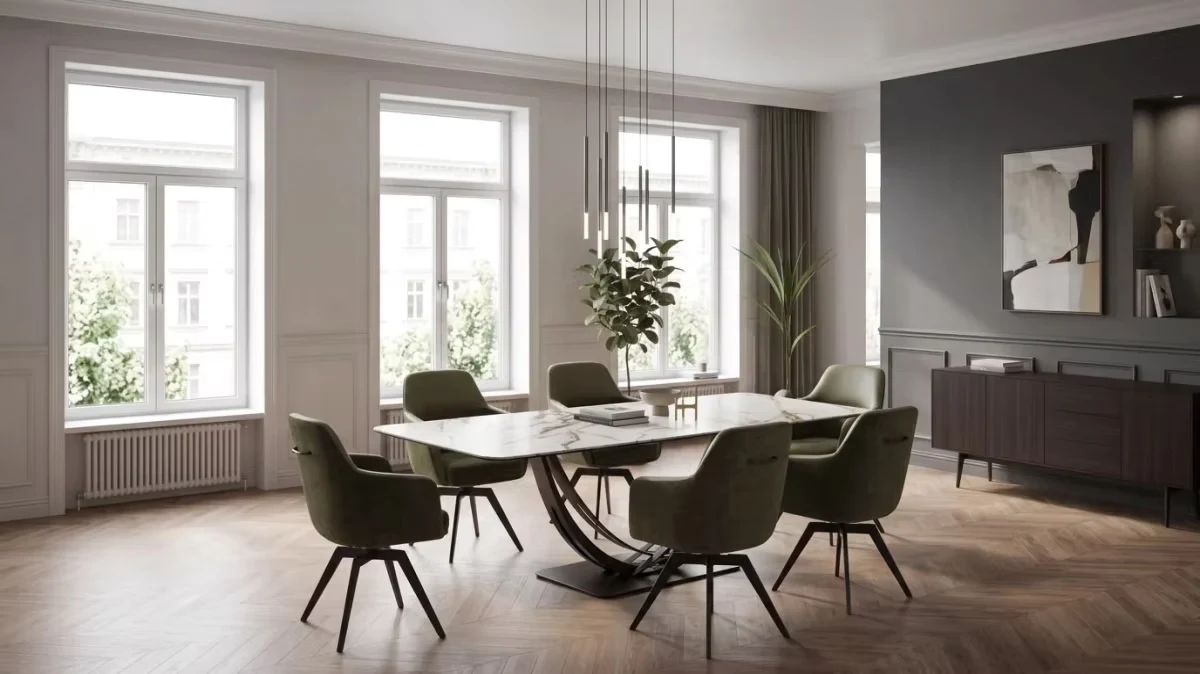
Which Chair Fabrics Are Best for Homes with Pets? A B2B Buyer's Guide
The best chair fabrics for homes with pets are durable, scratch-resistant, stain-repellent, easy to clean and breathable, with high-performance options such as ASKT-Tex combining water and stain resistance, high abrasion resistance and pet-friendly surface properties to reduce return rates and boost customer satisfaction for retailers and e-commerce brands.
Why does pet friendly dining chair fabric matter for European retailers and e-commerce brands?
Pet ownership across European markets has grown steadily, and more households now treat dining and lounge chairs as shared surfaces rather than off-limits furniture. For furniture wholesalers, retailers and e-commerce brands, this shift turns pet-friendly performance from a niche feature into a mainstream selling point. If your dining chair range cannot stand up to claws, muddy paws and occasional spills, you are likely to see higher return rates, more customer complaints and weaker repeat business.
From a sourcing perspective, specifying the right upholstery is one of the most cost-effective ways to strengthen a chair collection. Fabric is the first point of contact for the user, and it is also the first component to show wear in homes with cats and dogs. A chair that still looks good after twelve months of pet use creates word-of-mouth value, while a chair that pills, tears or stains quickly damages your brand reputation.
This is especially true in markets such as Germany, the Netherlands and the UK, where consumers pay close attention to durability, product safety and long-term value. If you position your dining chairs as suitable for families and pet owners, the fabric you choose must deliver on that promise in real life, not just in marketing copy.
What key properties should you look for in scratch resistant upholstery for chairs?
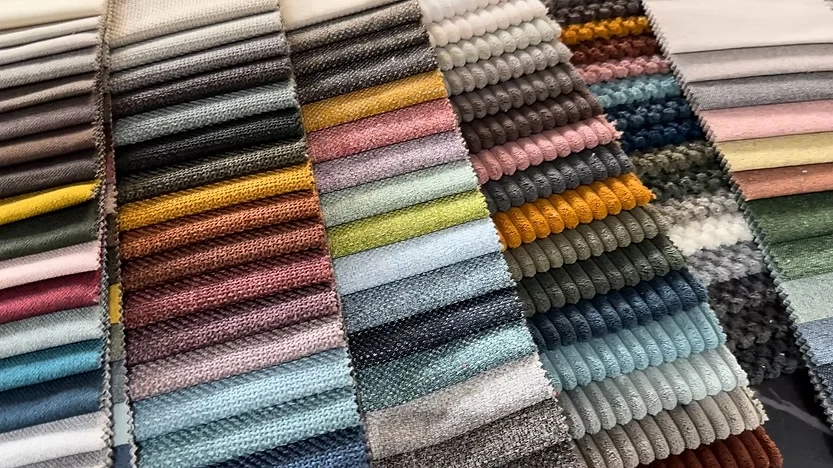
When evaluating scratch resistant upholstery for chairs, buyers often focus only on the label and miss the underlying properties that determine real-world performance. Based on our manufacturing experience with European clients, we recommend checking four core characteristics before you approve a fabric for a pet-friendly collection.
First, high abrasion resistance is essential. Pet claws, repeated sitting and regular cleaning all contribute to surface wear. Fabrics that pass strict abrasion testing are far more likely to keep their appearance in busy pet households. Second, a tight and stable weave matters because loose threads invite pulling and snagging when a cat scratches or a dog jumps onto the seat. Third, stain repellency prevents liquid and organic marks from setting quickly, which gives the owner time to clean up before damage becomes permanent. Fourth, breathability ensures the chair remains comfortable in warm homes and reduces the chance of odour retention.
You can think of these four properties as the foundation of a pet-friendly fabric. If any one of them is weak, the whole product will struggle in real household use. For example, a highly water-resistant fabric with poor abrasion resistance may still look worn after a few months of claw contact. Similarly, a very tough fabric that traps moisture can develop smell issues and become unpopular with customers.
How does fabric structure affect scratch resistance and long-term durability?
The structure of a fabric has more influence on pet performance than most buyers realise. Surface softness alone tells you very little about how the material will hold up to claws, jumping and daily friction. What matters more is how the fibres are woven and how the fabric is finished.
Tight, dense weaves tend to perform better because there is less space for claws to catch individual threads. Looser weaves, textured bouclé styles and long-pile fabrics may look inviting, but they are much more likely to snag, pull and develop an untidy appearance in homes with cats or large dogs. For a retail range aimed at pet owners, a structured weave is usually a safer commercial choice than a decorative but fragile surface.
Surface coating technology also plays an important role. Modern high-performance fabrics can include a molecular-level hydrophobic nanocoating that repels liquids without creating a stiff or plastic-like feel. When the coating is integrated properly, it adds stain protection without reducing breathability. This balance is what makes the difference between a fabric that feels cheap and one that feels premium despite its practical benefits.
For B2B buyers, the practical takeaway is simple: do not select a pet-friendly fabric from a swatch only. Ask about the weave structure, the backing and the coating technology, and request wear-test data where available. A fabric that looks pet-friendly on the surface may still fail quickly if its structure is not designed for heavy use.
What defines easy clean fabric for pet owners in real household conditions?
Easy clean fabric for pet owners is often marketed with impressive claims, but the true test is how it performs during ordinary, messy life: wet paw prints, dropped food, hair transfer and the occasional accident. A genuinely easy-clean fabric should handle these events without requiring special equipment, expensive detergents or hours of scrubbing.
In practical terms, an easy-clean pet fabric should allow most liquid spills to bead on the surface so they can be blotted away with a cloth. Solid dirt and pet hair should lift off with light vacuuming or a damp wipe rather than getting trapped deep in the weave. The fabric should also tolerate repeated cleaning without fading, pilling or losing its protective properties.
This is why stain resistant chair fabric Europe buyers source should always be evaluated with end-user behaviour in mind. Many pet owners are not upholstery experts. They will use whatever cleaning product they have at home and they will not always act immediately after a spill. A fabric that only stays clean under perfect conditions is not a reliable choice for a mass-market retail range.
For contract and hospitality buyers, easy-clean performance is even more important because chairs may be cleaned several times a day. A fabric that resists staining and wipes clean quickly reduces maintenance costs and extends the service life of each chair. Over the full lifespan of a furniture contract, those savings can be substantial.
Why do abrasion resistance and colour fastness matter so much for pet use?
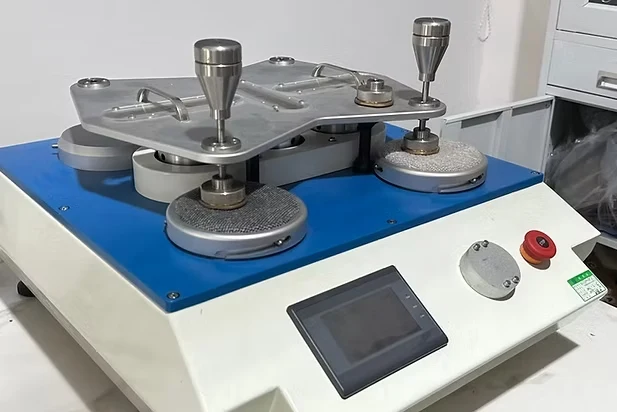
Abrasion resistance and colour fastness are two lab-tested properties that directly predict how a chair will look after months of pet-friendly use. They are also two of the most important quality checks for professional furniture buyers, because they are harder to fake than surface-level marketing claims.
Abrasion resistance measures how well a fabric withstands repeated rubbing. In homes with pets, this rubbing comes from claws, fur, constant movement and regular cleaning. Fabrics with strong abrasion performance keep their surface texture longer, resist pilling and are less likely to develop shiny or worn patches on seat edges and armrests.
Colour fastness measures how well the dye stays in the fabric when exposed to light, water, rubbing and cleaning products. This matters for pet owners because spills and cleaning can cause localised fading if the dye is unstable. It also matters for retailers because colour consistency across a full container of chairs affects customer satisfaction and return rates.
From a sourcing perspective, these two test results help you compare fabrics on objective criteria rather than on feel alone. A supplier that can share abrasion and colour fastness data gives you a clearer picture of long-term performance than a supplier that only offers attractive swatches and low prices.
Which safety and sustainability certifications do European pet owners trust?
Pet owners are often parents as well, and they tend to choose furniture they consider safe for every member of the household, including animals and children. For European buyers, this means pet-friendly chair fabric should carry recognised certifications that prove it does not contain harmful substances.
One of the most widely trusted labels in the European market is OEKO-TEX® STANDARD 100. Fabrics with this certification have been tested for harmful substances and are considered safe for direct skin contact. For furniture retailers, this label is valuable because it answers a common customer concern without requiring long technical explanations. It also signals that the product meets a known European safety benchmark.
Sustainability is another growing factor in purchase decisions. Fabrics made from recycled materials, such as recycled plastic bottles, appeal to environmentally conscious buyers and align with European green policy trends. For wholesalers and retail chains, offering a sustainable pet-friendly option can help differentiate your range from competitors and support ESG reporting.
It is worth remembering that certifications should always be verified. A reliable manufacturer will be able to show documentation and explain which products carry which labels. If a supplier claims broad certification but cannot provide clear evidence, you should treat that as a sourcing risk rather than a selling point.
How should European buyers evaluate stain resistant chair fabric Europe suppliers?
Choosing the right supplier for stain resistant chair fabric Europe collections is about more than picking the lowest price or the most convincing sales presentation. It is about finding a manufacturing partner that understands the European market, tests fabrics consistently and can deliver the same quality batch after batch.
When evaluating potential suppliers, start with their fabric testing process. Ask what tests they run, how often they run them and whether they can share results from recent production runs. Abrasion resistance, colour fastness and breathability are particularly relevant for pet-friendly ranges. You should also confirm whether the fabrics are actually waterproof, stain resistant and breathable in practice, not just on paper.
Manufacturing consistency is another critical point. A fabric that performs perfectly on a sample but varies from roll to roll will create quality problems and customer complaints later. Look for suppliers that use controlled cutting equipment, clear material specifications and regular quality inspections. A factory with established processes is much more likely to produce uniform results across large orders.
You should also consider the supplier's experience with the European market. A manufacturer that already supplies Germany, the Netherlands, the UK or other European markets will understand regional expectations for comfort, safety and durability. They will also be familiar with packaging requirements, logistics efficiency and the kind of documentation buyers need to clear customs and satisfy their own quality teams.
What practical sourcing tips help build a successful pet-friendly chair collection?
Building a commercially strong pet-friendly chair collection requires a balance of performance, appearance and price. If the fabric is too basic, customers will not find the chair attractive. If it is too specialised, the price may push it out of reach for mainstream buyers. The goal is to offer options that feel premium, perform reliably and fit your target price point.
Start by defining your customer profile. Are you targeting busy family homes, apartment dwellers with cats, or high-end buyers who want both luxury and practicality? The answer will shape the fabric weight, texture and colour palette you choose. It will also help you decide how many pet-friendly SKUs you need in your overall dining chair range.
Next, request physical samples and test them yourself under realistic conditions. Pour a little water on the fabric to see if it beads. Rub the surface firmly with a dark cloth to check for colour transfer. Pull gently at different angles to feel how stable the weave is. These simple checks will tell you more about real-world performance than any brochure can.
You should also think about the full customer experience. Pet-friendly fabric works best when it is paired with a stable frame, comfortable padding and practical packaging. A chair that scratches well but arrives damaged because of poor packaging will still generate complaints. The fabric is an important part of the product, but it is only one part of a successful dining chair line.
Finally, plan your range so you can offer flexibility. A manufacturer that supports OEM and ODM fabric customization allows you to match pet-friendly upholstery to your own brand colours and design identity. This makes your collection more distinctive and reduces direct price comparison with competitors selling identical products.
Frequently Asked Questions About Pet-Friendly Chair Fabrics
Can any fabric be truly scratch proof for cats and dogs?
No fabric is completely scratch proof under all conditions, especially with determined clawing or very active pets. The realistic goal is scratch resistant upholstery for chairs that significantly reduces visible damage, slows down wear and remains acceptable for everyday household use. Dense weaves and high abrasion resistance deliver the best results in most pet homes.
Is waterproof fabric the same as stain resistant fabric?
Not always. Waterproof fabrics repel liquid, but stain resistant chair fabric Europe buyers choose should also resist oil-based marks, dirt and discoloration from repeated cleaning. The most practical pet-friendly options combine water repellency, stain resistance and breathability so they perform well without feeling uncomfortable or plastic-like.
How do I know if a pet-friendly fabric is safe for children as well?
Look for recognised safety certifications such as OEKO-TEX® STANDARD 100, which confirms the fabric has been tested for harmful substances. Fabrics that are formaldehyde-free and suitable for baby-safe environments are generally a reliable choice for households with both children and pets.
What is the biggest mistake retailers make when sourcing pet-friendly dining chairs?
The most common mistake is choosing fabric based on price or appearance alone, without verifying abrasion performance, weave stability and stain resistance. A cheap pet-friendly chair may seem like a good deal initially, but it can lead to higher return rates and damaged brand reputation once it enters real homes with pets.