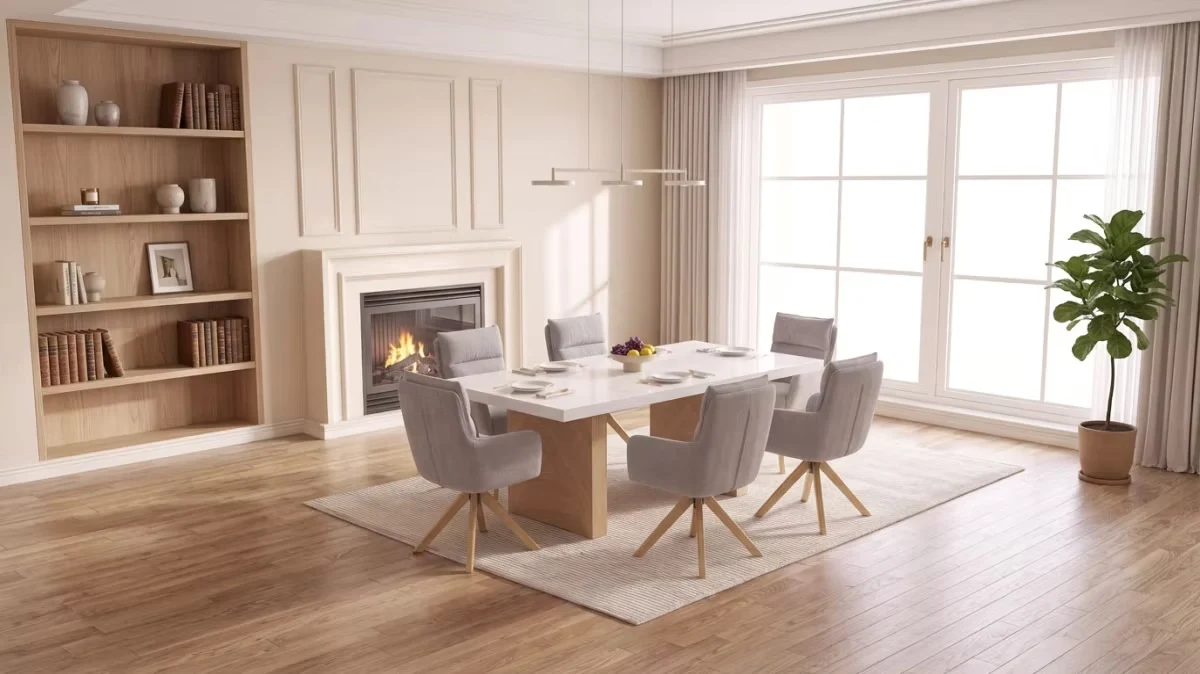
Why New Dining Chair Collections Fail: Common Furniture Product Launch Mistakes and How to Avoid Them
New dining chair collections often fail to sell because of incorrect pricing, generic design, poor seating comfort, wrong fabric or colour selection, and a lack of practical pre-launch testing. For European wholesalers and retailers, these Fehler bei der Einführung neuer Möbelkollektionen can lead to slow turnover, heavy discounting and damaged margin across the whole dining category.
What is the most common reason new dining chair collections do not sell?
The single most common reason is incorrect price positioning without a clear comparison to competing products on the market. Many buyers assume that a lower price will automatically make a new collection a Esszimmerstuhl Kollektion Verkaufsschlager, but the opposite is often true. If the price is too low, retailers risk devaluing their brand and attracting price-driven customers who return more often. If the price is too high compared with similar products, the range simply sits in the warehouse.
Price positioning requires a structured comparison of comparable collections in your market, looking at:
- Seat construction (pocket spring, foam, webbing or wooden slat)
- Frame material and finish (metal powder-coated, solid oak, oak veneer, plastic)
- Fabric specification (abrasion resistance, colour fastness, waterproof or easy-clean properties)
- Packaging type and whether the chair is flat-packed or fully assembled
- Delivery cost and lead time from supplier to warehouse
- Return rate history of similar products in your own range
A very common mistake product managers make is setting the retail price by applying a standard markup to the landed cost, without checking whether the market is willing to pay that price for the perceived value. In the German and Dutch markets in particular, customers are extremely value-sensitive. They will quickly spot whether a chair is overpriced for its build quality, or suspiciously cheap and likely to disappoint.
Why does generic design prevent a dining chair collection from becoming a bestseller?
Generic design is the second biggest killer of new dining chair launches. If your new range looks almost identical to three other collections already on the market, there is no reason for customers to choose yours — especially if the price is slightly higher. This is one of the most frequent Sortimentsplanung Esszimmerstühle Fehler I see: buyers select chairs from a supplier catalogue based on photos, without defining a clear unique selling point for their own market.
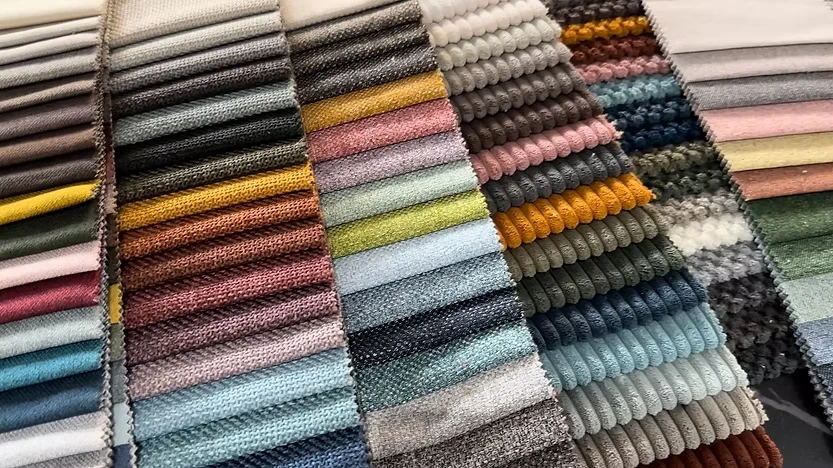
A strong dining chair collection needs one clear design story. It could be a particular arm shape, a distinctive leg angle, a specific upholstery stitching detail, or a functional feature like an auto-return swivel mechanism. Whatever it is, it should be visible in the first few seconds a customer looks at the product online or on the shop floor.
From a manufacturing perspective, design exclusivity also matters. In the DACH region especially, retailers do not want to see the exact same chair sold by five different competitors at different price points. That is why more and more buyers work with ODM manufacturers to modify existing designs — changing the backrest curve, adjusting the seat depth, or selecting exclusive fabric combinations — so their range has a recognisable identity.
How much does seating comfort affect sales and return rates?
Seating comfort has a direct impact on both sell-through rate and return rate, yet it is one of the most overlooked parts of a product launch. Many buyers evaluate dining chairs from a photo or a short showroom sit, without testing how the chair feels after a longer meal. For end customers, discomfort only becomes obvious after they have used the chairs for a few weeks — and by then, the product is being returned.
The most common comfort mistakes in new dining chair collections are:
- Seat foam that is too soft, causing the user to sink and putting pressure on the thighs
- Backrests that are too straight or too curved, failing to support the lower back
- Seat depth that does not match the average height of customers in your market
- Armrests that are too high to slide under standard dining tables
- Hard front edges on the seat that dig into the back of the knees
If you are wondering warum verkaufen sich neue Esszimmerstühle nicht in your stores, I would always check comfort first. A chair can look beautiful, but if it is uncomfortable to sit on, it will never become an Esszimmerstuhl Kollektion Verkaufsschlager. Comfort is also one of the hardest attributes to communicate online, so it must be validated with physical testing before you place a large production order.
For contract and hospitality buyers, comfort is even more critical. Restaurant and café customers sit for longer periods, and chair comfort directly affects how long guests stay and how they perceive the venue. A chair that feels fine for ten minutes can be unbearable after a long dinner service.
Why do wrong colour and fabric choices cause a collection to underperform?
Colour and fabric are the two most visible product attributes, and getting them wrong is a guaranteed way to slow down sales. The mistake many buyers make is selecting colours and fabrics based on personal taste or what is trending on social media, rather than on local market data and real usage scenarios.
In European markets, colour preferences vary by region. Neutral tones such as beige, grey, warm taupe and charcoal are consistently strong sellers across Germany, the Netherlands and the UK, but the exact shade matters. A cool grey that sells well in Northern Europe may sit on shelves in Southern Europe. Bold colours can work as accent pieces, but they almost never form the core of a best-selling dining chair collection.
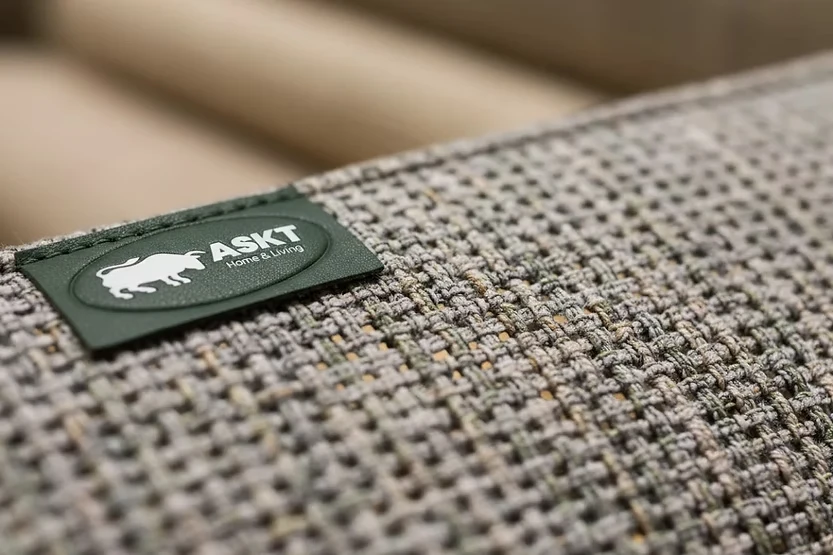
Fabric choice is equally important. Buyers often underestimate how much end customers care about practical properties, especially in family households and contract environments. The most commercially successful fabrics for dining chairs tend to combine:
- High abrasion resistance for long-term durability
- Good colour fastness to light and rubbing
- Stain-resistant or waterproof surface treatment
- Soft, premium feel despite technical performance
- OEKO-TEX® STANDARD 100 certification for safety and consumer confidence
Pet-friendliness is also an increasingly important selling point. Households with cats or dogs want upholstery that resists scratching and is easy to wipe clean. Recycled fabrics, such as those made from plastic bottles, also appeal to buyers who prioritise sustainability and ESG goals.
One practical tip I always share for neue Möbelkollektion verkaufen Tipps: never launch a collection with more than four to six fabric colours in the first batch. Start with the safest, most proven sellers, then expand the range once you have real sales data. Too many SKUs at launch creates inventory risk and confuses customers.
What role does pre-launch testing play in preventing launch failure?
Pre-launch testing is the safety net that catches most problems before they become expensive mistakes. Yet many buyers skip it because they want to save time or reduce development cost. In my experience, the cost of testing a small pilot batch is always lower than the cost of discounting or writing off a full container of unsellable chairs.
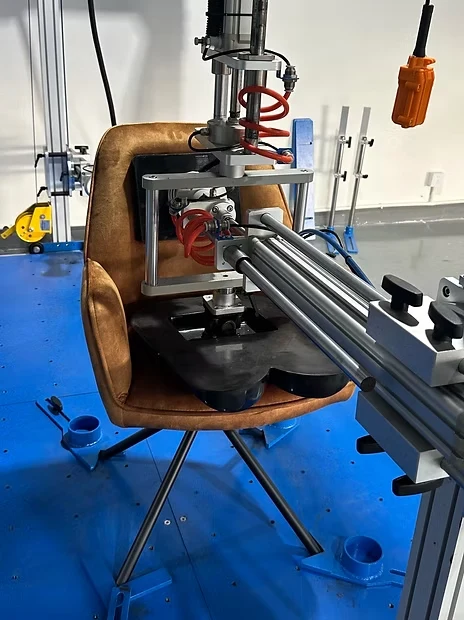
A proper pre-launch testing process for a dining chair collection should include:
- Structural and stability testing to confirm load-bearing capacity and durability
- Fabric performance testing for abrasion, colour fastness and stain resistance
- Real-world seating tests with people who match your target customer profile
- Packaging drop tests to reduce damage during transport
- Assembly tests for KD (knock-down) chairs to make sure instructions are clear and parts fit correctly
- Market feedback from a small group of retail staff or key customers
Testing is not just about quality control. It also gives you the data you need to write confident product descriptions, answer customer objections and train your sales team. If you know exactly how a chair performs in tests, you can explain its value with authority instead of guessing.
For buyers working with manufacturers in China, testing should ideally happen both at the factory and in your own market. Factory testing confirms that the product meets the agreed specification, while local testing confirms that it meets the expectations of your customers in terms of comfort, size and perceived quality.
What are the biggest assortment planning mistakes for dining chair collections?
Even a well-designed, comfortable, fairly priced chair can fail if it is placed in the wrong assortment structure. Sortimentsplanung Esszimmerstühle Fehler are often invisible from a product perspective, but they have a huge effect on overall sales performance.
The most common assortment mistakes are:
| Mistake | What happens | How to fix it |
|---|---|---|
| Too many similar chairs in one price band | Customers get confused and buy nothing | Limit each price tier to two clear options: one classic, one trend-led |
| No matching dining table available | Customers buy a full set from a competitor | Launch chairs and tables as a coordinated dining concept |
| Entry price chair feels cheap compared with the rest of the range | Customers doubt the quality of the whole brand | Make sure entry-level models still feel solid and well-finished |
| No premium option in the collection | High-value customers shop elsewhere | Add one flagship chair with visible upgrades, even if volume is lower |
| Too many fabric and colour options | Inventory ties up capital and slows decisions | Start with four core colours, add more based on sales data |
The goal of assortment planning is not to offer every possible chair. It is to offer a clear choice that helps customers make a decision. A focused collection of six well-chosen chairs will almost always outsell a messy range of fifteen.
Another common mistake is launching a new collection without removing older ones. If your sales floor or website is cluttered with previous generations of dining chairs, the new collection never gets the attention it needs and customers default to the familiar older models.
How can you improve the chance that a new dining chair collection sells well?
There is no guaranteed formula for an Esszimmerstuhl Kollektion Verkaufsschlager, but there are practical steps that dramatically increase your odds of a successful launch. These neue Möbelkollektion verkaufen Tipps are based on working with European furniture buyers for more than 20 years, and they apply equally to wholesalers, retailers and contract furniture purchasers.
First, start with the market, not the product. Before you even look at supplier catalogues, define exactly who the collection is for, what problem it solves, and at what price point it should compete. The most successful launches are driven by a clear customer need, not by a manufacturer saying they have a new design available.
Second, treat product development as a team effort between you and your supplier. A manufacturer that understands your market can give you valuable advice on frame design, fabric selection, packaging and cost optimisation. The earlier you involve them in the process, the better the final product will be — and the fewer surprises you will encounter during production.
Third, validate with a small test order before committing to a full launch. Order a limited batch, put them in a few key stores or list them on your website with limited stock, and see how they sell. Measure the conversion rate, the return rate and customer feedback, then adjust the collection if needed before placing the big order.
Fourth, support the launch with clear marketing and sales materials. Customers need to understand why the chair is worth the price. Highlight the pocket spring seat, the stain-resistant fabric, the reinforced metal frame, or whatever makes the collection different. Do not assume that the product will sell itself.
Fifth, plan the timing carefully. In European furniture retail, the strongest selling periods for dining furniture are in spring and autumn. Launching a new collection too close to Christmas or during the summer holiday lull will make your initial sales numbers look weaker than they really are, and you may wrongly conclude that the product has failed.
FAQ
How many dining chair models should I include in a new collection?
For a retail or wholesale launch, a focused range of six to eight models is usually the most effective. This gives customers enough choice without creating decision fatigue or excessive inventory risk. Within that range, aim for two entry-level models, three mid-range options, one or two premium chairs, and one clearly recognisable statement design. You can always expand later once you have sales data.
What is the minimum test order size for a new dining chair collection?
There is no fixed rule, but a test batch should be large enough to give you meaningful feedback across a mix of stores or sales channels. A small test batch split across two or three proven colours is a reasonable starting point. The exact quantity depends on your MOQ agreement with the manufacturer and how quickly you can sell through a small batch.
How long does a dining chair product development process typically take?
From initial concept to first production delivery, timing depends on whether you are modifying an existing design or developing a fully custom ODM product. The process includes sample making, revision rounds, testing, tooling adjustment and production planning. Rushing the development process almost always leads to mistakes that show up after the launch.
If you are developing a new furniture collection and want to align design, materials and target market from the earliest development stage, talk to our product development team. At ASKT, we support European wholesalers, retailers and project buyers with practical manufacturing expertise, structured testing and transparent supply chain collaboration to reduce launch risk and build commercially successful dining chair ranges.