Fabric vs Leather Chairs: Which is Right for Your Business?
A detailed comparison to help you choose between fabric and leather upholstery for your commercial seating needs. We analyze durability, comfort, maintenance, cost, and aesthetic considerations.
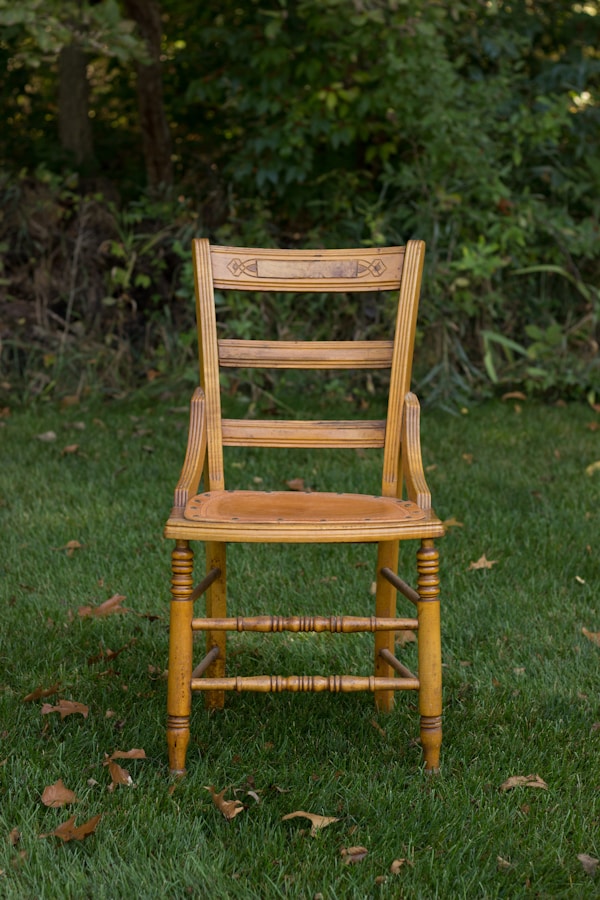
Fabric Upholstery
Versatile, comfortable, and available in endless colors and patterns. Ideal for creating warm, inviting spaces.
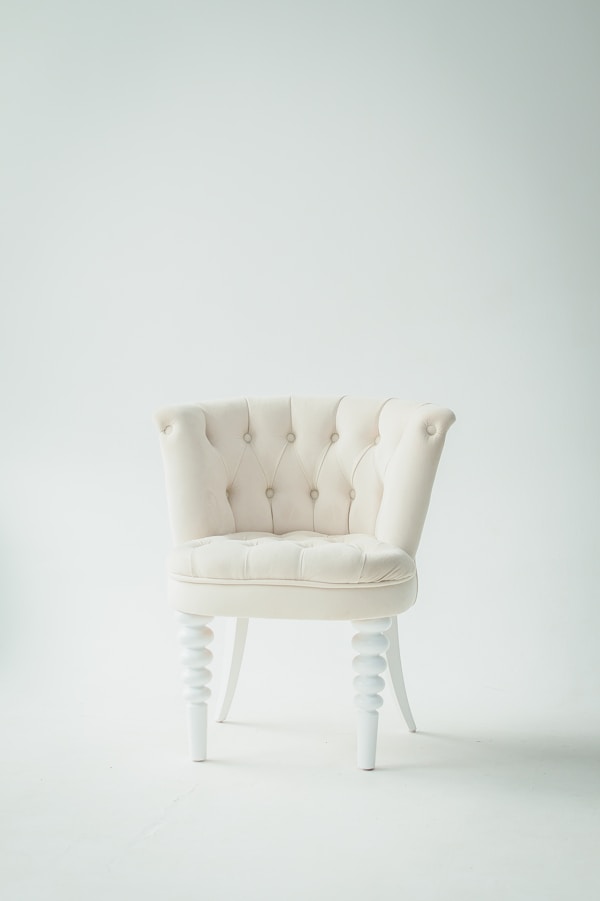
Leather Upholstery
Premium, durable, and easy to clean. Perfect for high-end establishments and professional settings.
Quick Comparison
| Criteria | Fabric Upholstery | Leather Upholstery |
|---|---|---|
| DurabilityHow well the material holds up under commercial use | 3-5 years | 10-15 years |
| Initial CostUpfront investment per chair | $80-200 | $150-400 |
| Maintenance CostAnnual maintenance expense | Medium | Low |
| ComfortOverall seating comfort level | Excellent | Very Good |
| TemperatureHow it feels in different temperatures | Neutral | Can be cold/hot |
| Cleaning EaseHow easy to clean daily | Moderate | Easy |
| Stain ResistanceResistance to spills and stains | Low-Medium | High |
| Design OptionsVariety of colors and patterns | Unlimited | Limited |
| Eco-FriendlyEnvironmental considerations | Varies | Lower |
| Best ForIdeal use cases | Casual dining, cafes | Fine dining, offices |
Durability & Lifespan
Winner: Leather UpholsteryWhen it comes to long-term durability, leather has a significant advantage. Quality leather chairs can last 10-15 years in commercial settings, while fabric chairs typically need replacement or reupholstering every 3-5 years.
However, the story isn't that simple. Modern commercial-grade fabrics with high rub counts (100,000+) can approach leather's durability. The key is choosing the right fabric specification for your traffic level.
**Leather Advantages:**
- Doesn't fray or pill
- Ages gracefully with a patina
- Resistant to wear patterns
**Fabric Advantages:**
- Can be replaced/reupholstered more affordably
- Newer performance fabrics offer excellent durability
- Better resistance to punctures and tears
Comfort & User Experience
Winner: Fabric UpholsteryComfort is where fabric often excels. Fabric upholstery is breathable, doesn't stick to skin, and maintains a neutral temperature year-round.
Leather can feel cold in winter and sticky in summer, though high-quality leather with proper treatment minimizes these issues. Many people find leather's firm support comfortable for shorter seating periods.
**Fabric Advantages:**
- Better breathability
- Temperature neutral
- Softer feel
**Leather Advantages:**
- Firm, supportive feel
- Doesn't trap odors
- Hypoallergenic
Maintenance & Cleaning
Winner: Leather UpholsteryFor daily maintenance in commercial settings, leather is the clear winner. Spills wipe away easily, and regular cleaning requires only a damp cloth and occasional conditioning.
Fabric requires more attention. Spills must be addressed immediately to prevent staining, and regular deep cleaning or professional treatment is necessary to maintain appearance.
**Leather Maintenance:**
- Daily: Wipe with damp cloth
- Monthly: Apply conditioner
- Annually: Professional cleaning recommended
**Fabric Maintenance:**
- Daily: Vacuum and spot clean
- Monthly: Deep cleaning
- Annually: Professional cleaning required
Cost Analysis
Winner: Leather UpholsteryInitial costs favor fabric, but total cost of ownership tells a different story. A leather chair costing $300 that lasts 12 years costs $25/year. A fabric chair at $150 lasting 4 years costs $37.50/year.
Factor in maintenance costs (fabric needs more frequent professional cleaning) and replacement costs, and leather often provides better value for high-traffic commercial applications.
**Cost Breakdown (10-year period):**
| Cost Factor | Fabric | Leather |
|-------------|--------|---------|
| Initial Cost | $150 | $300 |
| Replacements | $300 (2x) | $0 |
| Maintenance | $500 | $200 |
| **Total** | **$950** | **$500** |
Aesthetics & Design
Winner: Fabric UpholsteryDesign flexibility is fabric's strongest advantage. Available in virtually unlimited colors, patterns, and textures, fabric allows complete creative freedom to match any interior design concept.
Leather offers a classic, premium look but with limited color options (typically browns, blacks, whites, and some colors). It excels in creating sophisticated, upscale atmospheres.
**Consider Your Brand:**
- Casual, vibrant, eclectic → Fabric
- Premium, classic, professional → Leather
- Modern, minimalist → Either works
Our Verdict
Both fabric and leather have legitimate advantages depending on your specific needs. Leather wins on durability, easy maintenance, and long-term value. Fabric wins on comfort, design flexibility, and initial cost. Consider your business type, budget, and aesthetic goals when making your decision.
Recommendations by Use Case
Fine Dining Restaurant
Premium appearance, easy to clean between guests, ages gracefully
Casual Café or Bistro
Warmer atmosphere, more design options, comfortable for longer visits
Corporate Office
Professional appearance, durable, hypoallergenic
Budget-Conscious Project
Lower initial investment, can achieve desired look affordably
High-Traffic Fast Food
Extremely easy to clean, handles heavy use, quick turnover
Need Help Deciding?
Our AI assistant can provide personalized recommendations based on your specific requirements.
Get Personalized Advice